

In a recent development that has raised eyebrows in the Jammu and Kashmir Assembly, the land allotment to former Sri Lankan cricketer Muttiah Muralitharan for his company, Ceylon Beverages, has sparked significant controversy. Muralitharan's company was allotted 206 kanals, equivalent to approximately 25.75 acres, in the Bhagthali Industrial Estate of Kathua district to establish a state-of-the-art aluminium cans manufacturing and beverage filling unit. This project is expected to inject a staggering Rs 1,600 crore into the local economy and create numerous job opportunities.
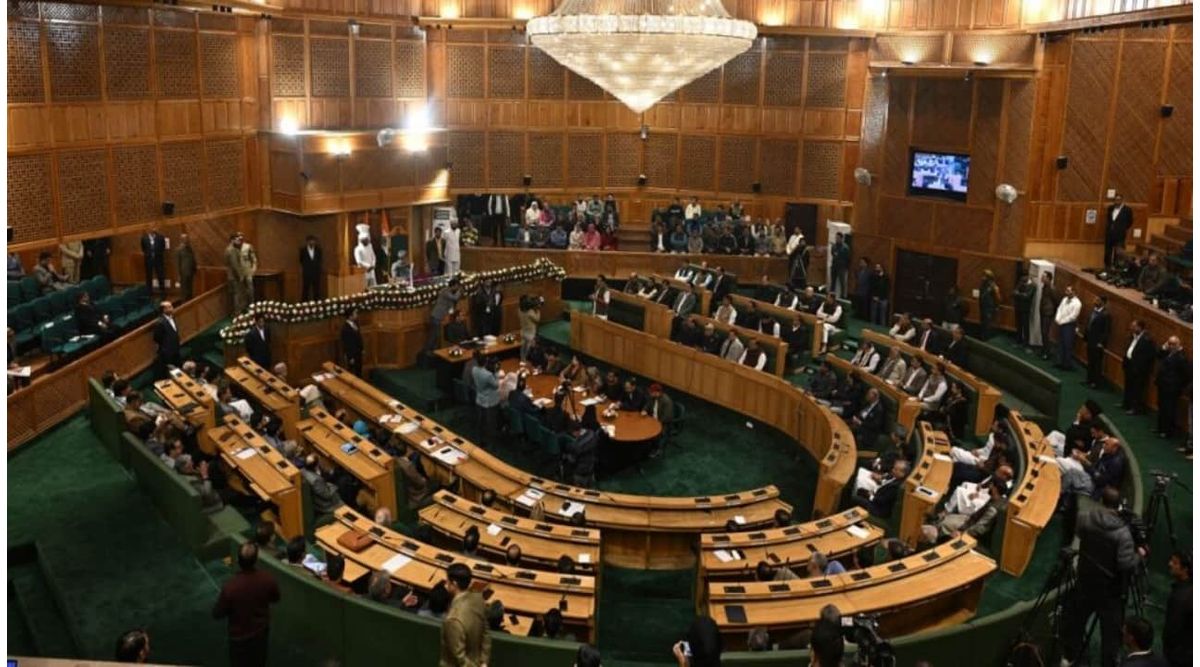
During the ongoing Budget session of the Assembly, members of the opposition, particularly from the Congress and CPI(M), raised serious concerns about the process behind this land allotment. CPI(M) legislator M Y Tarigami questioned how a non-Indian cricketer was granted such a significant parcel of land, suggesting that the allocation might have been made without proper scrutiny. Congress MLA G A Mir echoed these sentiments, labeling the matter as 'serious' and demanding a thorough investigation into the circumstances surrounding the allotment.
In response to these inquiries, Agriculture Minister Javed Ahmad Dar stated that the government had no available information regarding Muralitharan’s land deal, indicating that it was a matter for the revenue department. He assured the assembly that he would look into the facts to clarify the situation. The lack of clarity has only fueled speculation and concern among the legislators, who are questioning the transparency of land distribution in the region.
This incident raises broader questions about land allocation policies in Jammu and Kashmir, especially in light of recent initiatives to support landless families under the Prime Minister Awas Yojna (PMAY), which provides small plots for housing. While the state is prioritizing land for its citizens, the allocation of substantial land to a foreign national for industrial purposes appears inconsistent with the needs of local residents. This contradiction has not gone unnoticed, as many feel that the government should prioritize its own citizens before allotting land to outsiders.
Furthermore, the timing of this controversy is particularly sensitive as it coincides with ongoing discussions around economic development in the region. The government has been keen on attracting investments to boost the local economy, but it is essential that these investments come through transparent and fair processes that benefit the local population directly.
As this story unfolds, stakeholders from various sectors, including business, politics, and civil society, will be watching closely. The outcome of this inquiry could have significant implications for future investments in Jammu and Kashmir and the trust that local residents have in their government’s commitment to equitable development. For Muttiah Muralitharan, the outcome of this land allotment saga could also affect his business plans and reputation in India, a country where cricket is not just a sport but a cherished passion.