

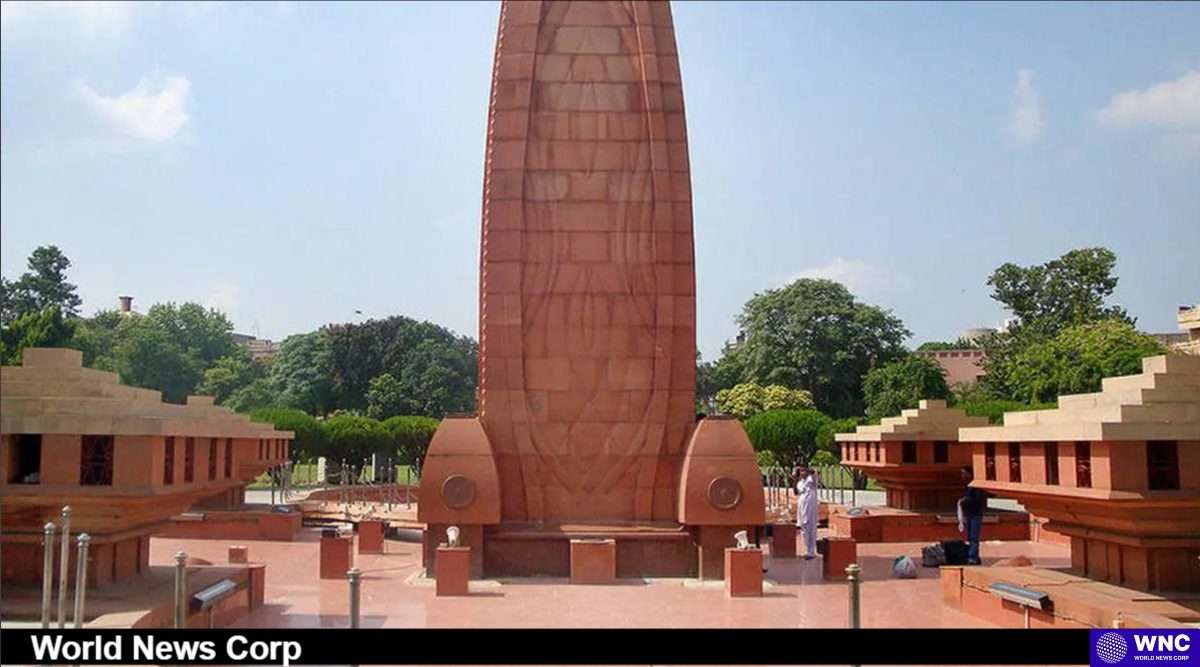
The Jallianwala Bagh massacre of April 13, 1919, remains one of the most poignant events in Indian history. This tragic incident, where British General Dyer ordered troops to fire on a peaceful gathering, resulted in hundreds of innocent lives lost. As we approach the 106th anniversary of this horrific event, it’s essential to explore how it has been memorialized and interpreted through cinema and the ongoing discussions surrounding the Jallianwala Bagh memorials.
“What is the historical significance of the Jallianwala Bagh massacre in India’s freedom struggle?”
The Jallianwala Bagh is not merely a historical site; it is a symbol of resistance against colonial oppression. The massacre was a turning point in India’s struggle for independence, awakening a collective consciousness that fueled the freedom movement. On that fateful day, thousands gathered to celebrate Baisakhi, oblivious to the impending doom. As the bullets rained down, paths of escape were sealed, leading to a tragic loss of life. This context is crucial for understanding why the site remains a focal point for remembrance and reflection in contemporary India.
Cinematic Representations of the Tragedy
Cinema has played a significant role in keeping the memory of Jallianwala Bagh alive. Films like Sardar Udham and The Legend of Bhagat Singh delve into the aftermath of the massacre and its impact on the Indian psyche. In Sardar Udham, for instance, we follow the life of Udham Singh, who dedicated his life to avenging the massacre. Such narratives bring the historical event into the mainstream consciousness, allowing newer generations to engage with the past in ways that textbooks might not.
Another notable film, Kesari: Chapter 2, focuses on the life of C. Sankaran Nair, a lawyer who fought for justice regarding the massacre. The depiction of these events in film not only commemorates the martyrs but also serves to educate audiences about the socio-political climate of that era. The emotional weight carried by these stories resonates with viewers, fostering a sense of empathy and reflection.
Controversies Surrounding Memorialization
While the original Jallianwala Bagh National Memorial has stood as a testament to the sacrifices made that day, the recent construction of the Jallianwala Bagh Centenary Memorial has sparked debate. Critics argue that it is unnecessary and dilutes the historical significance of the original site. The Centenary Memorial was intended to honor the unknown martyrs of the massacre. However, many believe that the existence of two memorials creates confusion and may even distort history.
Social activists and historians alike question the rationale behind the Centenary Memorial, suggesting that history should not be a contest. Why divide the memory of those who sacrificed their lives? The original memorial, despite its age, remains a site of pilgrimage for many, drawing visitors who seek to honor the martyrs and learn about the tragic events of the past.
The Importance of Memory in Contemporary Politics
The relevance of Jallianwala Bagh, both as a historical site and a cinematic motif, extends into modern political discourse. This site symbolizes the ongoing struggles against oppression and the importance of empathy in the face of injustice. The massacre’s legacy serves as a reminder of the cost of freedom and the necessity for remembrance as we navigate contemporary socio-political challenges.
Conclusion: A Call for Reflection
As we reflect on the Jallianwala Bagh massacre, it becomes evident that memory plays an essential role in shaping our collective identity. Whether through film, memorials, or public discourse, the stories of those who lost their lives must continue to be told. They remind us of the past’s lessons, urging us to confront present injustices and to advocate for a future rooted in empathy, solidarity, and remembrance. The ongoing conversation about the memorials and their significance is not just about history; it’s about who we are as a society today and how we choose to remember those who have come before us.