

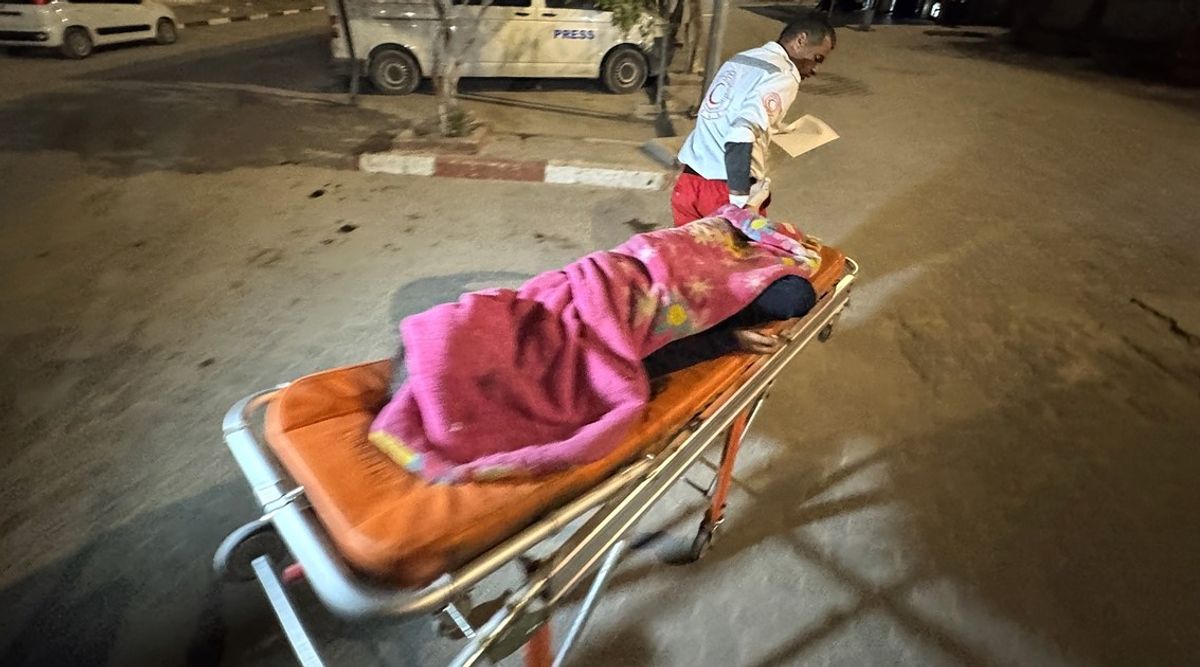
In recent weeks, tensions between Israel and Hamas have surged dramatically, leading to a new wave of violence and humanitarian crisis in Gaza. The Israeli military’s recent strikes have sparked widespread concern, not just within the region but globally. As I delve into the latest developments, it’s crucial to understand the implications of these events.
What events and geopolitical tensions served as the trigger for renewed hostilities?
The renewed conflict comes in the wake of failed negotiations to extend a ceasefire agreement. Reports indicate that Israeli Prime Minister Benjamin Netanyahu ordered extensive military strikes in Gaza after Hamas’s refusal to release hostages. The airstrikes, characterized as some of the most intense since the ceasefire began in January, reportedly resulted in hundreds of casualties, including many women and children. Humanitarian organizations have raised alarms regarding the humanitarian impact of these strikes, emphasizing the dire situation faced by civilians in Gaza.
Humanitarian Crisis: The Ground Reality
With the ongoing military action, the humanitarian situation in Gaza has deteriorated rapidly. The Palestinian health ministry reported that thousands have been killed since the onset of the new wave of violence. Many families, already vulnerable from previous conflicts, find themselves displaced yet again. The UN has highlighted that Gaza’s infrastructure, including hospitals and schools, has been severely compromised. This has led to shortages of food, water, and medical supplies, exacerbating the suffering of civilians caught in the crossfire.
Global Reactions and Diplomatic Efforts
In the international arena, reactions have varied. While some nations have condemned Israel’s actions, others have expressed support for its right to defend itself against Hamas. The United States has been particularly involved, with President Trump’s administration reportedly being consulted before the strikes commenced. The political landscape remains polarized, and calls for diplomatic solutions have intensified as the death toll rises.
What Lies Ahead?
As the situation evolves, the prospect of a lasting peace seems increasingly elusive. The Israeli Defense Forces have indicated that their operations will continue as long as necessary, raising fears of an extended conflict. Civilian voices from Gaza speak of a desperate need for peace, urging global leaders to prioritize dialogue over military action. The humanitarian crisis calls for immediate attention, and international bodies must step in to facilitate aid and mediation.
Conclusion: The Need for Urgent Action
The current conflict in Israel and Gaza underscores the complexities of regional politics and the humanitarian crises that arise from prolonged violence. As the world watches, it is imperative for leaders to engage in meaningful dialogue and work towards a sustainable solution that prioritizes the lives and rights of civilians. The tragic loss of life must serve as a catalyst for change, making peace a shared responsibility among all parties involved.