

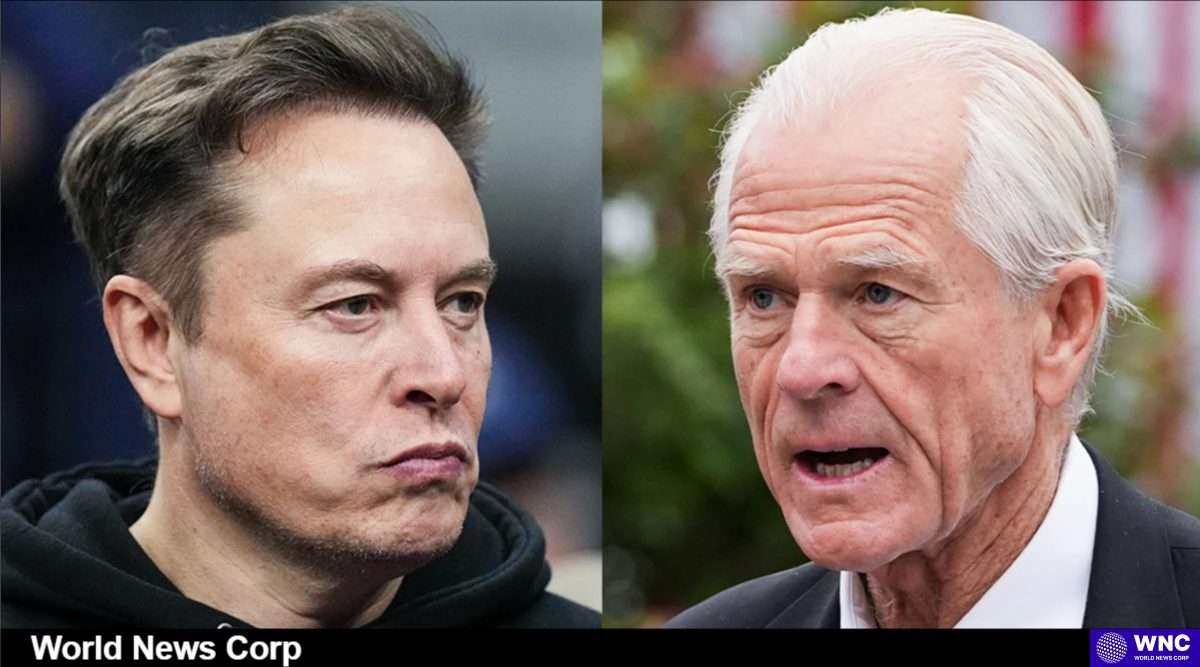
In a recent exchange that has captured the attention of many, Tesla CEO Elon Musk and White House trade adviser Peter Navarro have found themselves in a heated dispute over the nature of American manufacturing. Musk’s sharp retorts on social media aimed at Navarro’s comments regarding tariffs and Tesla’s manufacturing processes highlight a significant divide in opinions not just between these two prominent figures, but also within the broader context of U.S. economic policy.
What Do Tariffs Really Protect?
The controversy erupted following Navarro’s interview on CNBC, where he labeled Musk’s company as merely a ‘car assembler’ rather than a true manufacturer. Navarro emphasized his desire for American-made components, stating that products like tires should be sourced from Akron, transmissions from Indianapolis, and engines from Flint. This perspective underscores a larger narrative within the Trump administration that prioritizes domestic manufacturing over international sourcing. While I can appreciate the desire for ‘Made in America’ sentiments, it’s essential to recognize the complexities of modern global supply chains in the automotive industry.
Musk’s response to Navarro was swift and scathing. In a series of posts on X, he labeled Navarro as a ‘moron’ and defended Tesla’s position as the most vertically integrated auto manufacturer in the U.S. According to Musk, Tesla not only assembles cars but also sources a significant percentage of its components domestically. His assertion is supported by the American-Made Index, which has consistently ranked Tesla at the top since 2021.
The Impact of Tariffs on the Market
However, the reality of tariffs casts a long shadow over this debate. Musk has previously acknowledged the significant impact that tariffs can have on Tesla’s operations, suggesting that while his company may lead in American content, global trade policies still affect pricing and manufacturing strategies. This is particularly relevant as President Trump’s administration has imposed sweeping tariffs that have led to increased costs for American consumers and manufacturers alike. The tension between wanting to support American jobs and navigating the complexities of global trade is palpable.
Public Disputes
Interestingly, Navarro’s attempts to downplay the spat by claiming that ‘everything is fine’ with Musk reflect a broader strategy of managing public perception within the White House. The relationship between Musk and Trump has historically been one of mutual admiration, with Musk often seen as a key ally in the tech and automotive sectors. Yet, as trade policies evolve and the economic landscape shifts, the cracks in their alliance become more apparent.
In this context, Navarro’s comments may indicate a rift not only between him and Musk but also within the administration itself. This divergence could lead to more significant implications for the stock market and investors, as uncertainty around tariffs and manufacturing policies can influence market volatility. Investors should keep an eye on how these public exchanges play out, as they can directly impact stock prices and market sentiment.
Moving Forward: What Lies Ahead?
As we look to the future, it’s crucial for both Musk and Navarro to find common ground. The U.S. economy relies on innovation and manufacturing, and a collaborative approach could yield positive outcomes for both sides. Musk’s vision for a more interconnected global economy contrasts with Navarro’s push for strict adherence to American manufacturing. For investors and consumers alike, understanding these dynamics is key to navigating the complexities of the stock market.
In conclusion, while the spat between Musk and Navarro may seem like a simple Twitter feud, it encapsulates larger issues at play in the American economy. The intersection of trade policy, manufacturing, and innovation will undoubtedly continue to shape discussions in the coming months, and staying informed on these developments is essential for anyone looking to understand the future of American business.