

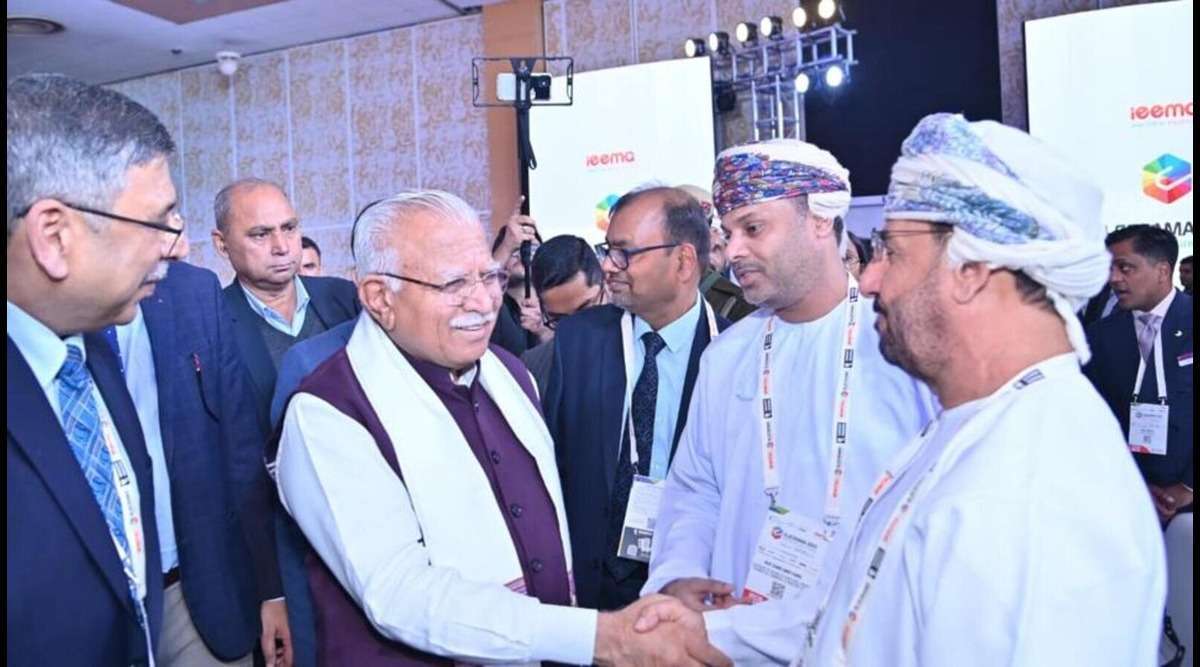
In recent years, India has emerged as a powerhouse in the global energy sector, with significant strides towards becoming the world’s third-largest economy by 2027. The Union Power Minister, Manohar Lal, reiterated this vision during the inauguration of ELECRAMA 2025, emphasizing the crucial role of the power sector in driving this transformation. With a commitment to energy security, grid modernization, and sustainability, the Indian government is laying down the groundwork for a robust energy framework. One of the key highlights of this event was the announcement of ambitious goals for renewable energy.
The Renewable Energy Revolution
India has already installed over 200 gigawatts (GW) of renewable energy capacity, with a target of reaching 500 GW by 2030. This rapid progress is not just a statistic; it represents a significant shift in how India meets its energy needs. The focus on clean energy is pivotal, considering the growing global demand for sustainable solutions. The emphasis on electric vehicles (EV) and initiatives like Vehicle-to-Grid (V2G) technology are critical components of this strategy. By 2030, the goal is to achieve 800 GW of total generation capacity, with half coming from renewable sources. This vision positions India as a leader in the global clean energy landscape.
ELECRAMA 2025: A Platform for Innovation
The ELECRAMA exhibition serves as a beacon for showcasing India’s power technologies and innovations. Organized by the Indian Electrical & Electronics Manufacturers’ Association (IEEMA), this event is not just about products; it’s a collaborative platform for global leaders to engage in meaningful discussions. With over 1,100 exhibitors and an expected attendance of more than 400,000 visitors, the event is a testament to India’s expanding influence in the global energy sector. Industry giants like Schneider Electric and Siemens have underscored the importance of India’s role in shaping the future of energy, citing the rapid expansion of AI and data centers driving demand for advanced energy solutions.
Real-World Impacts: Electrification and Accessibility
The impact of these initiatives is visible across the country. Union Minister Khattar reported a remarkable increase in average electricity supply in rural areas from 12.5 hours in 2014 to 22.6 hours in 2025. Urban areas have also seen significant improvements, reflecting the government’s commitment to 100% electrification of households. Initiatives like the Deen Dayal Upadhyay Gram Jyoti Yojana and PM Sahaj Bijli Har Ghar Yojana have played a crucial role in increasing accessibility to power. The data speaks volumes: non-fossil fuel capacity has surged from around 80 GW in 2014 to approximately 220 GW in 2025, marking an impressive increase of around 180%.
A Vision for 2047: Viksit Bharat
As we look towards 2047, the long-term vision of Viksit Bharat (Developed India) is becoming clearer. The government aims to not only meet current energy demands but also to set a standard for sustainability that others can follow. The focus on reducing Aggregate Technical and Commercial (AT&C) losses from 22.62% in 2014 to 15% in 2025 is indicative of a broader strategy to enhance efficiency in power distribution. With ambitious targets and a clear roadmap, India is on track to achieve its goals while becoming a net exporter of power.
Conclusion: The Road Ahead
The road ahead for India’s energy sector is laden with opportunities and challenges. The commitment to sustainability, coupled with innovative technologies, sets the stage for a transformative journey. As industry leaders gather at ELECRAMA 2025, it is evident that India is not just participating in the global energy discourse; it is leading it. The future looks bright for India as it strides confidently towards becoming a leading player in the clean energy revolution.