

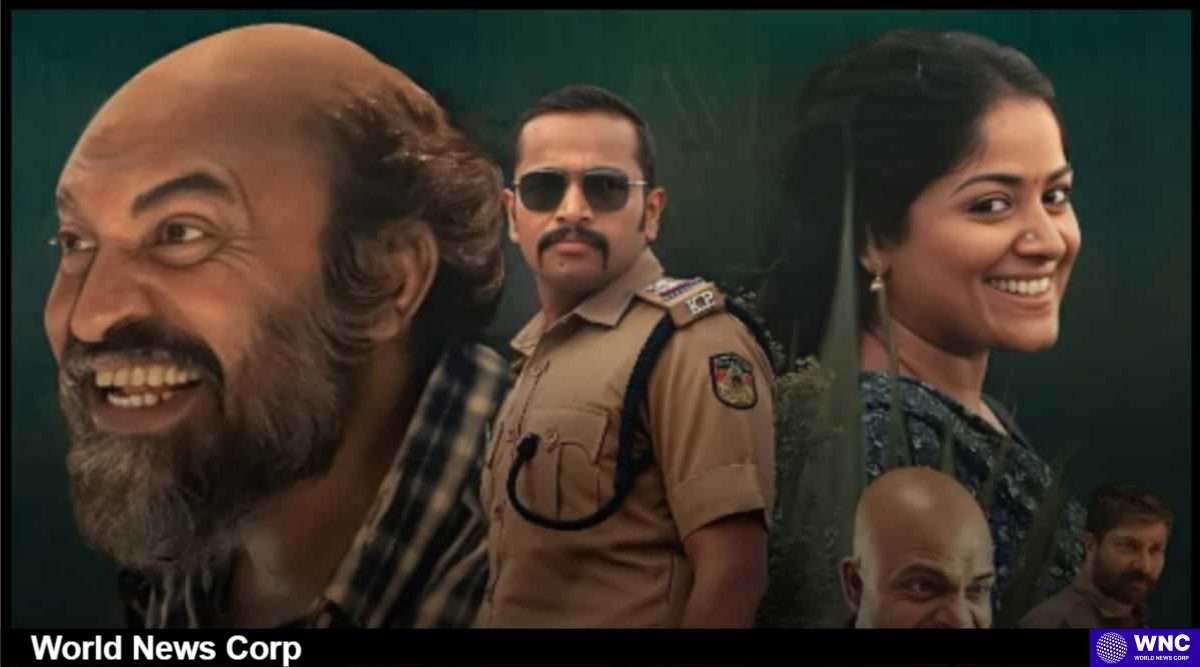
The Indian film industry, often referred to as Bollywood, has undergone a significant transformation over the past few decades. As a 30-year-old, I’ve seen firsthand how cinema has evolved from traditional storytelling to a more diverse representation of themes and characters. The rise of OTT platforms has been a game-changer, allowing filmmakers to break free from the constraints of censorship and explore more mature narratives.
How Does Censorship Shape the Future of Indian Cinema?
Censorship has long been a controversial topic in India. The Central Board of Film Certification (CBFC) has regulated content, often with a conservative lens. This has led to a myriad of films being cut, altered, or entirely banned. Interestingly, films that pushed boundaries, like “India: The Modi Question,” have faced backlash, leading to public outcry and debates about freedom of expression. For years, filmmakers like Anurag Kashyap and Dibakar Banerjee have challenged these norms, often facing repercussions for their bold stories.
The Rise of OTT Platforms
With the arrival of OTT platforms like Netflix, Amazon Prime, and Disney+ Hotstar, filmmakers have found new avenues to showcase their work. These platforms provide a space where unconventional stories can thrive without the fear of censorship. For instance, series like “Sacred Games” and “Paatal Lok” have gained immense popularity due to their gritty narratives and realistic portrayal of societal issues. This shift has not only changed how films are made but also how they are consumed.
A New Era of Content
The content that is being produced today reflects a significant change in societal views. Films that tackle issues like mental health, LGBTQ+ rights, and caste discrimination are gradually making their way into mainstream cinema. Movies such as “Badhaai Do” have successfully brought LGBTQ+ themes to the forefront, sparking discussions and acceptance among audiences. Moreover, as a consumer of content, I appreciate how these films resonate with real-life experiences, making the viewing experience more relatable and engaging.
Globalization of Indian Cinema
As Indian cinema reaches audiences worldwide, it is blending with global storytelling techniques. Collaborations with international talents have become more common, enriching the film landscape. For example, films like “The Lunchbox” and “Gully Boy” have found international acclaim, showcasing the rich culture and narratives of India on a global stage. This globalization has opened doors for Indian filmmakers to explore diverse genres, thus expanding the audience base.
Challenges Ahead
Despite the progress, the industry still faces challenges. The ongoing battle against piracy and the struggle for fair compensation for creators remain pressing issues. Furthermore, while OTT platforms have democratized film distribution, they have also led to an oversaturation of content, making it challenging for new filmmakers to stand out. As someone who loves cinema, I believe that supporting local talent and unique stories is essential in navigating this cluttered space.
Conclusion: A Bright Future for Indian Cinema
Looking ahead, the future of Indian cinema appears promising. With a more open-minded audience and progressive filmmakers pushing boundaries, we can anticipate a diverse range of stories that reflect the multifaceted nature of Indian society. As we navigate this evolution, it’s crucial for us as viewers to engage with and support the narratives that resonate with us, paving the way for a more inclusive film industry. Let’s embrace this golden age of Indian cinema, where every voice has the potential to be heard.