

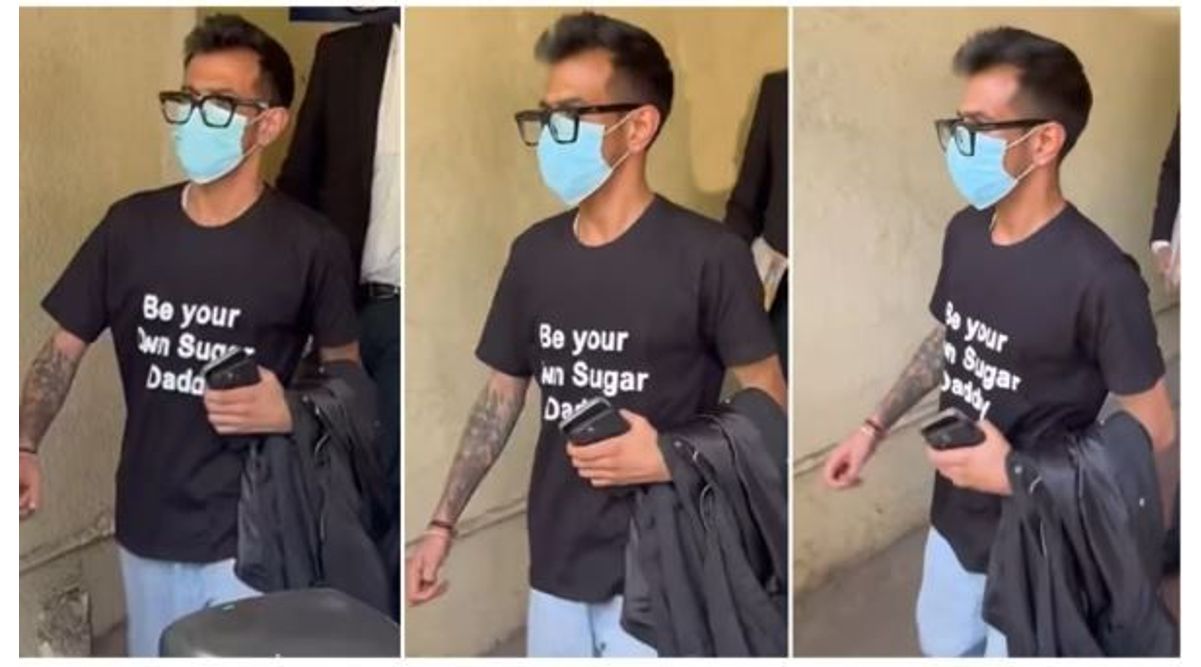
Have you ever come across the term 'sugar daddy'? It’s become quite a buzzword, especially among younger generations. In essence, a sugar daddy is typically an older man who provides financial support to a younger partner in exchange for companionship or more. But let’s dive into how this phrase translates into Hindi. In Hindi, one might say 'तुम्हारा शुगर डैडी बनना' (Tumhara Sugar Daddy banna), which essentially carries the same connotation.
Now, why has this term gained such popularity? Social media and dating apps have significantly altered the landscape of relationships today, often blurring the lines between traditional dating and transactional arrangements. As I’ve explored this topic, I’ve noticed that many people are curious about the implications of such relationships, especially in a culture that traditionally values different kinds of partnerships.
To many, the idea of having a sugar daddy might seem appealing for financial stability, but it raises numerous questions about power dynamics, emotional involvement, and societal perceptions. I remember chatting with a friend who mentioned how prevalent these arrangements have become, particularly on platforms like Instagram and TikTok, where lifestyle influencers often glamorize such relationships.
In Hindi-speaking communities, the concept can elicit mixed reactions, ranging from intrigue to disdain. It's fascinating to see how cultural interpretations can shape one's understanding of such terms. Ultimately, whether you view it as a simple financial arrangement or a more complex relationship, the phrase 'be your sugar daddy' certainly opens the door for deeper discussions about modern love and financial dependency.