

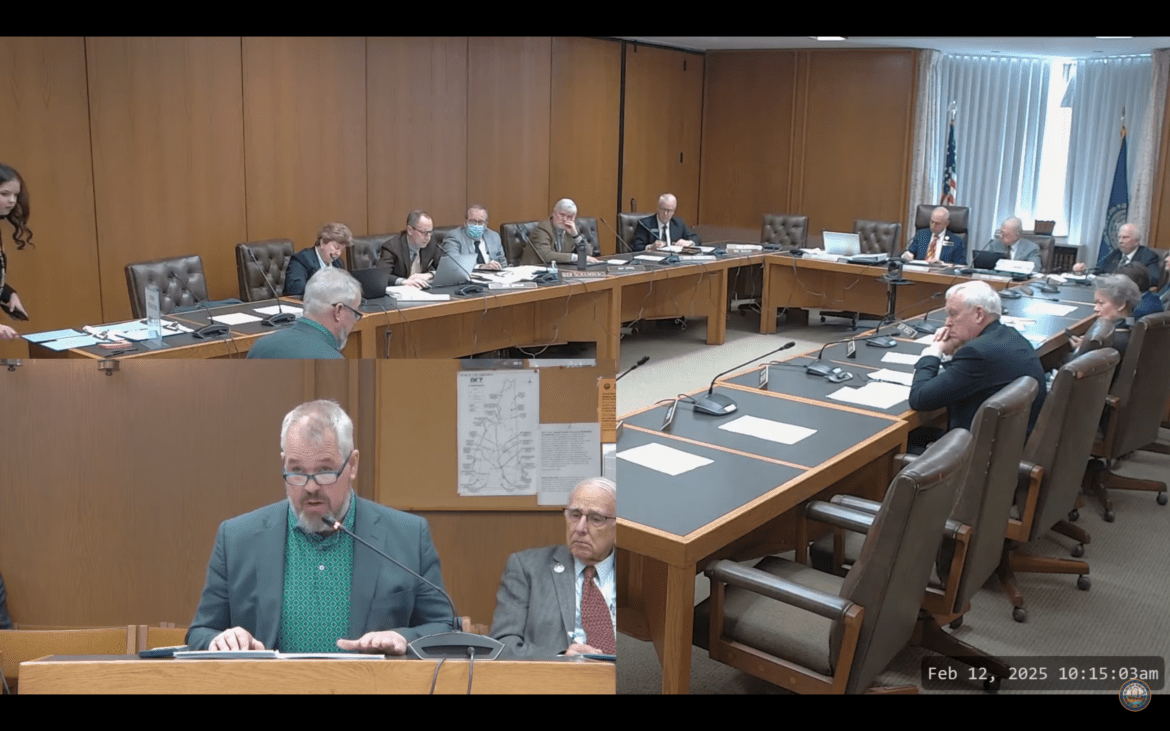
In the heart of Concord, New Hampshire, lawmakers are grappling with House Bill 483, a proposal that seeks to reform the structure of the Children’s Scholarship Fund — NH. This bill, if passed, would require the fund to incorporate within the state, a move aimed at enhancing transparency and accountability in how taxpayer dollars are utilized in educational programs. The debate surrounding this legislation highlights not only the complexities of educational funding but also the broader implications for students and families in New Hampshire.
Understanding House Bill 483
House Bill 483, spearheaded by Rep. David Luneau, proposes that the Children’s Scholarship Fund — NH, which administers two significant scholarship programs—the Education Tax Credit and the Education Freedom Account—must be incorporated in New Hampshire. Currently, the fund operates under a New York City nonprofit, which complicates the visibility of its financial operations. As Luneau pointed out, this lack of a separate IRS 990 filing for the state operation raises questions about how funds are allocated and spent. By requiring a New Hampshire incorporation, lawmakers would gain insight into whether state-fund scholarships are being directed solely towards New Hampshire students or if they are being funneled to other states.
Arguments For and Against the Bill 483
Proponents of the bill argue that increased transparency is vital for maintaining public trust in educational funding. They believe that by having the fund incorporated in New Hampshire, stakeholders can better track how funds are spent and hold the organization accountable. On the other hand, opponents, including former Rep. Packy Campbell, express concerns that this bill is a veiled attempt to undermine the scholarship programs. Campbell argues that the legislation could violate New Hampshire’s commerce clause by attempting to restrict an out-of-state organization’s ability to operate within the state, thus impacting the availability of educational resources for families seeking alternative funding for their children’s education.
The implications of House Bill 483 extend beyond mere financial accountability. If the bill passes, it could set a precedent for how educational funds are administered across New Hampshire and possibly influence similar legislation in other states. The discussions around this bill reflect a growing national conversation about the importance of transparency in educational funding. Many states are currently facing budgetary constraints, and ensuring that every dollar spent contributes to student success is more crucial than ever.
As we analyze the potential outcomes of House Bill 483, it’s important to consider other states that have taken similar actions. For instance, states like Florida and Arizona have successfully implemented measures to enhance transparency in their educational funding systems, resulting in increased public trust and engagement in educational initiatives. New Hampshire can learn from these examples as it navigates this legislative landscape.
Conclusion: A Call to Action for State Scholarship
As the House Ways and Means Committee continues to deliberate on House Bill 483, it is essential for constituents to engage in the discussion. Whether you support or oppose the bill, understanding the implications of educational funding is vital for ensuring that New Hampshire’s students receive the support they need. I encourage everyone to stay informed and involved, as the decisions made today will shape the educational landscape for generations to come.