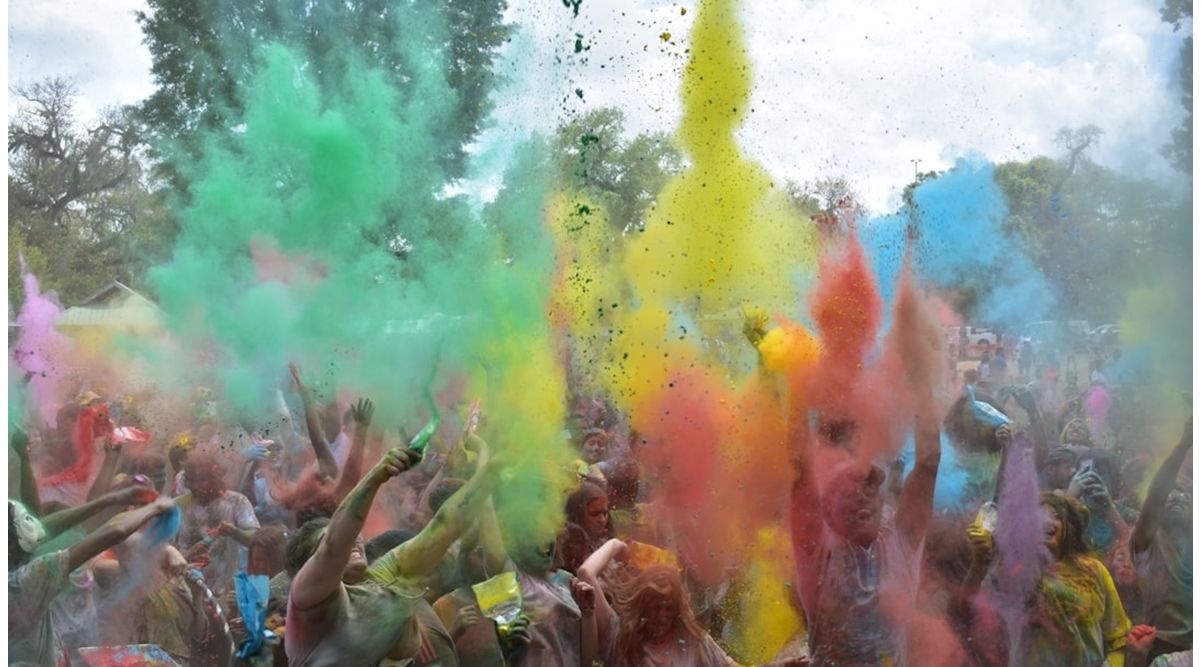
Holi, celebrated with vibrant colors and joy, is one of India’s most cherished festivals. However, a recent incident from a workplace in India has ignited a fierce debate about the right to celebrate cultural festivals in corporate environments. An employee’s Reddit post went viral after sharing a message from their manager, which denied leave for Holi and imposed strict rules on how employees could engage with the festival at work. This situation raises critical questions about workplace culture and employee rights in India.
What was the incident that sparked outrage, and how did public reaction, media coverage, and social impact unfold?
The unnamed employee took to the Indian Workplace subreddit, expressing frustration over the employer’s refusal to grant leave for Holi, a day of significant cultural importance. The company’s policy not only disallowed time off but also mandated that employees remain color-free while on the premises. The manager’s message included threats of disciplinary action for those who dared to break the rules, stating, “You will not be allowed to enter premises if you are colored yourself.” This rigid stance has been perceived by many as a reflection of toxic workplace culture.
Reactions: A Call for Change
Responses on social media were overwhelmingly negative. Many Reddit users likened the company’s policies to school rules rather than professional conduct. One user suggested that mass resignation could be a viable solution to such oppressive management practices. Others expressed anger over the lack of basic rights for workers, questioning how such policies would be received in more culturally progressive countries. It’s clear that many see this as part of a larger pattern of workplace exploitation in India, where employees often face pressure to prioritize work over cultural and personal freedoms.
The Broader Implications for Employee Rights
This incident is not an isolated case. In India, many employees face challenges when it comes to taking leave for cultural festivities. Companies often impose stringent leave policies that can result in salary deductions or other penalties for taking unapproved leave. The notion of a “sandwich salary deduction” policy further complicates matters, creating an environment ripe for discontent. As someone who has navigated the intricacies of workplace policies, I empathize with those who feel stifled during such important cultural celebrations.
Moving Forward: Embracing Cultural Sensitivity in Workplaces
So, what can be done to foster a more inclusive workplace culture? Organizations need to recognize the value of cultural celebrations like Holi, not just as a day off but as an opportunity to enhance team spirit and employee morale. Encouraging employees to engage in festivities can lead to increased job satisfaction and loyalty. Companies should consider implementing flexible leave policies that accommodate cultural and religious observances.
Conclusion: A Call for Reflection and Action
The incident surrounding Holi reflects a significant gap in understanding the importance of cultural celebrations within the workplace. As companies strive for productivity, it’s crucial they also prioritize employee well-being and cultural sensitivity. A more inclusive approach can lead to happier employees, which ultimately benefits the organization as a whole. The outcry on social media serves as a wake-up call for companies to reevaluate their policies and create an environment where employees can celebrate their cultural heritage without fear of repercussions.