

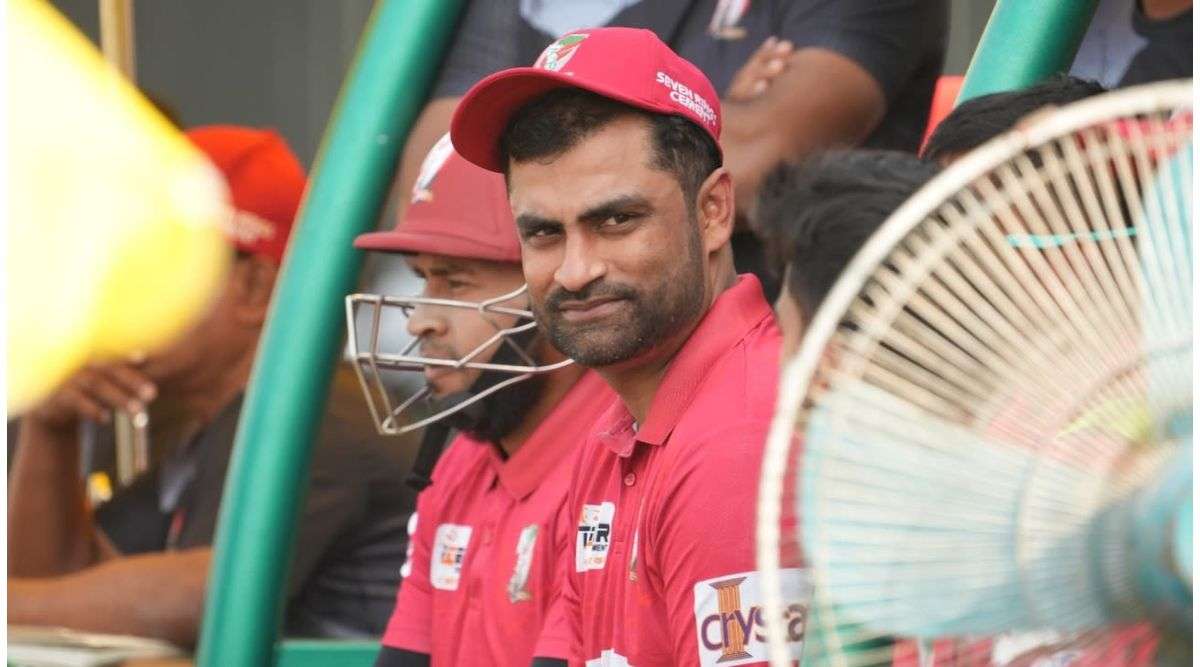
The world of sports is often a showcase of physical prowess and endurance, but it can also serve as a stark reminder of the fragility of human health. Recently, the cricket community was shaken by the news of Tamim Iqbal, the former captain of the Bangladesh national team, suffering a heart attack during a domestic league match. This incident, which took place while he was leading the Mohammedan Sporting Club in the Dhaka Premier Division, raises important questions about heart health in athletes and the precautions necessary for those at any level of physical competition.
What Led to Tamim Iqbal’s Health Scare?
Tamim Iqbal’s shocking health scare unfolded just after the toss in a match against Shinepukur Cricket Club at BKSP-3 ground. After participating in the pre-match activities, he began to experience severe chest pain. Medical staff responded quickly, providing initial treatment on-site. Unfortunately, as the situation escalated, it became necessary to transport him to a nearby hospital for further care. Initial reports indicated that his heart started to function better following treatment, but the incident serves as a crucial reminder of the potential health risks athletes face, regardless of their fitness levels.
The Importance of Monitoring Heart Health in Athletes
As athletes, we often push our bodies to the limits, believing that our physical fitness protects us from health issues. However, heart conditions can strike unexpectedly, even among those who appear to be in excellent shape. The Bangladesh Cricket Board (BCB) promptly canceled its scheduled meeting to show support for Tamim, underlining the close-knit nature of the sports community. With over 15,000 international runs and a legacy including centuries in all formats, Tamim’s incident highlights that even elite athletes are not immune to health emergencies.
Understanding the Risks and Consequences
Heart problems can manifest in many forms, from arrhythmias to coronary artery disease, and can be exacerbated by factors like high stress and intense physical activity. It’s essential for athletes to undergo regular health screenings, including ECGs and other cardiovascular assessments, to identify any underlying conditions. As a cricket player myself, I find it critical to prioritize heart health, ensuring that we are not just physically fit but also medically cleared to compete.
Lessons Learned: The Importance of Immediate Medical Attention
Tamim’s situation illustrates the importance of immediate medical intervention in sports. The quick response from medical staff, who were prepared to treat him on-site, likely played a crucial role in stabilizing his condition before transport. This incident serves as a wake-up call for sports organizations to ensure that medical teams are trained and equipped to handle emergencies. It also emphasizes the need for athletes to be aware of their bodies, recognizing the signs that something may be wrong.
Moving Forward: A Call for Awareness and Action
In the wake of this incident, it is imperative for both athletes and sports organizations to foster a culture of health awareness. From implementing regular health check-ups to educating players about the signs of heart issues, there is much that can be done to promote well-being in sports. Tamim Iqbal’s journey toward recovery will likely inspire discussions about athlete health and safety, urging everyone involved in sports to take preventative measures seriously. We should all take a moment to appreciate the dedication of athletes like Tamim, who inspire us on the field, and remember that their health is paramount.
As we await further updates on Tamim’s recovery, let’s collectively keep him in our thoughts and prayers. His incident is a reminder that regardless of our physical capabilities, our health should always come first. Together, we can advocate for better health practices in sports, ensuring that every athlete has the support they need to thrive.