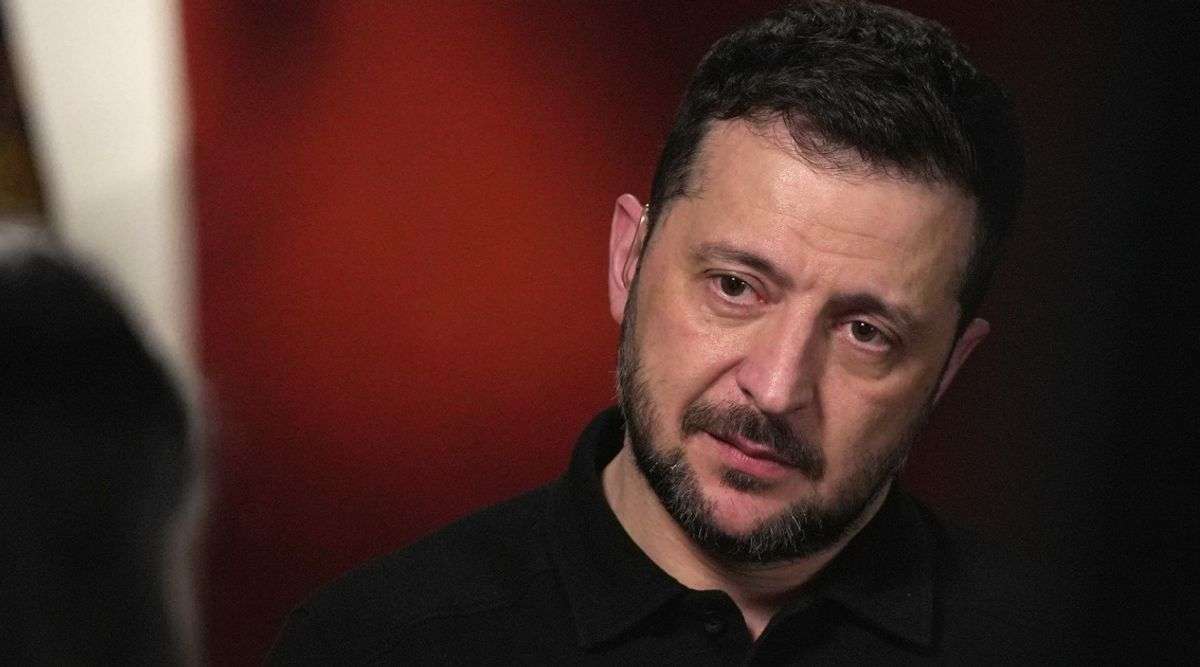
As the Ukraine-Russia war enters its third year, the need for U.S. military aid has been stressed by President Zelenskyy. Speaking at the Munich Security Conference, it was admitted by him that survival without U.S. support would be “very, difficult,” as advances continue to be made by Russian forces. Dependence on Western allies is maintained by Ukraine.
The Importance of Strategic Partnerships
Zelenskyy’s comments underscore a broader concern regarding the future of international partnerships. He mentioned that negotiating a ceasefire with Russia without the involvement of Ukraine could lead to a precarious situation where Ukraine is left vulnerable to further aggression. The Ukrainian President’s assertion that Vladimir Putin seeks merely a pause to regroup his military and lift sanctions raises alarm bells for Ukraine and its supporters. The notion that any peace talks could overlook Ukraine’s sovereignty is troubling, particularly in light of the sacrifices the nation has endured.
The Geopolitical Landscape
The geopolitical dynamics surrounding the Ukraine conflict are complex and fraught with tension. At the Munich summit, Vice President JD Vance’s comments drew criticism from European leaders, who felt that his remarks undermined the unity of Western allies in support of Ukraine. The division grows as some political figures in the U.S. appear to prioritize engagement with Russia over the needs of Ukraine. This shift in tone has left many in Europe feeling uneasy and questioning the commitment of the United States to its allies.
The Human Cost of Conflict
The human toll of the ongoing war is staggering. NATO estimates suggest that up to one million people may have lost their lives since the start of the invasion, with the conflict leading to the bloodiest confrontations in Europe since World War II. The impact on civilians and soldiers alike is devastating, with reports of approximately 10,000 casualties weekly in eastern Ukraine. As the war drags on, these figures serve as a grim reminder of the urgency for continued support and intervention from the international community.
Future Considerations for the U.S.
What does the future hold for U.S. involvement in Ukraine? President Zelenskyy remains hopeful yet cautious. His recent statements indicate a desire for strategic partnership rather than mere transactional relationships. As he stated, if the U.S. chooses to stand with Ukraine, it could exert significant pressure on Russia to cease hostilities. However, this requires a unified approach and a willingness to engage in meaningful dialogue that includes Ukraine’s voice in the decision-making process.
Conclusion: Standing Together
Ultimately, the fate of Ukraine does not rest solely on its shoulders. The country’s survival against Russian aggression is deeply interlinked with the support it receives from allies, particularly the United States. As the situation evolves, it is vital for both policymakers and the public to remain informed and engaged. The war in Ukraine is more than just a regional conflict; it is a test of democratic values and international solidarity in the face of tyranny. We must consider the implications of a world where aggressors go unchecked and where allies falter in their commitments. For Ukraine, the road ahead may be fraught with challenges, but with continued support, there remains a glimmer of hope for a peaceful resolution.