
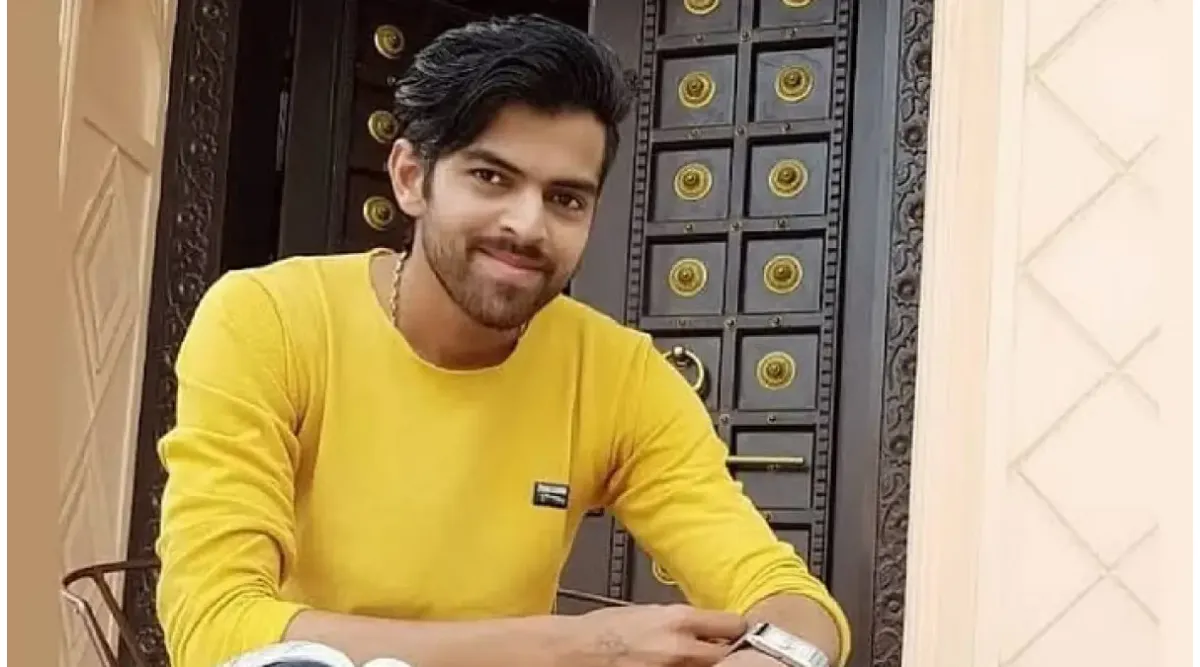
In recent weeks, the Haryana government has taken a significant step towards curbing the promotion of gun culture within its music industry. This action has sparked a heated debate, particularly with the controversial removal of several songs from popular singer Masoom Sharma. His tracks, including 'Tuition Badmaashi Ka,' '60 Mukadme,' and 'Khatoala,' have faced bans on YouTube due to allegations of promoting violence and criminality.
Masoom Sharma, known for his catchy beats and relatable lyrics, expressed his frustration during a live session on social media, highlighting the perceived bias against him. According to Sharma, while he understands the government's intention to eliminate harmful content, he believes that the measures should be applied uniformly across all artists. "If the government is serious about banning such songs, then it should also consider the numerous Punjabi tracks that depict similar themes," he stated passionately.
The implications of these bans are far-reaching. With millions of views and a dedicated fan base, Sharma’s songs have contributed significantly to the Haryana music scene. He argues that targeting specific artists could lead to the collapse of the growing Haryanvi music industry, which has worked hard to establish its identity alongside the more dominant Punjabi scene. The concern is not just for artists like Sharma but for the hundreds of people whose livelihoods depend on this industry, from camera crews to stage managers.
Interestingly, Sharma isn’t alone in this fight. Other artists, including Narendra Bhagana, have also voiced their concerns, emphasizing the need for a fair approach. They argue that the government’s actions should be transparent and should not single out specific individuals. This sentiment resonates with many fans who feel that the government is overstepping its boundaries.
Moreover, Sharma pointed out a troubling trend within the industry. While his songs have been flagged for promoting bad behavior, he criticized the presence of other tracks that are blatantly disrespectful towards women. His call for equality in enforcement is a crucial part of the discussion, raising questions about accountability and representation within the music industry.
As the conversation continues, it is essential to examine the broader cultural implications of these bans. The underlying issue is not merely about a few songs but reflects a significant cultural dialogue about the values that music promotes. Should art be censored, or should it reflect the realities of society? The government’s challenge will be to balance the desire for cultural integrity with the artistic freedom that allows for diverse expressions.
In conclusion, the recent actions taken by the Haryana government signify a pivotal moment for the state’s music industry. The outcome of this struggle will determine not only the fate of individual artists like Masoom Sharma but also the direction of the entire Haryanvi cultural landscape. As artists rally together, the future holds potential for either a more equitable industry or a landscape where creativity is stifled under the weight of censorship.