
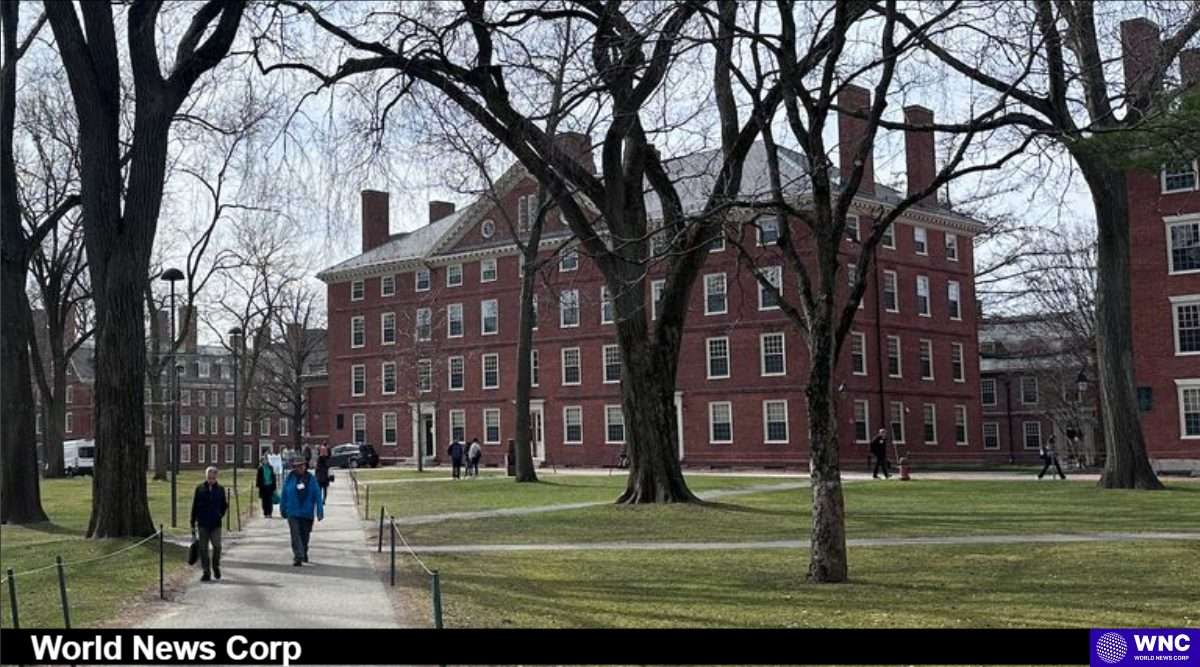
In a dramatic clash between academia and government, Harvard University has taken a bold stance against the Trump administration’s sweeping demands aimed at controlling its campus environment. At the heart of this conflict lies the federal government’s threat to freeze over $2.2 billion in funds due to Harvard’s refusal to comply with regulations that many see as an infringement on academic freedom and First Amendment rights. The administration’s demands, which purportedly aim to combat antisemitism, have raised serious questions about free speech and the independence of higher education institutions.
What are the demands for CBDC implementation?
The Trump administration’s list of demands was extensive and controversial. It included measures such as reporting students deemed “hostile” to American values, ensuring viewpoint diversity in hiring and admissions, and even conducting audits of university programs that the government claims fuel antisemitic harassment. These proposals, as Harvard President Alan Garber articulated, threaten to transform the university’s operations and compromise its independence. The administration’s insistence that universities impose restrictions on diversity, equity, and inclusion (DEI) programs has sparked significant backlash.
Harvard’s Response: A Stand for Independence
Harvard’s rejection of these demands echoes a broader sentiment within the academic community about the importance of safeguarding intellectual freedom. In a pointed letter, President Garber emphasized that the university would not surrender its autonomy or rights under the First Amendment. He argued that the majority of the government’s requests represent an unwarranted intrusion into the university’s governance, which should remain free from political coercion. This defiance is particularly significant considering Harvard’s status as one of the wealthiest universities in the world, boasting a $53 billion endowment that provides it with a unique position to resist governmental pressure.
The Implications of Compliance
Should Harvard capitulate to the government’s demands, the implications would extend far beyond its hallowed halls. Such compliance could set a dangerous precedent for other institutions of higher learning, potentially leading to a cascade of similar restrictions across the educational landscape. Critics argue that the demands are not genuinely aimed at combating antisemitism but rather at imposing a political agenda that seeks to stifle dissenting views and control the narrative within academic discourse. The chilling effect of such actions could undermine the very foundation of higher education, which thrives on diversity of thought and open debate.
Community Reaction and Support
The response from the Harvard community has been overwhelmingly supportive of the university’s position. Protests have erupted on campus, with students, faculty, and alumni uniting to voice their opposition to what they perceive as governmental overreach. Notably, former President Barack Obama publicly backed Harvard, commending it for defending academic freedom against “unlawful” attempts to curb intellectual inquiry. Such high-profile endorsements highlight the significance of this struggle as a pivotal moment in the ongoing debate about the role of government in education.
Looking Ahead: A Crucial Moment for Higher Education
As the situation continues to unfold, the stakes remain high. The Trump administration’s decision to freeze federal funding has not only put financial pressure on Harvard but has also ignited a nationwide conversation about the autonomy of educational institutions. This conflict serves as a crucial reminder of the balance that must be struck between governmental interests and the freedoms that underpin our society. Harvard’s fight for its rights could inspire other universities to stand firm against similar pressures, fostering an environment where academic freedom is not merely an ideal but a protected reality.
In conclusion, Harvard’s defiance against the Trump administration’s demands represents more than just a battle over funding; it is a critical moment in the ongoing struggle for academic freedom and the integrity of higher education. The outcome of this confrontation will undoubtedly shape the landscape of academia for years to come, making it essential for all stakeholders—students, educators, and policymakers—to pay close attention to the unfolding developments.