

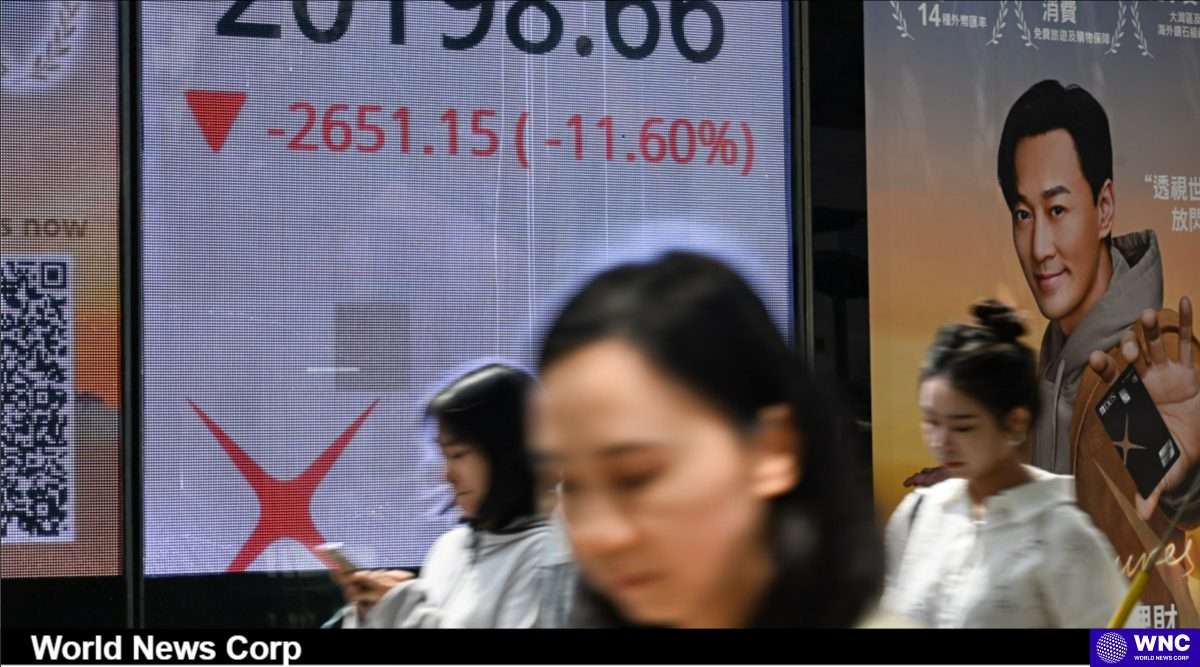
As the global financial landscape faces unprecedented turmoil, fueled by escalating trade tensions and market instability, both individuals and small businesses are left grappling with the impact on their finances. With the Hang Seng Index dropping 13.22% in a single day, a stark reminder of the volatility that can affect markets worldwide has emerged. This downturn is a wake-up call for many to reassess their financial strategies and ensure that they are equipped to weather the storm.
How does the current financial climate affect businesses and consumers?
The recent sell-off in Asian markets serves as a critical indicator of the interconnectedness of global economies. The declines, particularly in Hong Kong, were influenced by geopolitical events, such as U.S. President Donald Trump’s tariffs, which have sent ripples through financial markets. As investors react to these developments, it becomes essential for individuals and businesses to understand how these fluctuations can impact their financial health.
For instance, small businesses relying heavily on imports may see increased costs due to tariffs, which could lead to higher prices for consumers. On the other hand, savvy investors might find opportunities in the stock market’s downturn by purchasing undervalued assets.
Personal Finance Strategies During Market Declines
- Reassess Your Budget: In times of financial uncertainty, reviewing your budget is crucial. Determine essential expenses and identify areas where you can cut back. This may involve minimizing discretionary spending or finding more cost-effective alternatives for necessary purchases.
- Build an Emergency Fund: If you haven’t already, now is the time to prioritize building an emergency fund. Aim for at least three to six months’ worth of living expenses. This fund can provide a safety net in the event of unexpected job loss or other financial emergencies.
- Stay Informed About Credit Options: With the potential for economic downturns, understanding credit options becomes vital. Whether you’re considering personal loans or credit cards, evaluate the terms carefully. Look for options that offer low interest rates and favorable repayment terms, especially if you anticipate needing financing in the near future.
Small Business Financial Strategies
For small businesses, the current market conditions necessitate a strategic approach to finance. Here are some insights:
- Diversify Revenue Streams: Relying too heavily on a single revenue source can be risky. Consider diversifying your offerings or exploring new markets to mitigate the impact of economic fluctuations. For example, a restaurant could introduce a delivery service or catering to reach new customers.
- Cut Unnecessary Costs: Conduct a thorough review of your expenses. Identify non-essential costs that can be trimmed or eliminated. Negotiating with suppliers for better rates or exploring alternative vendors can also help in reducing operational costs.
- Leverage Technology for Efficiency: Investing in technology can streamline operations and reduce costs in the long run. Tools for accounting, inventory management, and customer relationship management can enhance efficiency and contribute to better financial health.
Preparing for a Recovery
While the current market conditions are challenging, it is essential to remain optimistic and prepared for a potential recovery. Historically, markets have rebounded after downturns, and those who prepare now can position themselves for future growth. Keeping an eye on economic indicators and adjusting your financial strategies accordingly will be key.
In conclusion, while navigating financial turmoil can be daunting, taking proactive steps can help individuals and small businesses safeguard their financial well-being. By reassessing budgets, exploring credit options, and implementing strategic measures, it is possible to weather the storm and emerge stronger on the other side.