

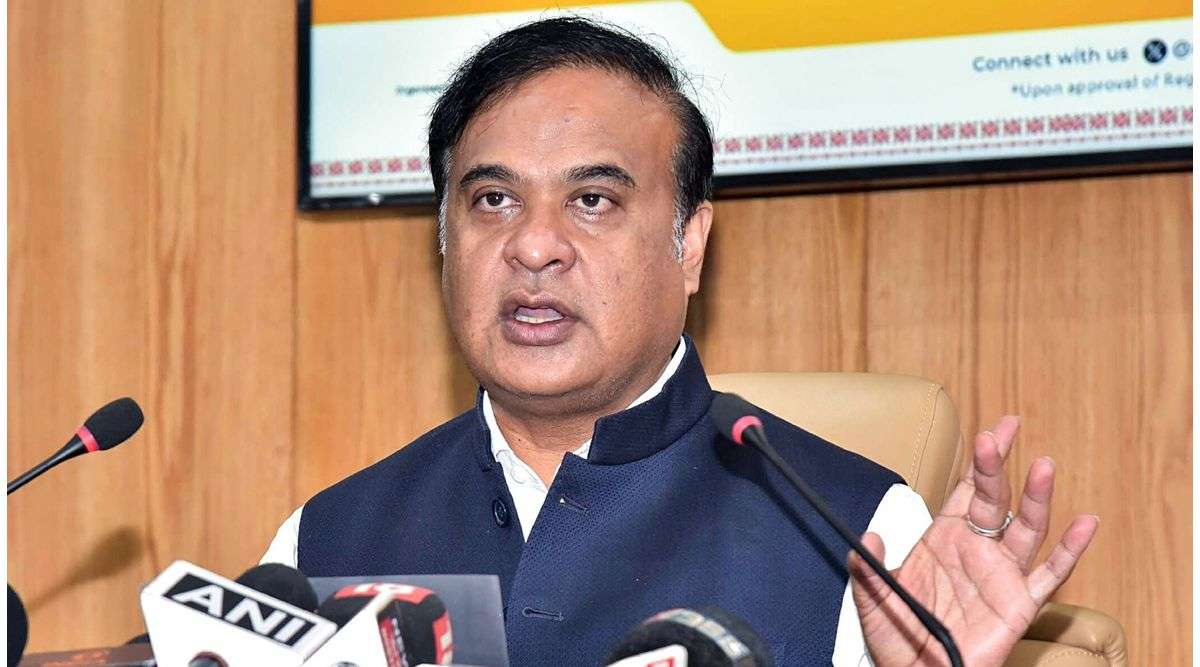
The education landscape in Assam has been undergoing significant changes, and one of the key initiatives leading this transformation is Gunotsav. Launched in 2017, this program aims to enhance the quality of education in the state by evaluating the performance of schools and students. The recent announcement by Assam Chief Minister Himanta Biswa Sarma regarding the Gunotsav 2025 results has sparked a wave of interest among educators and parents alike.
What is Gunotsav, and how does it aim to improve the quality of education through student assessment, school evaluation, and community participation in India?
Gunotsav is a state government initiative that focuses on improving the school education system across Assam. It involves a comprehensive evaluation of students from classes 1 to 9 in government and provincialised schools, tea garden management schools, and other institutions. The evaluation is based on a range of criteria, including learning outcomes, co-scholastic activities, community participation, and the overall infrastructure of the schools. This year, a staggering 17,585 external evaluators assessed nearly 3.9 million students in over 44,000 schools. Such thorough evaluations are crucial in identifying gaps in learning and implementing necessary remedial measures.
Key Features of Gunotsav
The evaluation process under Gunotsav is meticulously designed to cover multiple aspects of student performance. Scholastic achievements hold the most weight, comprising 90% of the overall grading. Co-scholastic areas and community participation contribute 5% each. Notably, the physical infrastructure of schools does not factor into the grading system, allowing a more focused assessment on educational outcomes. Schools are graded from A+ to D based on their performance, with A+ schools receiving recognition and rewards.
Rewards and Recognition
This year, the Assam government is set to award tablets to 4,320 students and provide monetary incentives of ₹25,000 to 11,594 schools that received an A+ grade. This approach not only motivates schools to perform better but also encourages students to strive for excellence. The initiative has created a massive awareness among parents, teachers, and local communities about the quality of education, fostering a cooperative environment for improvement.
Creating a Community of Learning
Gunotsav goes beyond simple evaluation; it also aims to create a supportive network among schools. For instance, schools achieving higher grades can partner with those facing challenges to share best practices and resources. This twinning approach has proven effective in promoting a collaborative learning atmosphere, where successful schools guide others in enhancing their educational outcomes. Additionally, the initiative has led to infrastructural developments based on the results, ensuring that schools have the necessary resources to thrive.
The Impact of Gunotsav
Reflecting on the impact of Gunotsav, Ranoj Pegu, the state’s Education Minister, noted that the initiative has significantly contributed to identifying individual learning gaps among students. This targeted approach allows for tailored remedial teaching strategies, especially for those in C and D graded schools. Since its inception, Gunotsav has prompted improvements in the school education system, with the first event in 2017 involving 48,468 schools and 6,037 achieving A+ grades. The results underline the initiative’s potential to foster a culture of excellence in education across Assam.
In conclusion, Gunotsav represents a pivotal shift in Assam’s educational framework, focusing on accountability and quality improvement. As the results for 2025 are unveiled, it is essential for all stakeholders—from government officials to parents—to remain engaged in this transformative journey, ensuring that every child receives a quality education. The initiative not only prepares students for academic success but also empowers communities to take an active role in shaping the future of education in Assam.