
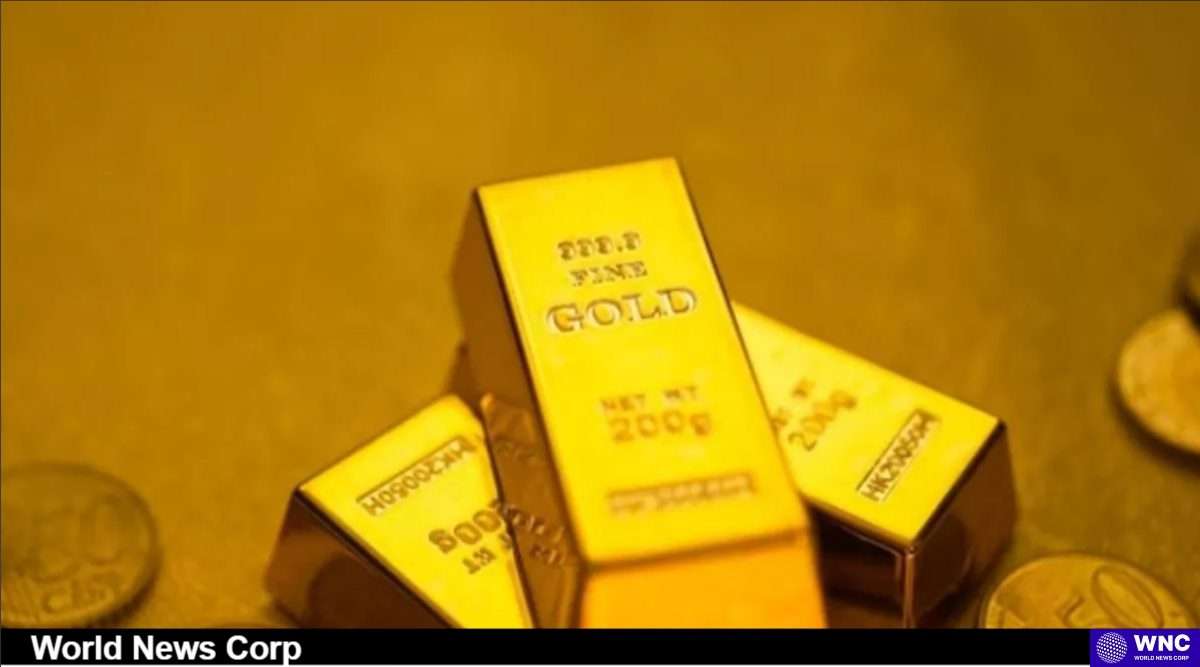
In recent days, the fluctuations in gold and silver prices have caught the attention of investors, analysts, and everyday consumers alike. With silver prices hitting ₹88,000 per kilogram and gold prices dropping by ₹2,000 to reach ₹91,500 in the spot market and ₹88,150 per 10 grams on the MCX, it’s crucial to understand the underlying factors driving these changes. Global events, particularly the imposition of tariffs by the United States and the ongoing Russia-Ukraine conflict, play significant roles in shaping market dynamics.
In what ways do tariffs influence the pricing and demand of precious metals like gold and silver?
The recent announcement of tariffs by the United States on various countries has sent ripples through the global market. Investors often turn to precious metals like gold and silver as safe havens during uncertain times. However, when tariffs are introduced, it can lead to increased costs for consumers and businesses. This, in turn, affects demand for these metals, leading to price fluctuations. For instance, over a span of just two days, silver prices fell by ₹12,000, influenced by the new tariffs and escalating geopolitical tensions.
The Role of Geopolitical Tensions
The Russia-Ukraine war has added another layer of uncertainty to the global economy. Conflicts and wars generally create volatility in the markets. Investors typically react to such news by seeking stability through precious metals. However, the economic sanctions and trade restrictions resulting from these conflicts can ultimately lead to price drops, as we’ve seen recently. As Brijmohan Raipuria, President of the Agra Sarafa Manufacturers Association, points out, the market is highly sensitive to these developments, and any news can lead to drastic changes in prices.
The Ripple Effect of Stock Market Declines
It’s essential to recognize how the stock market’s performance influences the prices of gold and silver. A declining stock market often leads investors to move their assets into gold and silver, anticipating a safer return. Conversely, when the stock market is bullish, there might be less demand for precious metals, causing prices to drop. This interconnectedness means that events in one market can have significant repercussions in another. As we saw recently, the combination of tariffs and geopolitical instability resulted in a significant impact on both the stock and precious metals markets.
What This Means for Investors
For those looking to invest in gold and silver, understanding these market dynamics is crucial. It’s not just about the current price; it’s about the broader economic environment. Investors should stay informed about global events and trends that could impact precious metal prices. Additionally, diversifying one’s investment portfolio can help mitigate risks associated with market volatility.
Conclusion
In conclusion, the recent fluctuations in gold and silver prices are a vivid reminder of how interconnected our global economy is. With tariffs and geopolitical tensions causing market unrest, it’s vital for investors and consumers to remain vigilant. Staying informed and adaptable is key to navigating these unpredictable waters. As we continue to monitor these developments, one thing is clear: the market for precious metals will remain influenced by global events for the foreseeable future.