
In recent weeks, the United States has seen a whirlwind of economic activity driven by President Trump’s new tariff policies. These tariffs have not only altered the landscape of international trade but have also sent shockwaves through global stock markets. As I delve into the implications of these tariffs, it becomes clear that we’re witnessing a pivotal moment in economic history.
What are the immediate economic and political consequences of new tariffs?
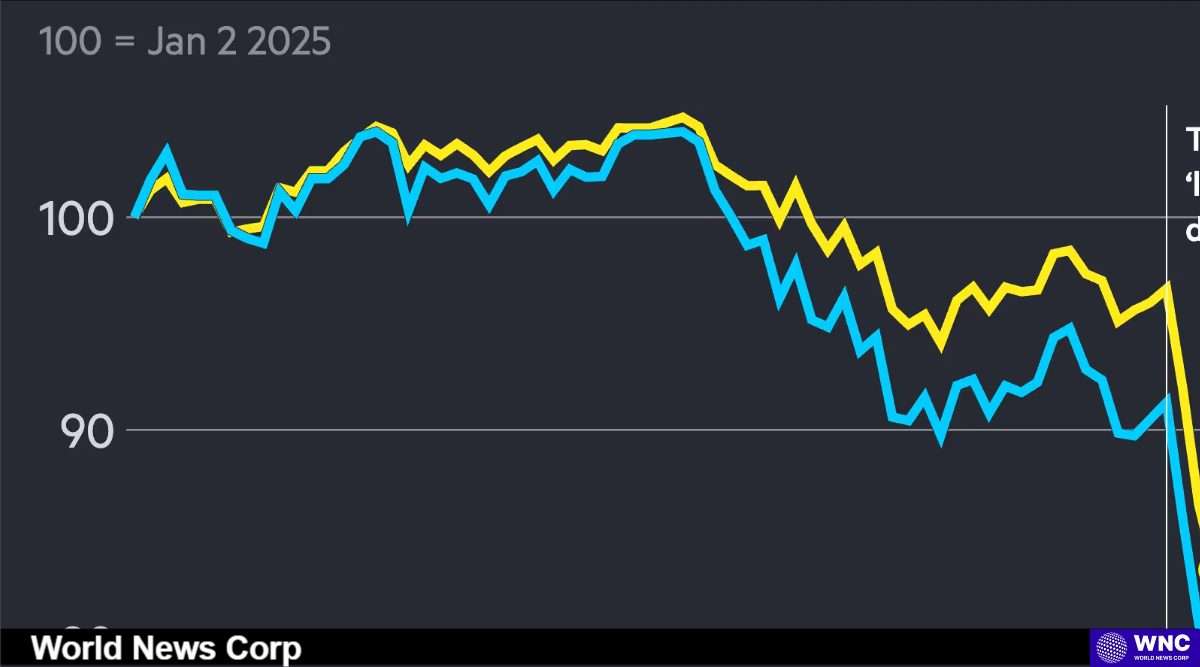
When Trump announced the imposition of new tariffs, it was framed as a necessary response to a national emergency posed by a significant trade deficit. This statement resonated across financial circles, leading to immediate reactions in stock markets worldwide. For instance, the FTSE 100 and Germany’s DAX both experienced sharp declines, with losses intensifying as investors grappled with the uncertainty of trade relations. Interestingly, the U.S. stock market had a tumultuous day, with the Dow initially plunging nearly 900 points before regaining some ground. This volatility reflects the anxiety of investors who are unsure about the long-term implications of these tariffs.
Tariffs: A Double-Edged Sword
Trump’s tariffs might be seen as a tool for negotiation, as he claims they encourage countries to come to the table for fairer trade deals. Yet, the reality is more complex. Business leaders, including renowned investors like Ken Fisher and Jamie Dimon, have voiced their concerns, labeling the tariffs as “stupid” and “misguided.” The tension between protecting American interests and fostering healthy international relationships raises questions about the efficacy of such policies. For example, while some companies like Nvidia have seen gains, tech giants like Apple and Tesla have suffered significant losses.
The Ripple Effect on Global Trade
The repercussions of these tariffs extend beyond U.S. borders. Countries reliant on exporting goods to the U.S. are feeling the pinch, particularly in sectors like steel and technology. As tariffs increase costs, American exporters face steep challenges, notably a staggering 34% tariff on exports to China. This is not just a U.S. issue; it’s a global one with potential ramifications for economies worldwide. The fear of a trade war looms large, compelling businesses to reassess their strategies and investment plans.
A Broader Economic Perspective
From an economic standpoint, the trade deficit itself is often mischaracterized as a failure. In reality, a trade deficit can indicate a strong demand for a country’s financial assets, as the U.S. dollar continues to be a favored currency globally. The persistent deficit reflects America’s economic strength rather than weakness. As an economist, I find it essential to clarify that the consequences of tariffs may not lead to the intended outcomes. Instead, they could undermine the very foundations of the American economy by scaring off foreign investors and destabilizing the dollar’s global standing.
The Path Forward: Finding Balance
Looking ahead, the challenge for the U.S. government will be to strike a balance between protecting domestic industries and maintaining healthy trade relationships. Tariffs may provide short-term solutions, but if they continue unchecked, they could lead to long-term damage. The proposed tax credit for U.S. companies impacted by retaliatory tariffs is a step in the right direction, acknowledging the burdens that these policies impose. However, true economic resilience will require innovative solutions that foster collaboration instead of conflict.
In conclusion, while tariffs are intended to reshape the trade landscape, the reality is often more complicated. As markets continue to react to policy changes, the importance of informed discourse around trade practices becomes clear. The outcome of this economic saga will undoubtedly influence not just the U.S. but the global economy for years to come.