

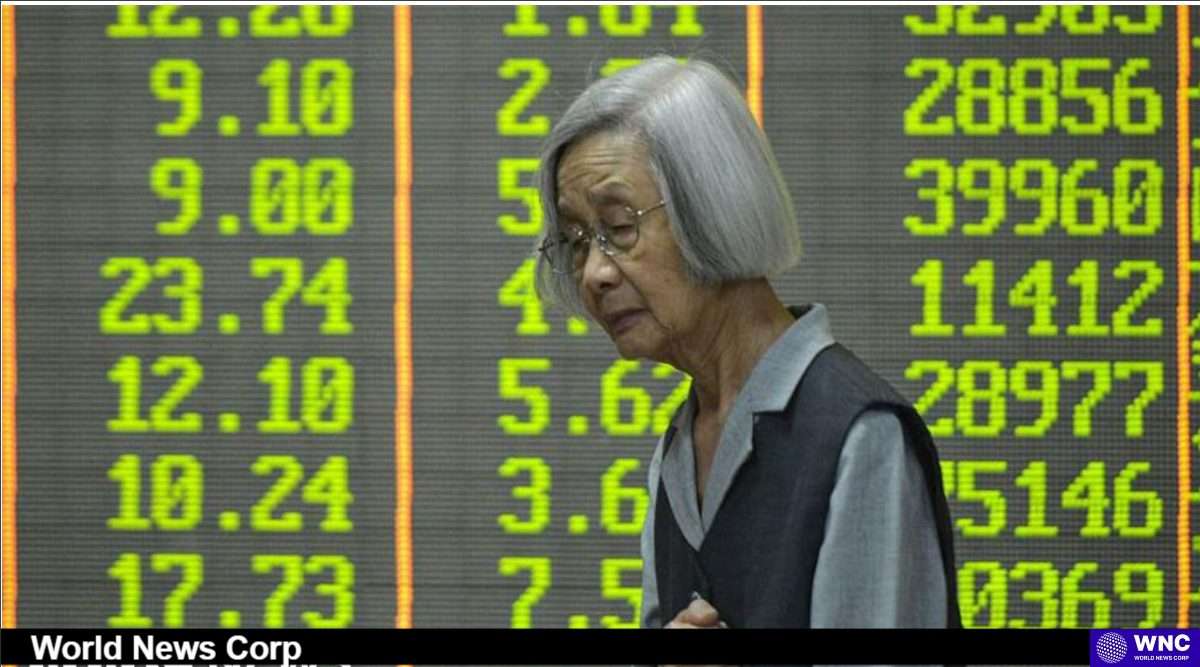
As global markets grapple with increasing volatility, the FTSE 100 and S&P 500 indices have become focal points for investors and analysts alike. Recent economic shifts have raised concerns of a potential recession, leading to sharp declines in these key stock market indicators. In this article, we’ll explore the current state of the FTSE 100 and S&P 500, how they are interconnected, and what investors can do to navigate these uncertain waters.
What recent events have impacted the FTSE 100 and S&P 500, and how are the markets reacting?
In recent weeks, the FTSE 100 has seen substantial fluctuations, influenced by a mix of domestic issues and international pressures. As of today, the index has experienced a notable drop, reflecting broader market trends that are also evident in the S&P 500. This American index has faced its own challenges, marking a significant decline that has many wondering whether we are on the brink of a bear market. The fear of a recession is palpable, with analysts warning that economic growth may stall, pushing both indices into uncharted territory.
The Connection Between Global Markets and Local Indices
Understanding the interplay between the FTSE 100 and S&P 500 is crucial for both domestic and global investors. The London Stock Exchange and Wall Street are interconnected in ways that often amplify market movements. For instance, when the S&P 500 experiences a downturn due to geopolitical tensions or trade tariffs, the FTSE 100 often mirrors that sentiment. This was clearly visible during the recent sell-offs, where fears of rising inflation and economic instability drove both indices lower.
Real-World Implications of Market Changes
For everyday investors, changes in these indices can have real-world implications. A decline in the FTSE 100 means that UK stocks are underperforming, which can lead to a decrease in consumer confidence. Similarly, a weakening S&P 500 may signal trouble in the US economy, affecting global markets. For example, companies that heavily rely on exports are particularly vulnerable. As seen with brands like Nike and Gap, any tariffs imposed can significantly impact their bottom line.
How to Protect Your Investments in a Volatile Market
In times of market uncertainty, it’s essential to reassess your investment strategy. Here are a few actionable insights:
- Diversification: Don’t put all your eggs in one basket. Spread your investments across different sectors to mitigate risk.
- Stay Informed: Keep an eye on market news and economic indicators. The more informed you are, the better decisions you can make.
- Long-Term Perspective: Market fluctuations can be unsettling, but it’s important to maintain a long-term perspective. Historical data shows that markets tend to recover over time.
Conclusion: Preparing for What’s Next
As we continue to monitor the FTSE 100 and S&P 500 for signs of recovery or further decline, it’s essential to stay proactive. With recession fears looming, investors should be prepared to adapt their strategies based on the latest economic developments. While the current market landscape is challenging, history shows us that resilience and informed decision-making can lead to opportunities even in turbulent times.