

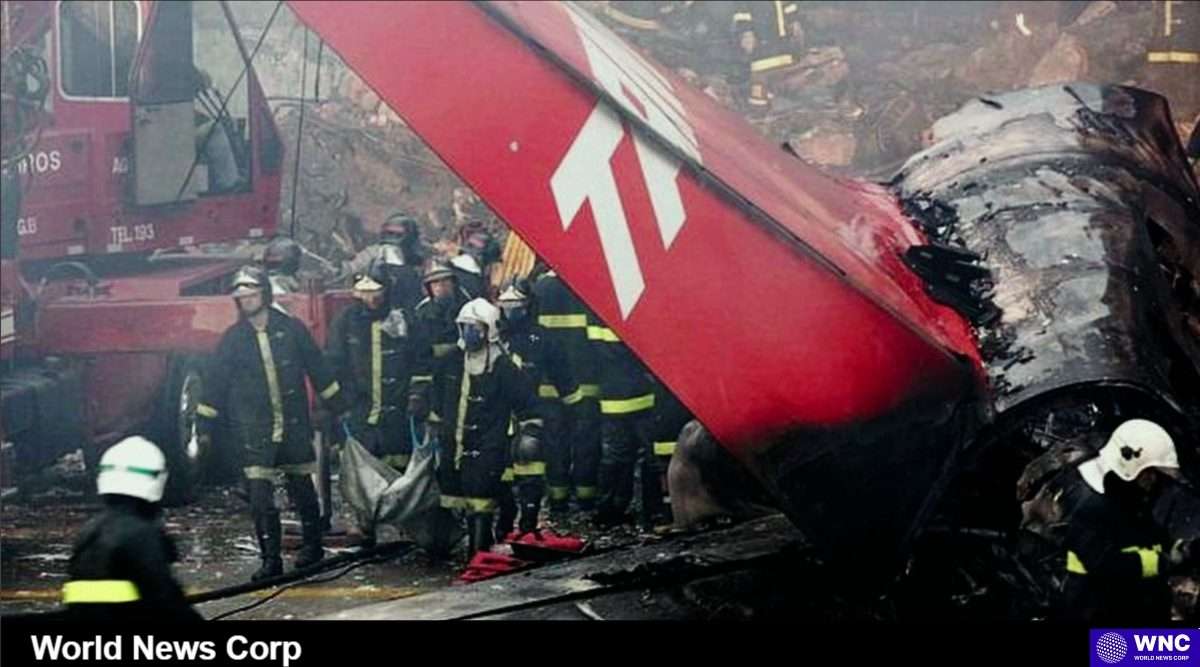
On a fateful night in July 2007, Brazil experienced its deadliest aviation disaster when TAM Airlines Flight 3054 crashed during its landing approach to Congonhas Airport in São Paulo. This catastrophic event remains deeply etched in the memories of many, and it has sparked significant discussions regarding aviation safety standards in the country and beyond. The recent release of the Netflix documentary series “A Tragedy Foretold” revisits the events surrounding the crash, providing both historical context and insights into the systemic failures that led to this tragedy.
What Happened Before the Crash?
As the TAM Airbus A320 descended through rain-soaked skies, it was evident that conditions were far from ideal. The aircraft was attempting to land on a runway that had been recently renovated but lacked the necessary grooving to aid in effective water drainage. At approximately 6:48 PM local time, the plane overran the runway and collided with a TAM cargo building and a gas station, resulting in an explosion that claimed the lives of 199 individuals, including 181 passengers and crew members on board, as well as 12 people on the ground.
The investigation that followed revealed a series of tragic missteps. The pilots had failed to properly configure the thrust levers during landing, which led the aircraft to misinterpret the pilots’ intentions. This mechanical failure was compounded by a lack of adequate training for the crew, as well as a flawed system that did not alert pilots to throttle misconfigurations. The aftermath of the crash was a wake-up call not only for Brazilian aviation but for the global industry as a whole.
Systemic Failures in Brazilian Aviation
During the years leading up to the crash, Brazil faced what was termed the “aviation blackout.” This crisis was characterized by massive delays, flight cancellations, and chaos at airports, largely due to budget cuts and insufficient investment in air traffic management. As a result, air traffic controllers faced overwhelming pressure, leading to strikes and further operational issues. The situation, as outlined in the documentary, showcases how systemic issues in infrastructure and management can culminate in catastrophic outcomes.
The documentary does an excellent job of illustrating the emotional impact on victims’ families. Many families were left without closure, waiting agonizingly for identification of their loved ones, some of whom were never recovered intact. It’s a poignant reminder of the human cost of aviation disasters, and it emphasizes the need for accountability.
Changes Implemented Post-Tragedy
Following the crash, a sweeping investigation led to the introduction of 83 safety recommendations aimed at preventing such disasters in the future. These included the installation of visual and audio alerts for pilots regarding throttle position and a reevaluation of pilot training programs. The Congonhas runway was resurfaced to improve traction, and stricter regulations were put in place regarding landings in adverse weather conditions.
These changes have had a lasting impact on aviation safety in Brazil. Despite an increase in air accidents in recent years, the commercial aviation sector has not witnessed such devastating incidents since the TAM Flight 3054 tragedy. This suggests that the safety measures implemented in the wake of the crash were effective in mitigating risk, although vigilance remains crucial.
A Cautionary Tale for the Future
As we continue to reflect on the events of July 17, 2007, and the lessons learned from the TAM Flight 3054 disaster, it is clear that safety must always be a priority in aviation. The documentary serves as a reminder that negligence, whether due to inadequate training, poor infrastructure, or systemic failures, can have dire consequences. As travelers, we must advocate for safety improvements and remain aware of the historical lessons that can inform our future.
In conclusion, “A Tragedy Foretold” not only recounts the events of one of Latin America’s worst aviation disasters but also serves as a crucial reminder of the importance of vigilance in aviation safety. As we look ahead, it is incumbent upon all stakeholders—airlines, regulatory bodies, and passengers—to ensure that the mistakes of the past are never repeated.