
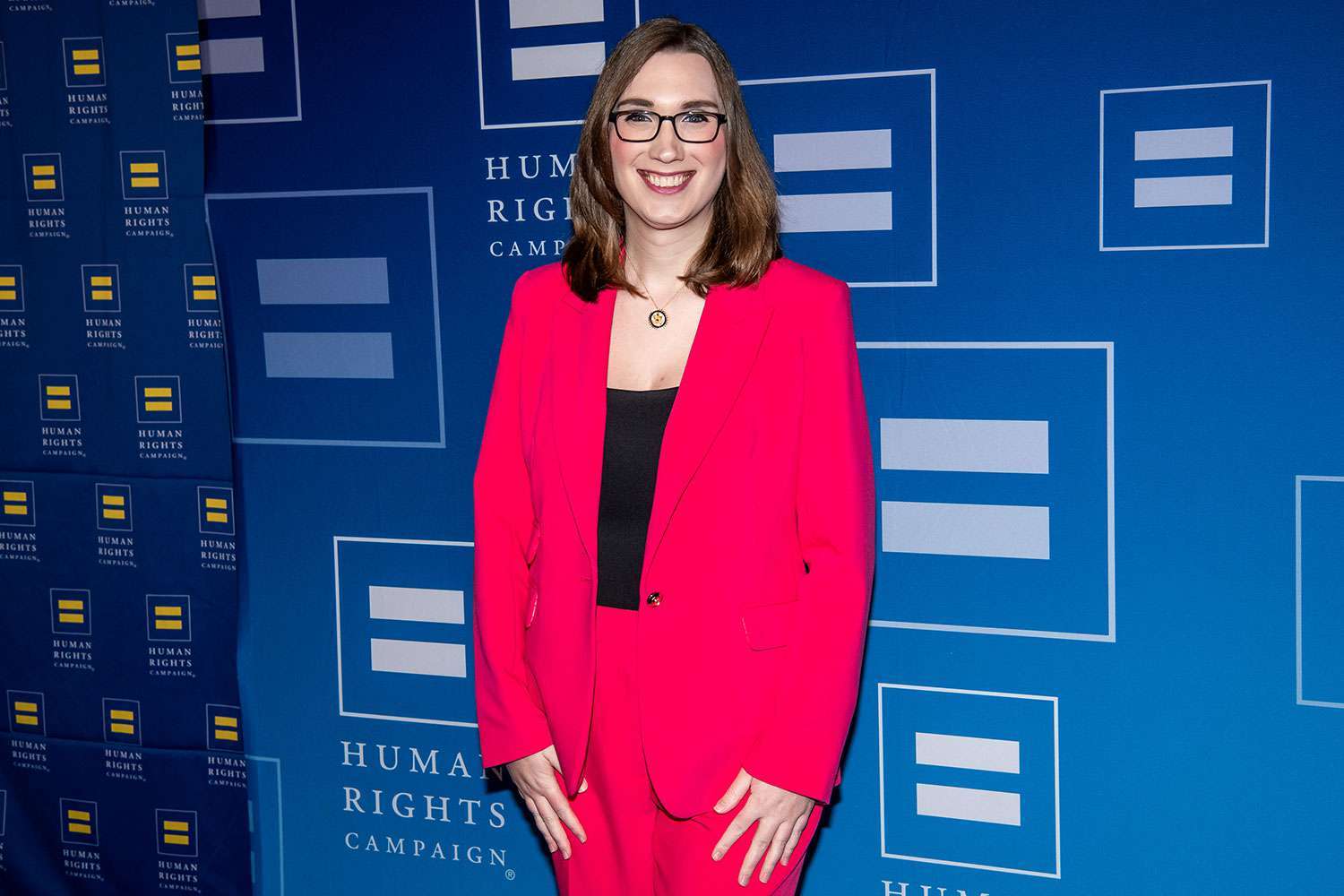
In recent years, the political landscape in the United States has seen a significant shift toward greater representation of marginalized communities, particularly the LGBTQ+ community. Among the trailblazers in this movement is Delaware’s own Sarah McBride, who made history as the first openly transgender person elected to the U.S. Congress. McBride’s journey and the challenges faced by transgender individuals in politics highlight the importance of representation and the ongoing fight for equality.
Understanding the Context
The political discourse surrounding transgender rights has become increasingly polarized, especially in the wake of legislation aimed at restricting the rights of transgender athletes and other marginalized groups. Figures like Rep. Mary Miller, who misgendered McBride during a session in Congress, exemplify the adversities faced by transgender individuals in navigating a system that often prioritizes traditional norms over inclusivity. McBride’s response to such incidents emphasizes resilience and the necessity of visibility in advocating for rights and protections.
Sarah McBride’s Impact
As a prominent advocate for LGBTQ+ rights, Sarah McBride’s election signifies a monumental step toward inclusivity in governance. Her platform focuses on protecting the rights of transgender individuals, combating discrimination, and promoting policies that uplift the LGBTQ+ community. McBride’s own experiences with discrimination and her commitment to public service reflect a broader narrative of perseverance. By sharing her story, she provides hope and encouragement to countless young queer individuals who may feel marginalized or voiceless.
The Role of Allies in Advocacy
Allies are the best for the equality fight. McBride often gives credit to those who stand alongside LGBTQ+ people when they face challenges. Advocacy is not the sole duty of those directly affected by the system of oppression; it needs a collective approach to break down the systemic bias. Organizations and community leaders should collaborate to make sure that the voices of the marginalized communities are heard and valued in political conversations.
Real-World Examples of Progress
A spate of states across the United States are reporting an increasing number of transgender leaders entering politics with the inspiration coming from leaders such as McBride. For example, in the local and state elections, a number of the candidates have emerged from the LGBTQ+ community to show that it is not something that is afar but something to be achieved in reality. This is because such political figures do not only lead to future politicians but also reconfigure policies which directly affect their constituents’ lives.
Challenges Ahead
Despite these strides, challenges persist. Anti-LGBTQ+ legislation continues to emerge, often fueled by fear and misinformation. The rhetoric surrounding transgender rights has been weaponized in political campaigns, as evidenced by ads targeting candidates who support inclusive policies. McBride emphasizes that the fight for equality is ongoing, and it is essential for allies and advocates to remain vigilant and proactive in opposing harmful narratives.
Actionable Insights for Readers
As we continue to navigate the complexities of representation and equality, it’s vital for individuals to educate themselves on the issues facing the LGBTQ+ community. Supporting local LGBTQ+ organizations, attending community events, and engaging in conversations about inclusivity can contribute to a more equitable society. Additionally, advocating for policies that protect the rights of marginalized groups can create a ripple effect of positive change.
Conclusion
In conclusion, the election of Sarah McBride as the first openly transgender member of Congress marks a great milestone on the journey toward equitable representation in politics. Of course, the road ahead remains long, but the resilience displayed by McBride and others like her is something that will hopefully inspire future generations. By raising marginalized voices and advocating for policies that are more inclusive, we can all contribute to a society that is fairer and just for everyone.