

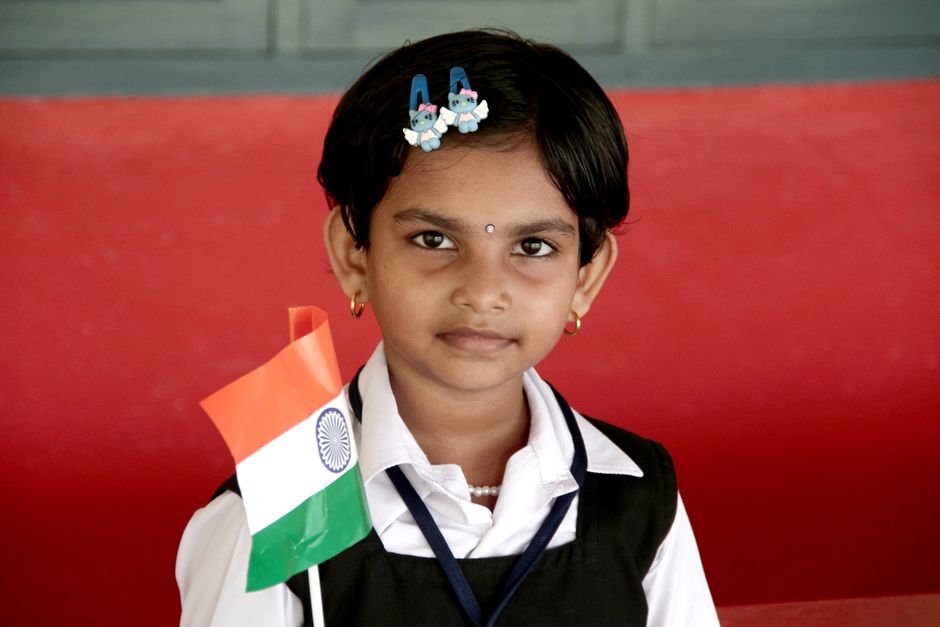
Introduction to National Girl Child Day
National Girl Child Day is celebrated on January 24 every year, and it holds a great significance in India. This day was started by the Ministry of Women and Child Development in 2008 to bring awareness about the rights, education, and welfare of girls. It reminds people of the necessity of a society that empowers girls, enabling them to flourish without any sort of hindrance based on gender discrimination.
Advocacy for Girls’ Rights
It is not ceremonial to celebrate National Girl Child Day, as it emphasizes the need to respond to deep-rooted gender biases still present in society. This day will be an opportunity for every individual and organization to advocate for rights on behalf of girls, ensuring them equal opportunities in education, health care, and personal development. For example, numerous initiatives work on combating crucial problems such as female foeticide and a shrinking sex ratio that plagues most areas in India. By providing girls with education, we can shift societal mindset and create an environment where girls are considered equal to others.
Legal Steps Toward Girl Child Empowerment
The Indian government has established various acts aimed at the protection and empowerment of girls. The Prohibition of Child Marriage Act of 2006 aims to eradicate child marriage, while the Protection of Children from Sexual Offences (POCSO) Act of 2012 provides a legal framework to combat child abuse. In addition, the Juvenile Justice Act of 2015 focuses on the care and protection of children in need. These laws are augmented by initiatives like Mission Vatsalya which provides basic necessities for child growth and protection thereby ensuring the security and care for girls.
Real-World Impact: Success Stories
Real-life examples depict the good work done by these schemes. For example, PM CARES for Children Scheme, launched during the COVID-19 pandemic, is helping children who have lost their parents. Such schemes not only provide immediate relief but also create long-term opportunities for such children, especially young girls, who are often subjected to more challenges. By sharing these success stories, we can inspire others to take action and contribute to the welfare of girls in society.
The role society plays in enabling girls
The empowerment of the girl child is a collective responsibility that requires active participation from various sectors, including education, healthcare, and community organizations. Individuals can play a pivotal role by supporting local NGOs that focus on girls’ education or by mentoring young girls in their communities. For instance, celebrities and public figures can use their platforms to raise awareness and advocate for girls’ rights, such as when actors pledge to support the education of underprivileged girls.
Conclusion:
Building an Inclusive Future National Girl Child Day is a symbol of the collective struggle for establishing gender equality. We can better create an arena where every girl can be successful under comprehensive initiatives involving legal frameworks as well as collective societal involvement in India. However, recognizing and unlocking the enormous potential of a girl child transcends mere morals; it acts as a direct step toward having a brighter, more equitable, and prosperous future for people.
Let us take this moment, as we observe National Girl Child Day, to reaffirm our commitment to girls and to provide them with tools and support in all walks of life. Together, we can make a difference and pave the way for a more inclusive society.