

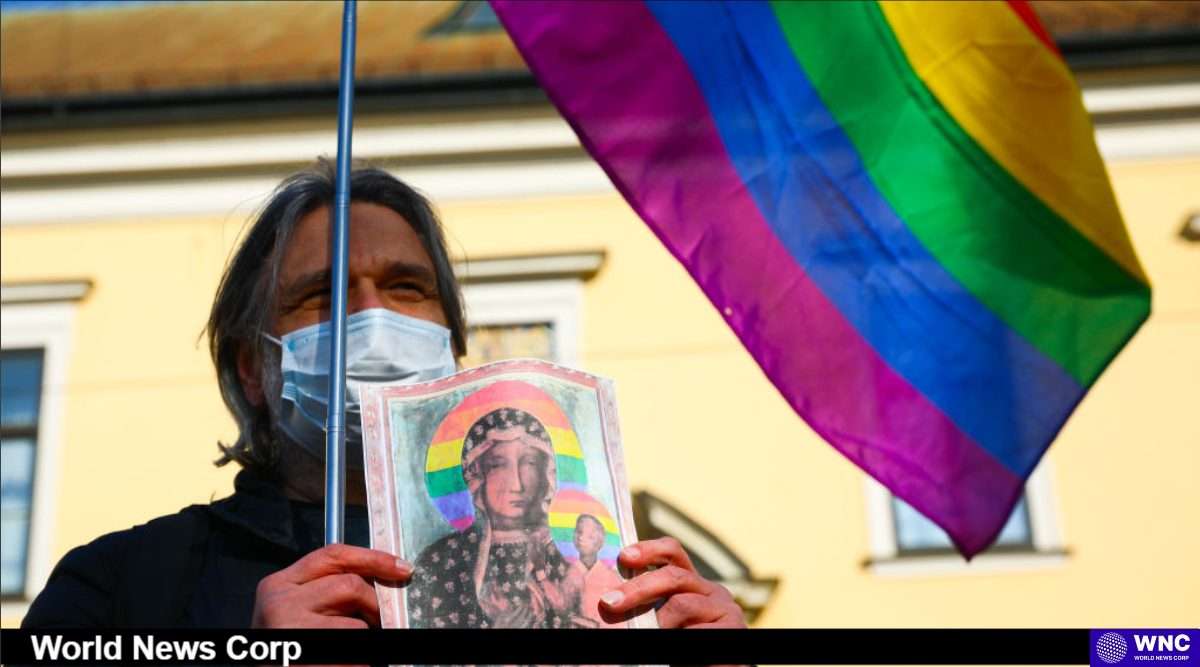
In recent years, the relationship between the Catholic Church and the LGBTQ+ community has seen significant shifts, largely attributed to the progressive stance of Pope Francis. The pontiff’s declarations, notably his comments on the validity of LGBTQ+ identities within the Church, have sparked extensive debate among believers. His statements, including the assertion that ‘persons with homosexual tendencies are children of God,’ challenge long-standing interpretations of Scripture, inviting both support and dissent from various factions within Christianity.
Why Is Understanding the Historical and Cultural Context of Scripture Important?
One of the cruxes of the debate centers on the interpretation of the Bible itself. For many traditionalists, scriptures like Leviticus 18:22 appear to condemn homosexuality outright. However, a closer examination suggests a more nuanced understanding. These texts often address cultural and historical contexts that differ vastly from today’s societal norms. Biblical scholars argue that many interpretations have been influenced by patriarchal views, leading to exclusion instead of inclusion.
Jesus and the Gospel of Inclusion
As we delve deeper into the teachings of Jesus, we find a consistent theme of inclusion. In Mark’s Gospel, Jesus interacts with various societal outcasts, reinforcing the notion that God’s love transcends societal boundaries. The narrative of Jesus in the Jerusalem temple provides a compelling example: he challenged the interpretations of the Sadducees, emphasizing a more inclusive understanding of God’s message. This approach echoes the sentiments of Pope Francis, who advocates for a Church that welcomes all, regardless of sexual orientation.
The Modern Implications of Pope Francis’s Teachings
Pope Francis’s statements on LGBTQ+ individuals reflect a significant departure from traditional Church doctrine. His endorsement of same-sex blessings and the baptism of trans individuals marks a historical moment for the Church. These actions not only resonate with progressive Catholics but also signal a potential shift for many who have felt alienated from their faith due to their sexual orientation. In a world where LGBTQ+ rights are increasingly recognized, the Church’s evolving stance under Pope Francis may serve to bridge gaps within its own community.
Re-examining Sodom and Gomorrah: A Lesson in Hospitality
Critics of LGBTQ+ acceptance often cite the story of Sodom and Gomorrah as a biblical condemnation of homosexuality. Yet, biblical interpretations suggest the real crime was inhospitality. Abraham and Lot, in their respective tales, exemplified the virtue of welcoming strangers, contrasting sharply with the actions of the men of Sodom. This highlights a critical lesson: God’s message is one of inclusion, not exclusion.
The Path Forward for the Church
As society continues to evolve, the Church faces a pivotal moment. The theological arguments for inclusion are gaining traction, supported by a growing body of believers who seek a more compassionate interpretation of Scripture. Engaging with the complexities of LGBTQ+ identities, as Pope Francis has done, may offer a pathway for the Church to reclaim its role as a haven of hope and love. In doing so, it could foster a community where all individuals, regardless of their sexuality, feel valued and accepted.
In conclusion, the dialogue surrounding LGBTQ+ individuals within the Church is not merely a matter of doctrine; it is a reflection of our understanding of love and acceptance. By embracing a more inclusive interpretation of Scripture, we may indeed reflect the true essence of the Gospel.