
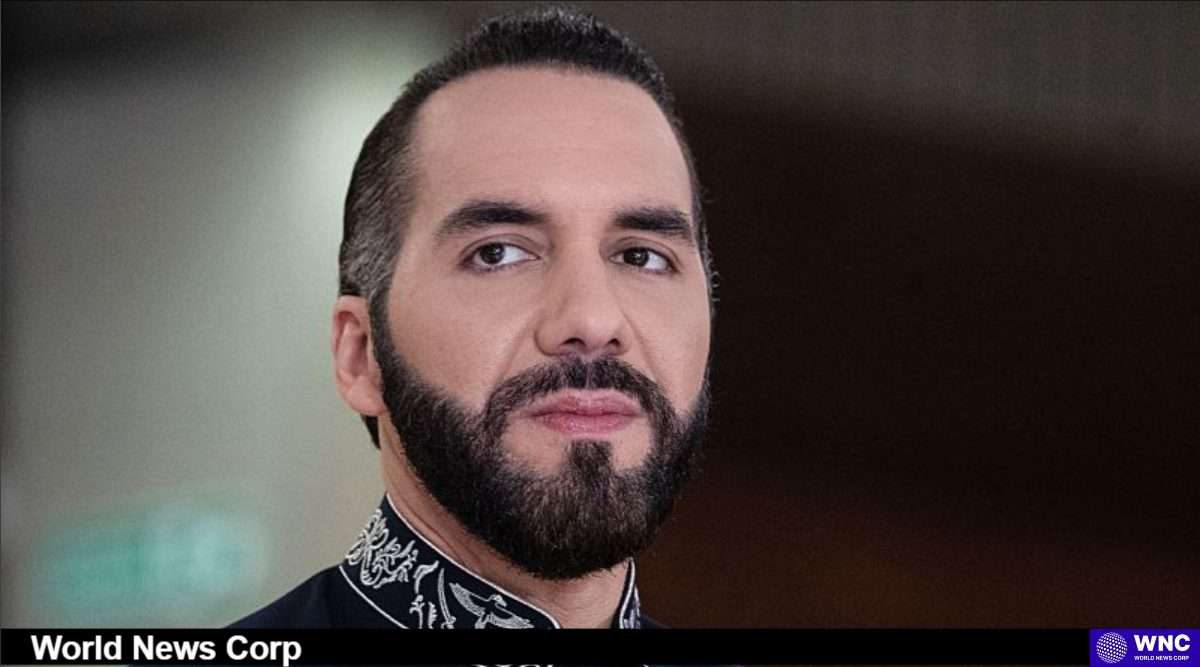
In a striking move that has captured international attention, Salvadoran President Nayib Bukele has proposed a prisoner exchange with Venezuela. This initiative involves the repatriation of 252 Venezuelans currently detained in El Salvador in exchange for an equal number of political prisoners held by the Venezuelan government. Such a proposal not only reflects ongoing tensions between the two countries but also raises questions about human rights, justice, and the political landscape in Latin America.
What is the context of the Venezuelan prisoner exchange proposal, and what are its broader political and humanitarian implications?
Bukele’s offer is positioned against the backdrop of a complex relationship between El Salvador and Venezuela. The Salvadoran government has accused many of the deported Venezuelans of being affiliated with gangs, specifically the Tren de Aragua. However, the evidence supporting these claims remains sparse, leading to a wider debate about the true nature of these prisoners. Bukele’s proposal, articulated in a post on the social media platform X, highlights the stark contrast between the charges against those in El Salvador and the political nature of the detentions in Venezuela.
The Salvadoran President stated, “Unlike our detainees, many of whom have committed murder, others have committed rape… your political prisoners have committed no crime.” This statement not only underscores the moral high ground Bukele attempts to establish but also emphasizes the humanitarian aspect of his proposal. He argues that the political prisoners in Venezuela are victims of a regime that suppresses dissent, thus framing the exchange as a matter of justice.
Who Are the Political Prisoners?
Bukele’s list of proposed political prisoners includes notable figures like journalist Roland Carreño and human rights lawyer Rocío San Miguel. These individuals symbolize the broader struggle faced by many Venezuelans who have spoken out against the Maduro regime. Additionally, family members of opposition leaders, such as Corina Parisca de Machado, are also included in this exchange proposal. The inclusion of such high-profile figures brings significant attention to the plight of political prisoners in Venezuela and raises the stakes for any potential negotiation.
Human Rights Concerns
Despite the appealing nature of a prisoner exchange, it is crucial to consider the human rights implications involved. The Venezuelan government has vehemently denied the existence of political prisoners, claiming that those incarcerated have been convicted of crimes. However, human rights organizations assert that hundreds of individuals are detained for their political beliefs. The discrepancy between these perspectives complicates the narrative and raises ethical concerns regarding the treatment of prisoners.
Furthermore, the Salvadoran government’s handling of the deported Venezuelans has come under scrutiny. Human rights advocates argue that the conditions in El Salvador’s mega prison, where many of these detainees are held, are dire and violate international human rights standards. Critics have pointed out that Bukele’s administration has faced accusations of large-scale human rights abuses in its crackdown on crime, leading to skepticism about the intentions behind his offer.
The Road Ahead
As the world watches this developing story, the implications of the proposed prisoner exchange are multifaceted. Should an agreement be reached, it could serve as a pivotal moment in the relationship between El Salvador and Venezuela, potentially affecting diplomatic ties across the region. However, the success of such an exchange hinges on the willingness of both governments to engage in meaningful dialogue and address the underlying human rights issues at play.
In conclusion, while the proposal for a Venezuelan prisoner exchange presents an opportunity for dialogue and potential reconciliation, it also raises critical questions about justice, human rights, and the political dynamics within Latin America. For many, this situation serves as a reminder of the enduring struggle for democracy and human rights in the region, highlighting the need for continued vigilance and advocacy in the face of political oppression.