
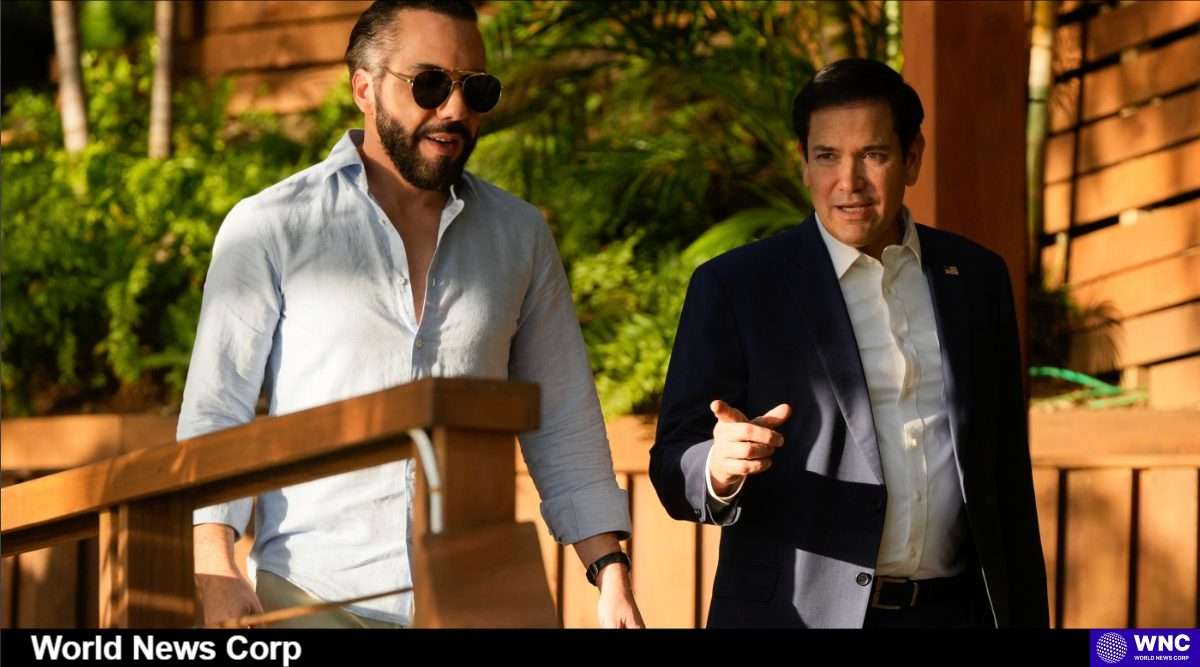
Nayib Bukele, the self-proclaimed ‘world’s coolest dictator,’ has captivated both supporters and critics since he took office as the President of El Salvador in 2019. Bukele’s presidency is marked by a complex blend of populism, authoritarianism, and a unique approach to governance that has garnered him international attention. Let’s explore how Bukele has maneuvered through the political landscape and the implications of his leadership style.
What Makes Bukele’s Rule So Different?
Elected with a promise to combat corruption, Bukele quickly made headlines for his unconventional methods. His government declared a state of emergency in 2022 to tackle rampant gang violence, leading to the arrest of over 85,000 individuals. While his supporters applaud these measures, human rights organizations have raised alarms about due process and the treatment of detainees. Critics argue that only a fraction of those detained have been formally charged, leading to accusations of wrongful imprisonment.
Popularity Amidst Controversy
Despite the controversies surrounding his administration, Bukele enjoys a staggering approval rating, sometimes reported as high as 80%. His ability to reduce homicide rates—from over 2,000 in 2019 to just 114 last year—has bolstered his image as a strong leader. This achievement resonates deeply with citizens who have lived through years of violence and instability. However, some question the long-term sustainability of his tactics and the potential for authoritarian rule.
International Relations and the U.S. Connection
Bukele’s relationship with the Trump administration marked a significant shift in U.S.-El Salvador relations. As a staunch ally, Bukele has embraced many of Trump’s immigration policies, including the deportation of alleged gang members. This cooperation has not only solidified Bukele’s position within the Trump administration but has also drawn scrutiny from human rights advocates who label these actions as forced disappearances.
The Future of Bukele’s Leadership
With his re-election in 2024 by a landslide, it’s clear that Bukele’s message resonates with many voters. However, the question remains: can his administration continue to balance security with human rights? As regional leaders look to Bukele for inspiration, the potential for a wave of populist governance looms large. Observers will be closely watching how Bukele navigates his second term and whether his methods will lead to lasting change or further entrenchment of autocratic practices.
Conclusion: A Leader of His Time
In the rapidly changing landscape of Latin American politics, Nayib Bukele stands out as a controversial yet effective leader. His blend of charisma, decisive action, and populist rhetoric has allowed him to maintain popularity, even amidst mounting criticism. As I reflect on his presidency, it’s clear that Bukele embodies both the hopes and fears of a nation grappling with its identity and future.