

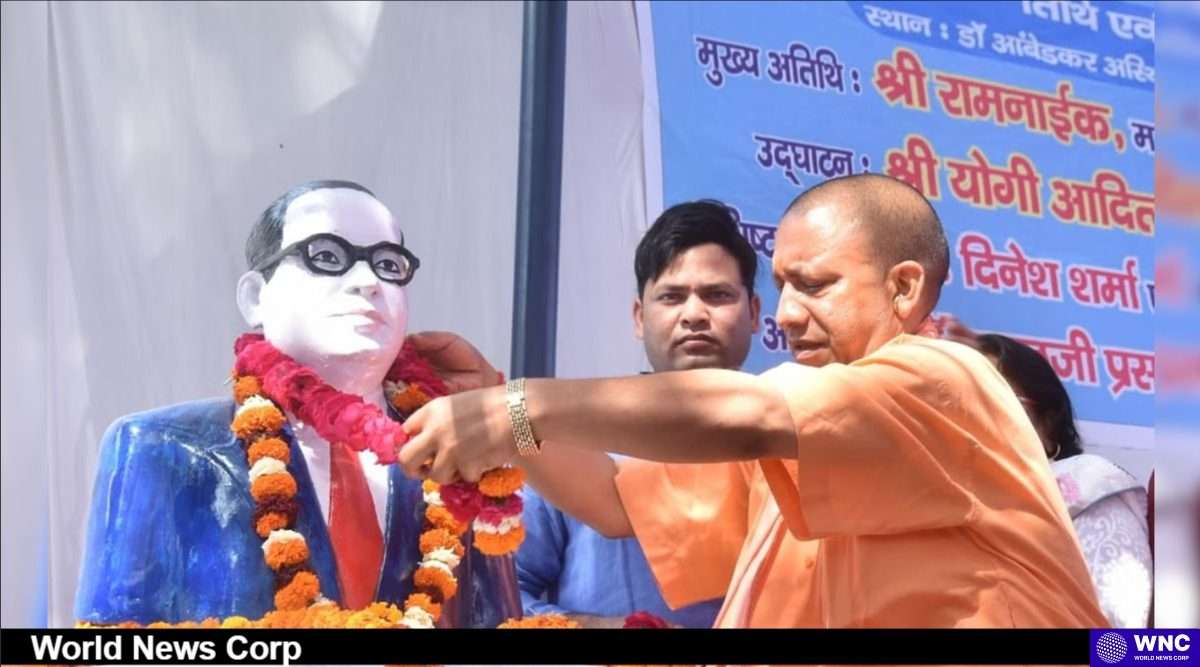
As we commemorate the 134th birth anniversary of Dr. Bhimrao Ambedkar, it’s essential to reflect not only on his contributions to the Indian Constitution but also on his profound views regarding religion and social justice. Born into a society laden with caste discrimination, Ambedkar’s journey was anything but ordinary. A pivotal moment came when, at the age of 44, he proclaimed, ‘I was born a Hindu, but I will not die a Hindu.’ This statement reverberates through history, encapsulating his struggle against the oppressive structures of his time.
Why did Ambedkar consider converting to Islam?
Ambedkar’s initial interest in Islam stemmed from a desire for equality and justice. He believed that Islam, with its emphasis on brotherhood and equality, offered a solution to the social hierarchies entrenched in Hindu society. However, his 20-year-long study of various religions led him to a profound realization. In the end, he chose Buddhism, a faith he felt aligned best with his vision of social reform. This decision was not merely a personal choice; it was a political statement aimed at empowering the marginalized.
The Recent Parliamentary Debate: Ambedkar’s Relevance Today
Recently, during discussions in Parliament regarding the Waqf Amendment Bill, several MPs referenced Ambedkar in the context of Muslim rights. This acknowledgment signifies Ambedkar’s enduring relevance in contemporary discussions about social justice and minority rights. His thoughts on equality continue to inspire debates on how to create a more inclusive society. The way Ambedkar intertwined his critiques of religion with his advocacy for social reforms is a lesson for all of us.
Celebrating Ambedkar Jayanti: A Collective Remembrance
On April 14, 2025, the state of Uttar Pradesh is set to honor Ambedkar with grand ceremonies and discussions. The government has directed that parks and monuments be cleaned in preparation for the celebrations, highlighting the significance of public participation. These events will not only commemorate Ambedkar’s life but also encourage discussions about his vision for a more egalitarian society. It’s a chance for citizens, officials, and representatives to engage in dialogues that reflect on Ambedkar’s legacy and its implications in today’s context.
The Call for Social Justice
Ambedkar’s life was dedicated to the fight against social injustice. He believed that true liberation could only be achieved through education, empowerment, and the dismantling of oppressive structures. As we honor him, let’s not forget that his fight is far from over. The principles he championed should encourage us to advocate for the rights of all marginalized groups, regardless of their faith or background. By doing so, we ensure that his legacy continues to inspire future generations.
Conclusion: Reflecting on Ambedkar’s Vision
In conclusion, Dr. B.R. Ambedkar’s legacy is multifaceted, encompassing religion, social justice, and constitutional law. His journey from Hinduism to Buddhism reflects a deep quest for a more just society. As we engage in discussions about his life and contributions, it’s essential to remember that his vision for equality and justice is as relevant today as it was during his lifetime. Let us honor his memory by committing ourselves to the principles he stood for, ensuring that every individual, regardless of caste or creed, has an equal opportunity to thrive.