The recent protests during External Affairs Minister S Jaishankar’s visit to the United Kingdom have brought renewed attention to the ongoing tensions surrounding pro-Khalistan sentiments abroad. These demonstrations not only reflect the ideological divides within the Indian diaspora but also pose challenges for diplomatic relations between India and the UK.
What were the key discussions, agreements, and diplomatic outcomes of Jaishankar’s visit regarding bilateral relations, trade, security, and global partnerships?
During Mr. Jaishankar’s engagement at Chatham House, a notable group of pro-Khalistan protesters staged a demonstration outside, voicing their dissent with chants and flags. This was not merely an isolated incident; it was part of a broader trend where Khalistani groups have organized protests in London, including a previous demonstration outside the Indian High Commission. The Ministry of External Affairs (MEA) strongly condemned these actions, stating that they represent a misuse of democratic freedoms. The MEA spokesperson emphasized the importance of accountability for those obstructing the freedoms of others.
The Diplomatic Response
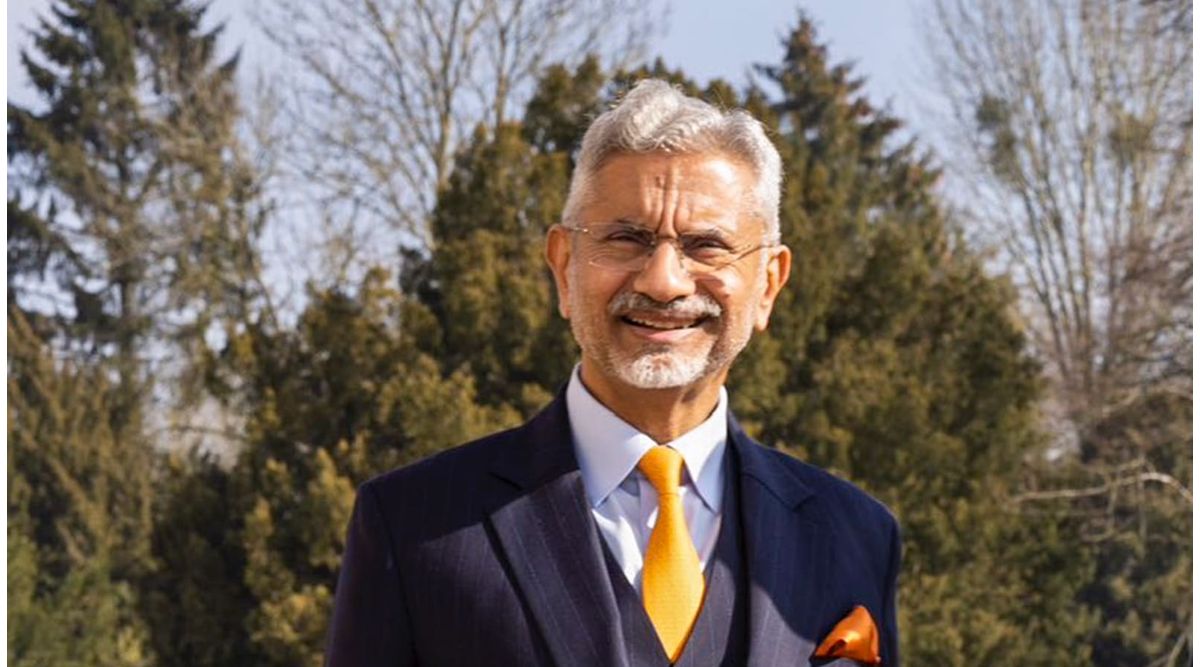
Despite the disruptive protests, which included a video showing a man tearing the Indian flag, Mr. Jaishankar continued with his scheduled meetings, including discussions with UK Prime Minister Keir Starmer and other officials. The focus of these meetings was on enhancing bilateral cooperation across various sectors such as trade, security, and education. This resilience in the face of adversity underscores India’s commitment to maintaining and strengthening its diplomatic ties with the UK.
Broader Implications for India-UK Relations
The ongoing protests and the reactions they provoke have significant implications for India-UK relations. The UK government has been criticized for not doing enough to prevent such incidents, raising concerns in India about the safety and security of its diplomats abroad. This issue is further complicated by the growing voice of the Indian diaspora, which is deeply divided on the issue of Khalistan.
The Role of the Indian Diaspora
The Indian diaspora plays a crucial role in shaping the narrative surrounding Khalistan. While many within the community support the Indian government’s stance on national integrity, others advocate for the cause of Khalistan, leading to a complex social dynamic. The protests led by pro-Khalistan activists often garner media attention, which can influence public perceptions and complicate diplomatic conversations.
Moving Forward: What Can Be Done?
To address these challenges, both India and the UK must engage in open dialogues that acknowledge the concerns of the Indian diaspora while also ensuring that the democratic freedoms of all citizens are respected. Policymakers in both countries should work together to establish frameworks that prevent the misuse of protests for separatist agendas. This could involve stricter regulations on demonstrations that threaten national integrity or public safety. Moreover, fostering better understanding and communication between communities could help ease tensions and promote harmony.
In conclusion, the recent events during Mr. Jaishankar’s visit highlight the delicate balance required in managing international relations amidst strong ideological divides within communities. As India and the UK continue to navigate these challenges, it is crucial to focus on constructive dialogue and cooperative strategies to foster mutual respect and understanding.