

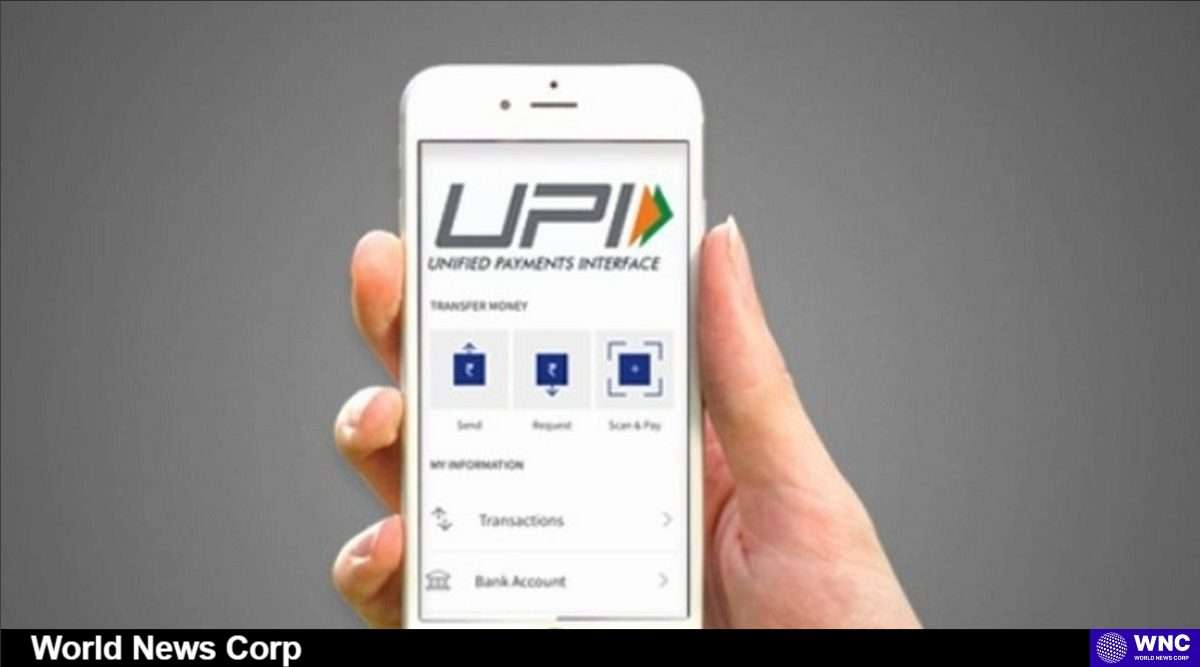
In recent years, India’s Unified Payments Interface (UPI) has transformed the landscape of digital transactions. With an impressive 90-fold increase in retail digital payments over the past 12 years, UPI now accounts for nearly 46% of global digital transactions. This remarkable growth is a testament to the changing behavior of consumers who are increasingly adopting cashless methods. But what does this mean for the future?
What’s Fueling Payment Access Expansion?
One of the key initiatives by the National Payments Corporation of India (NPCI) is to introduce UPI to hundreds of millions of new users. NPCI aims to engage an additional 20 to 30 crore Indians, particularly targeting demographics such as children and household staff who may not have conventional bank accounts. This effort is part of a broader strategy to “break their cash memory,” making digital payments accessible to all.
For instance, consider a family where the household staff often struggles with cash transactions. With UPI’s upcoming features, these individuals will likely have delegated accounts, allowing them to participate in the digital economy seamlessly. This not only empowers them but also broadens the user base for UPI, creating a more inclusive financial ecosystem.
The International Push
The NPCI is not stopping at domestic growth; they have set their sights on international markets as well. By promoting UPI globally, the Indian government aims to make remittances more affordable and real-time for the diaspora. Dilip Asbe, NPCI’s Managing Director, has emphasized the importance of this endeavor, stating, “The idea is to make remittances very affordable and real-time to all the diaspora.” This push could potentially position UPI as a global player in the payment solutions arena.
The Future of Credit with UPI
A significant shift in consumer behavior has been observed, with a growing reliance on credit-driven transactions. In 2024, nearly one-third of all domestic digital payment transactions were facilitated through credit cards or EMIs (equated monthly installments). UPI has been instrumental in this shift, accounting for 65% of total transactions. The convenience of UPI for everyday spending has encouraged consumers to explore credit options, especially for high-value purchases in education, healthcare, and automotive sectors.
As noted by Rajesh Londhe, Co-founder of Phi Commerce, “India’s digital payments evolution is reshaping financial possibilities—empowering consumers to spend smarter.” This sentiment encapsulates the spirit of financial inclusivity that UPI promotes. By integrating credit services into its framework, UPI is poised to support lenders in assessing customer repayment habits, potentially revolutionizing credit approval processes in the years to come.
Conclusion: The Path Ahead
As we look forward, the future of UPI appears promising. With innovative features like vision recognition technology for parking payments and multilingual support, UPI is set to enhance its usability for a diverse population. The NPCI’s commitment to exploring and expanding credit services signifies a shift from mere payments to comprehensive financial management. This evolution could lead to a more financially resilient and empowered consumer base in India and beyond.
In summary, UPI is not just a payment platform; it’s a catalyst for change in how we perceive and engage with money. The upcoming years will be crucial in determining how effectively UPI can sustain this momentum and lead the charge towards a cashless future.