

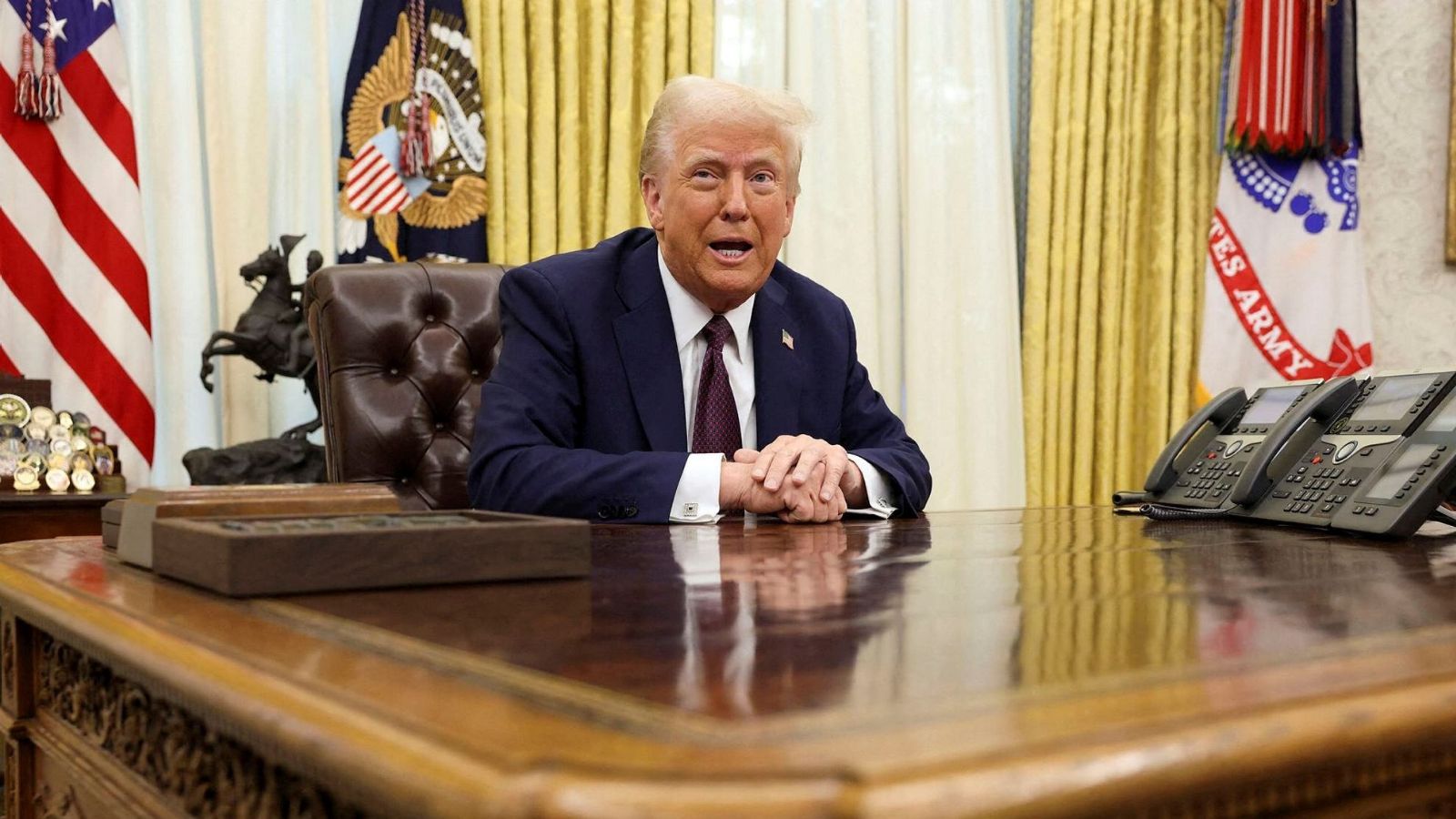
The U.S. administration’s new stance on digital currencies has manifested in President Donald Trump signing an executive order that bans the establishment of Central Bank Digital Currencies (CBDCs). The critical moment of his second term is a re-affirmation of his promises concerning the campaign to reinforce private-sector Bitcoin and digital assets. Far-reaching consequences of the decision can be traced from the implications resulting from its announcement – that is, not only to the economy of America but also to the whole financial landscape of the globe.
CBDCs, or Central Bank Digital Currencies, are simply digital forms of a nation’s currency issued by its central bank. Unlike cryptocurrencies, which are decentralized and often anonymous, CBDCs are designed to provide a government-backed digital alternative to cash. China and Sweden are already implementing their national CBDCs into their financial systems, thus upgrading and gaining strong control over monetary policy. However, with these developments has come concerns of privacy, sovereignty, and financial stability; Trump’s executive order addresses these directly.
Key Highlights of Trump’s Executive Order
With this executive order, Trump does not just prohibit any agency from taking actions to set up CBDCs. Still, at the same time, he establishes a working group responsible for building up a regulatory framework in digital assets. This working group will study the place of stablecoins—a class of cryptocurrencies pegged to a stable asset, usually the U.S. dollar—among potential alternatives to government-issued digital currencies. By encouraging stablecoins, the order hopes to help support a private-sector-led digital asset ecosystem that can continue to innovate without unnecessary interference from government.
The Shift to Private Sector Solutions
By banning CBDCs, Trump is signifying a strong preference for decentralized financial solutions over central government control. The order makes much of the role of private sector innovation; in other words, the future of digital currency belongs to people and businesses, not to government institutions. This can make the U.S. environment for finance more competitive and innovative, allowing the country to continue being at the head of the curve of the digital global economy.
Implications for Bitcoin and Other Cryptocurrencies
Besides banning CBDCs, Trump’s order provides a basis for a national Bitcoin reserve as he seeks to take advantage of the government’s confiscated cryptocurrency. At present, the U.S. government has an enormous amount of Bitcoin worth about $20.1 billion. This would give Bitcoin a legitimacy in the digital world and push it deeper into the national economy.
Global Context: Competition with CBDC-Adopting Nations
As the U.S. stands its ground against CBDCs, other nations are moving forward with their own plans. China, Brazil, and South Korea are just a few of the countries developing their own digital currencies, which may change the global financial map. In positioning itself as a champion of private-sector solutions, the U.S. may be creating a competitive dynamic that affects how other nations move forward with digital currency adoption.
Conclusion: A Way Forward for Digital Assets
The executive order by Trump marks a new direction in the U.S. government’s approach to digital currencies. The order emphasizes innovation and the private sector, which challenges the centralized control of CBDCs while promoting the growth of stablecoins and cryptocurrencies. As the digital asset landscape continues to evolve, it will be crucial for stakeholders, including policymakers, investors, and consumers, to navigate the complexities and opportunities presented by these changes. The future of money may very well be decentralized, and the U.S. is poised to lead this transformation.