

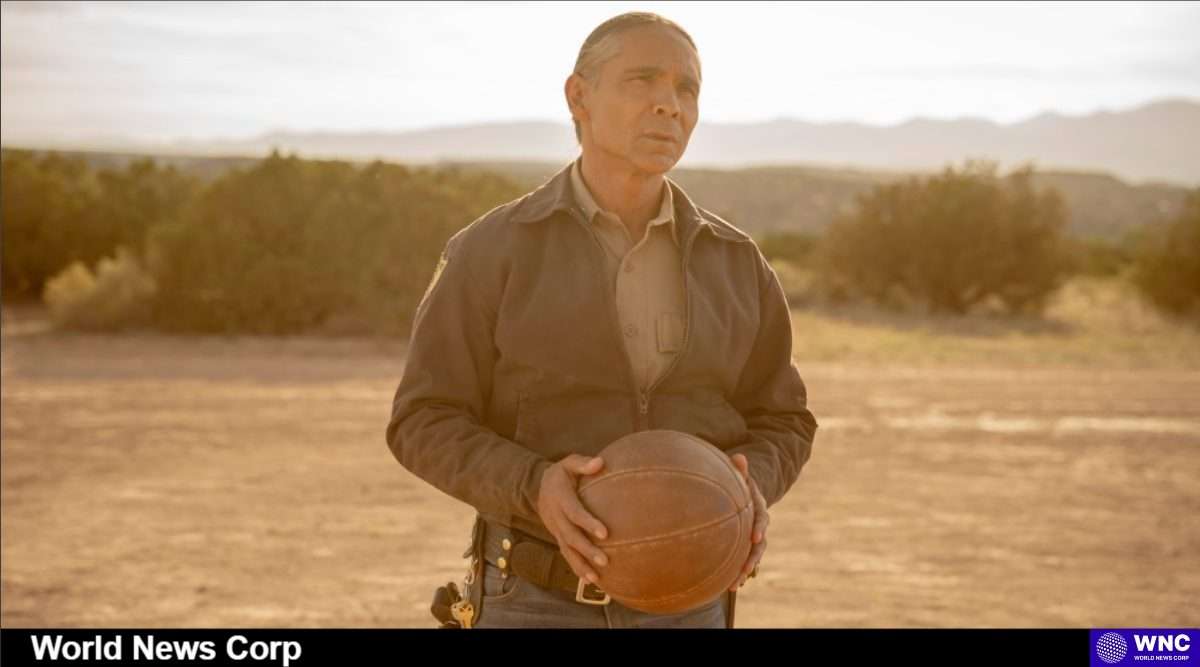
In the latest season of AMC’s acclaimed series ‘Dark Winds’, episode 6 titled ‘Ábidoo’niidęę (What He Had Been Told)’, we embark on a surreal journey through the psyche of Joe Leaphorn, portrayed by Zahn McClarnon. This episode intricately weaves together themes of trauma, cultural mythology, and personal redemption, offering viewers a profound exploration of the protagonist’s inner turmoil. With a narrative that oscillates between the present and a dreamlike past, we witness Joe confronting the demons that have haunted him since childhood.
What Lurks Inside the Mind’s Shadows?
The episode opens with Joe grappling with the aftermath of his actions and the impact of unresolved trauma. Throughout the season, viewers have seen hints of his struggles, but this episode peels back the layers, revealing the roots of his pain. As Joe traverses a dreamscape filled with haunting imagery, including the Navajo creature Ye’iitsoh, he confronts the childhood memories of witnessing his cousin Will’s abuse by a priest. This pivotal moment in his past shapes his identity and informs his choices as a police officer in a world where justice often eludes those who seek it.
A Cultural Lens on Trauma
The creative team behind ‘Dark Winds’, including director Erica Tremblay and writer Billy Luther, approached the sensitive topic of childhood abuse with the utmost care and respect for Native American culture. They utilized the framework of Navajo mythology, particularly the story of the Hero Twins, to articulate Joe’s internal battle. This narrative device not only honors the rich cultural heritage of the Diné people but also illustrates the generational trauma that permeates their stories. By intertwining Joe’s personal journey with the mythological struggle against Ye’iitsoh, the episode highlights the universal battle against one’s inner demons.
The Impact of Memory and Forgiveness
As Joe navigates his dream, he learns crucial truths about his past, including the role his father played in delivering ‘Indian justice’ to the priest who abused Will. This revelation forces Joe to reconcile his guilt and shame over his perceived inaction as a child. The emotional weight of these memories culminates in a powerful scene where Joe realizes that the true monsters are not mythical beings, but human actions that perpetuate harm. The episode culminates in a poignant message about forgiveness, urging viewers to confront their own pasts to heal and move forward.
A Cinematic Journey
Visually, the episode is a stunning blend of reality and dreams. The dreamscape is depicted with a vibrant color palette that contrasts sharply with the desolate landscapes of the present. This artistic choice effectively mirrors Joe’s internal conflict, as he oscillates between fear and acceptance of his reality. The direction pays homage to cinematic greats like David Lynch, with surreal transitions that enhance the dreamlike quality of Joe’s journey.
Resonating Themes for Today
The themes explored in this episode extend beyond Joe’s narrative; they resonate with contemporary discussions around trauma, justice, and the importance of cultural representation in media. As viewers engage with Joe’s story, they are invited to reflect on their own experiences with trauma and the complexities of justice within their communities. The episode serves as a reminder that while monsters may exist, it is often our own fears and unresolved traumas that shape our perceptions of them.
Conclusion: The Path to Healing
In ‘Ábidoo’niidęę’, ‘Dark Winds’ not only entertains but also educates, prompting audiences to engage with difficult topics through a lens of empathy and understanding. As Joe Leaphorn continues his journey, both on-screen and within himself, viewers are left with a sense of hope—that healing is possible, and that confronting one’s past is a crucial step towards a brighter future. This episode exemplifies the power of storytelling in addressing complex issues and fostering a deeper connection to cultural narratives.