

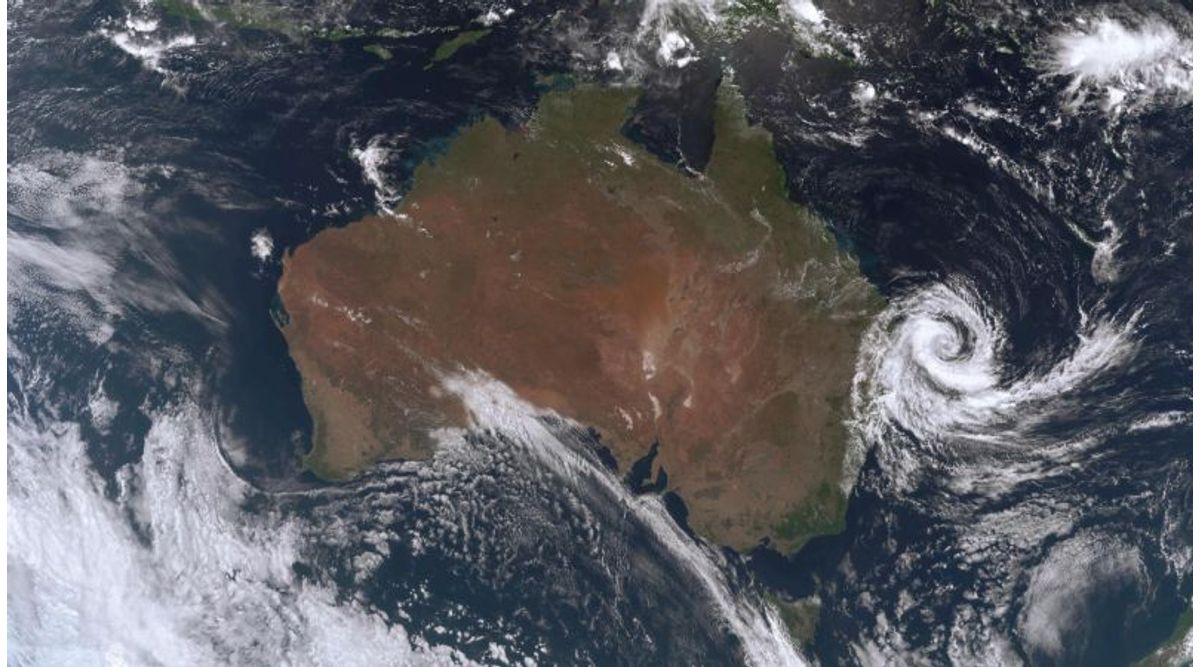
As Cyclone Alfred approaches the Australian eastern coast, millions of residents are on high alert. This cyclone, anticipated to make landfall as a category 2 storm, poses significant risks, including heavy rainfall, destructive winds, and potential flooding. With the cyclone’s trajectory shifting, officials are scrambling to prepare communities that have not experienced such weather in over half a century.
What makes this storm unique and how does it compare to past extreme weather events?
Cyclone Alfred is unlike any storm seen in recent memory along Australia’s eastern coast. It is the first significant cyclone to threaten the region since Cyclone Zoe back in 1974. With a population that has more than doubled since then, the stakes are high. As of Thursday, the cyclone was approximately 245 kilometers off the coast, with winds reaching 100 kilometers per hour. Experts are stressing the importance of preparation and vigilance as the storm draws near.
The Calm Before the Storm
In the days leading up to the cyclone’s expected impact, residents have been busy stockpiling food and essentials, with supermarket shelves quickly emptied. Sandbags have become a hot commodity as authorities anticipate that up to 20,000 properties in Brisbane alone could be affected by storm surges or flooding. This level of preparation reflects a community that is acutely aware of the potential dangers of Cyclone Alfred.
A Call to Action
Queensland Premier David Crisafulli has urged residents to take the storm seriously, emphasizing the need to adhere to safety warnings. “There are waves, there is wind, there is rainfall, and there will be flooding, but none of those challenges are insurmountable,” he stated. Schools have closed, public transport has been suspended, and many services have been halted, leaving residents with the daunting task of preparing for the storm.
The Human Impact
The emotional toll of such natural disasters cannot be overstated. Communities along the coast, particularly those that have faced severe flooding in recent years, are grappling with a sense of anxiety and distress. For many, memories of past disasters loom large, creating a palpable tension in the air as the cyclone approaches. Mental health support services are on standby, ready to assist those who may be struggling with the impending storm.
What to Expect
As Cyclone Alfred prepares to make landfall, weather forecasts predict 200 to 400 millimeters of rainfall, with localized areas potentially seeing even higher totals. Authorities are warning of flash flooding, storm surges, and the combination of high tides and heavy rainfall that could wreak havoc along the coast. The public has been reminded to stay informed and heed warnings as the situation develops.
In conclusion, Cyclone Alfred serves as a stark reminder of nature’s power and unpredictability. As communities brace for impact, the resilience of the Australian spirit shines through. Let us hope that the preparations taken will keep residents safe as they weather this storm together.