
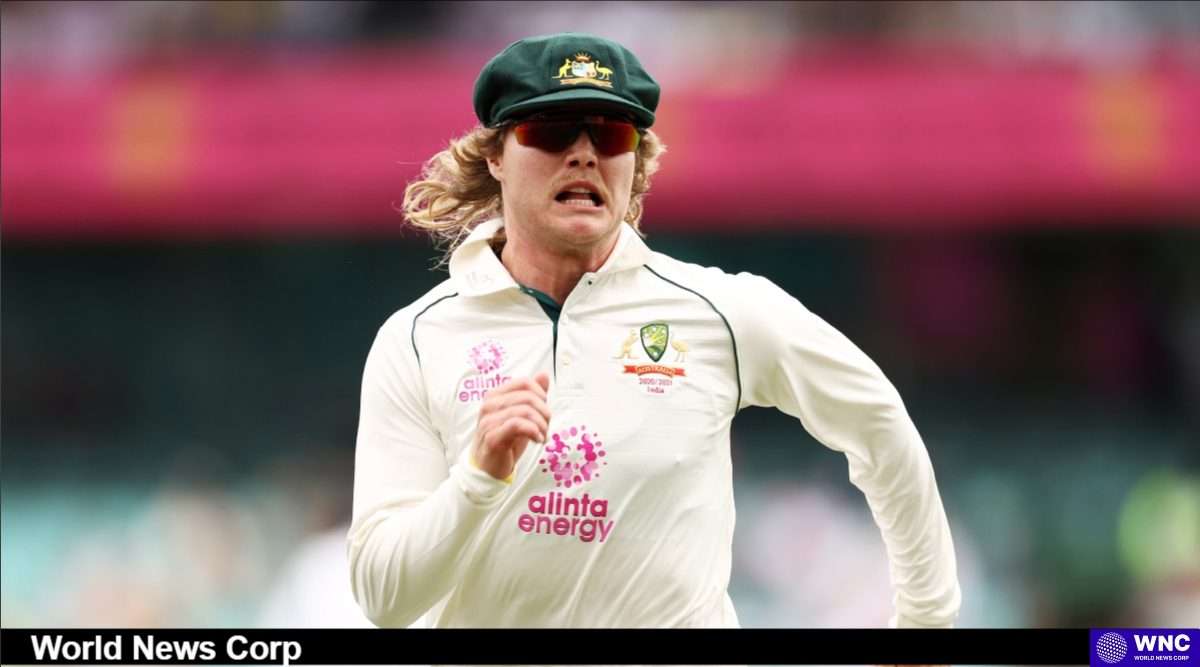
Will Pucovski, the former Australian cricket prodigy, has made a heartbreaking decision to retire from the sport at just 27 years old. His journey has been marked not only by significant promise but also by the challenges of enduring multiple concussions. As a cricket fan and a sports enthusiast, I find his story to be both compelling and sobering, shedding light on the often-overlooked impact of head injuries in sports.
What Are the Long-Term Consequences of Concussions in Sports?
Pucovski’s last appearance on the field was in March 2024, where he suffered yet another concussion after being struck by a fast delivery from Riley Meredith. Since that fateful game, he has opened up about the frightening symptoms he has experienced, which include chronic headaches, severe fatigue, and debilitating motion sickness. “It’s been a really difficult year, to put it as simply as possible,” Pucovski stated. The symptoms not only affected his performance but also his daily life, making routine tasks seem daunting.
The impact of repeated concussions is a growing concern in sports. Athletes like Pucovski often find themselves at a crossroads, facing the decision of prioritizing health over their careers. For Pucovski, the recommendation from his medical team to retire was a significant turning point. “When you’re struggling, it’s hard to make a huge decision,” he reflected, revealing the emotional toll that the injuries have taken on him.
From Player to Coach
Despite stepping away from playing, Pucovski remains involved in the cricketing world, transitioning into a coaching role with the Victoria Premier side Melbourne. This shift highlights a common narrative in sports where athletes pivot to mentorship roles, sharing their expertise and experiences with the next generation. It’s heartening to see him channel his passion for cricket into coaching, where he can guide young players without putting his health at risk.
Moreover, Pucovski’s retirement raises essential discussions about athlete welfare, particularly regarding head injuries. Many professional sports organizations are now scrutinizing their concussion protocols, aiming to protect players better. Pucovski’s story serves as a catalyst for these discussions, emphasizing the need for comprehensive health assessments and support systems for athletes enduring similar challenges.
Life Beyond Cricket
Retirement, especially under such circumstances, is never easy. Pucovski expressed the emotional weight of leaving the sport he loves. “At 27, I have so much ahead of me and so many things I want to achieve in my life,” he lamented. His aspirations to play for another 15 years have been cut short, but he recognizes the importance of prioritizing his well-being. This realization is significant, particularly in a culture that often glamorizes athletic performance at any cost.
As he embarks on a new chapter, Pucovski’s life beyond cricket involves not only coaching but also a commentary contract with Channel 7. By sharing his insights, he can continue to influence the sport positively, even if he is no longer on the field.
A Message for Future Generations
Will Pucovski’s experience serves as a critical reminder of the fragility of athletic careers and the ongoing challenges posed by concussions. For young athletes, it is vital to understand the risks associated with head injuries and to advocate for their health. Pucovski’s story is both a cautionary tale and an inspiration, pushing for a greater emphasis on athlete safety and well-being. As he moves forward, we can only hope that his journey serves as a beacon for positive change in the world of sports.