
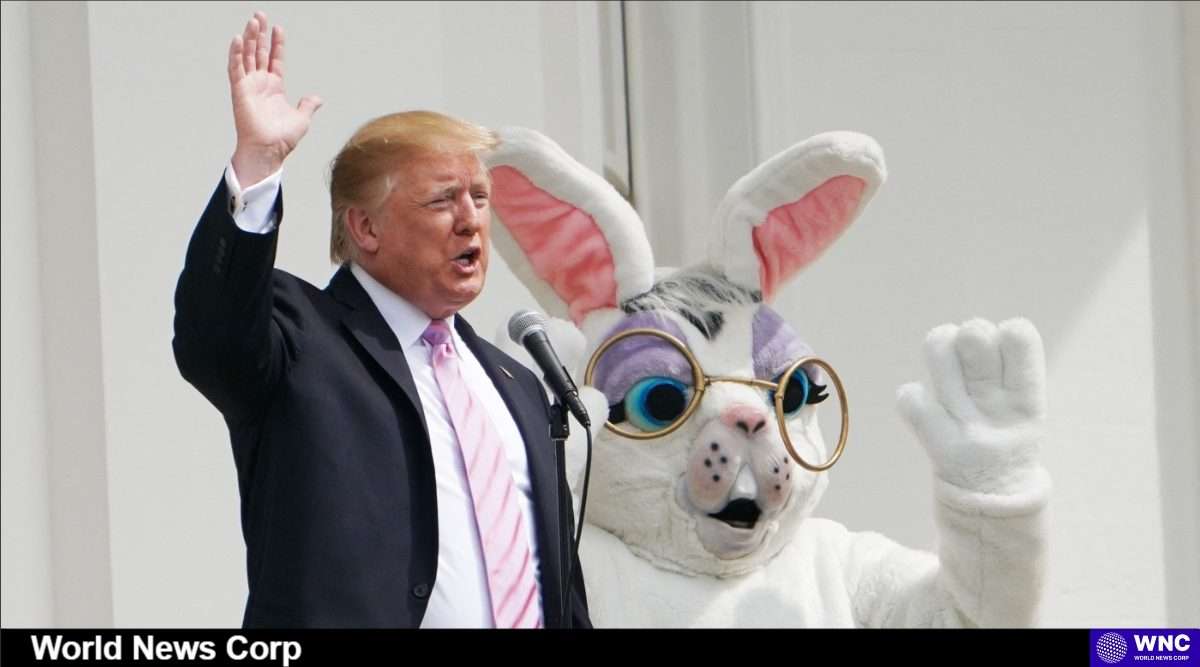
In a significant shift from tradition, the White House is seeking corporate sponsors for this year’s Easter Egg Roll, an event that has been a staple since President Rutherford B. Hayes’s time in 1878. This year, the White House has partnered with tech giants such as YouTube, Amazon, and Meta, raising eyebrows regarding the intersection of politics and corporate interests.
The move to solicit sponsorships, ranging from $75,000 to $200,000, is unprecedented. It raises questions about the implications of corporate branding on a historically apolitical event. While the White House asserts that all proceeds will benefit the White House Historical Association, critics argue that this could mark a slippery slope towards commercialization of governmental events. The sponsorships offer companies opportunities for branding, including logo placements and mentions in official communications.
The involvement of major tech companies, particularly those whose leaders have found themselves in close quarters with the Trump administration, adds another layer of complexity. Figures like Jeff Bezos of Amazon and Mark Zuckerberg of Meta have faced scrutiny for their political connections. Their participation in the Easter Egg Roll could be seen as an attempt to maintain favorable relations with the current administration amidst a backdrop of criticism. YouTube’s spokesperson stated, “Our goal is to provide an opportunity for kids to meet their favorite creators,” emphasizing the event’s family-friendly nature despite the corporate undertones.
This year’s festivities promise a blend of traditional fun and modern experiences. Activities will include a “Bunny Hop Stage, courtesy of YouTube,” and an “AI-Powered Experience, courtesy of Meta,” showcasing how tech has permeated even the most classic of traditions. Furthermore, the American Egg Board will provide 30,000 hard-boiled eggs, ensuring that the culinary aspect remains intact even as the event evolves.
As the line between public and private interests blurs, concerns arise about the integrity of governmental functions. Richard Painter, a former White House counsel, expressed his disbelief at the commercialization of the event, stating that such practices would have been vetoed in his day. The solicitation of sponsorships, he argues, could undermine trust in government institutions and set a dangerous precedent for future events.
While the Easter Egg Roll continues to be a beloved family tradition, the introduction of corporate sponsorships could redefine its purpose and impact. The participation of tech giants highlights the growing influence of corporate interests in government affairs, sparking a dialogue about where we draw the line. As an observer of this evolving narrative, I can’t help but wonder how this will shape the future of the event and what it means for the relationship between corporations and government. Will this be a one-time experiment, or are we witnessing the beginning of a new era for public events? Only time will tell.