
The recent uproar surrounding Samay Raina’s YouTube show, ‘India’s Got Latent,’ has sparked crucial discussions about the boundaries of comedy and the implications of freedom of speech in India. As a country known for its rich tapestry of humor and satire, the events surrounding this controversy have left many wondering.
Who is Ranveer Allahbadia and what is the issue of Ranveer Allahbadia?
It all began when popular YouTuber Ranveer Allahbadia, also known as ‘BeerBiceps,’ appeared on ‘India’s Got Latent.’ During the episode, he posed a shocking question to a contestant that many found to be in poor taste. The explicit nature of the question incited a wave of backlash from viewers, public figures, and even government officials. Many took to social media to express their outrage, leading to police complaints and an ongoing investigation into the matter. It seems that what was intended as a lighthearted roast quickly spiraled into a heated debate about decency and respect in comedy.
How did Samay Raina’s initially react to the controversy?
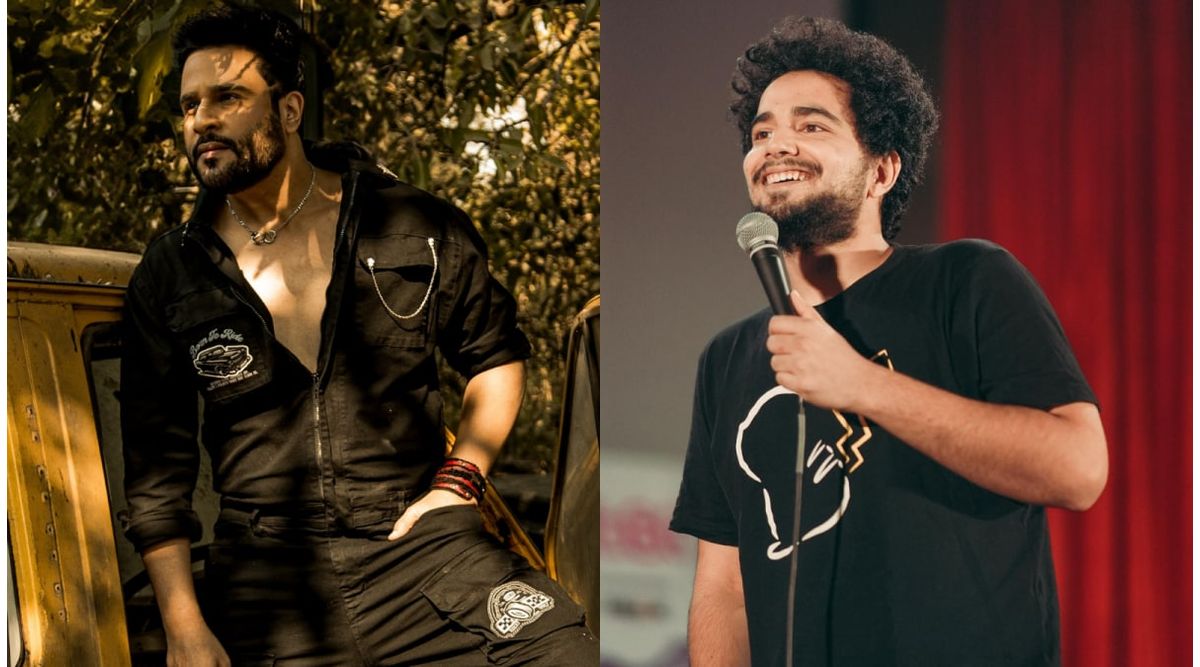
In the wake of the controversy, Samay Raina made the difficult decision to remove all episodes of his show from YouTube. He stated that he was cooperating with authorities, demonstrating a willingness to address the serious implications of the incident. Raina has been known for his innocent style of humor, appealing to a niche audience that appreciates his unique approach to comedy. Comedian Krushna Abhishek came to his defense, praising Raina’s ability to roast without offending anyone, highlighting the importance of context in comedy.
The Broader Implications for Content Creators
This incident raises critical questions about the landscape of digital content in India. As platforms like YouTube and Instagram continue to grow, the need for regulations becomes more pressing. However, many observers are concerned that increased censorship may stifle creativity and limit the range of voices in the digital space. With proposed legislation on the table, content creators are left grappling with the potential for greater scrutiny and control over their work.
The Balance of Comedy and Responsibility
As someone who enjoys the art of comedy, I find myself torn between the freedom to express and the responsibility that comes with it. While humor often walks a fine line, comedians must navigate the complexities of their audience’s sensibilities. The Supreme Court of India criticized Allahbadia’s comments as irresponsible, emphasizing the need for a balance between humor and accountability. This incident serves as a reminder that while we cherish our freedom of expression, it must come with a sense of respect for others.
Looking Ahead: What’s Next for Comedians?
As the dust settles on this controversy, the future of comedy in India remains uncertain. With the introduction of new regulations and ongoing discussions about content censorship, it’s clear that comedians and content creators will need to adapt. However, as Krushna Abhishek mentioned, there’s hope for the return of shows like ‘The Great Indian Kapil Show’ after April, offering a platform for humor that maintains a balance of respect and entertainment. The challenge lies in fostering an environment where laughter can thrive without crossing the line into insensitivity.
In conclusion, the events surrounding ‘India’s Got Latent’ highlight the ongoing struggle between comedic freedom and societal norms. As we move forward, it’s essential that we engage in open conversations about what constitutes acceptable humor, ensuring that comedy remains a space for genuine expression without compromising respect for others.