

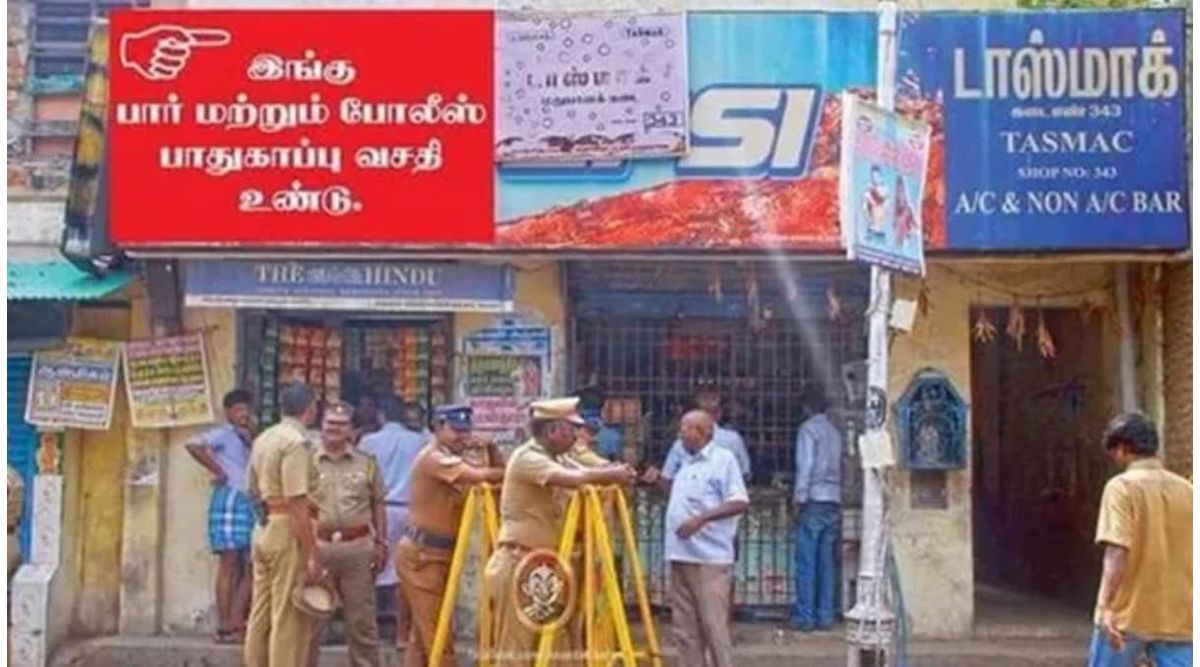
In a bold move to promote Tamil language use in commercial spaces, the Chennai Corporation is gearing up to enforce stricter regulations regarding name boards in the city. This initiative stems from the Tamil Nadu Urban Local Bodies Rules, 2023, which empower the Corporation to suspend or revoke trade licenses for shops that fail to prominently display their names in Tamil. The goal? To create a more culturally resonant urban landscape that reflects the linguistic heritage of the region.
Why is Tamil signage important in public spaces?
As a resident of Chennai, I can attest to the vibrant spirit of our city, where the streets are alive with local culture. Yet, as I stroll through various neighborhoods, I often notice a mix of languages on storefronts. While it’s essential to cater to diverse populations, the prominence of Tamil should not be overlooked. According to reports, the Greater Chennai Corporation (GCC) issues around 70,000 trade licenses each year, and a condition for these licenses is the display of Tamil name boards in a specified ratio to other languages. This week, the GCC will intensify checks to ensure compliance with these regulations, reinforcing the idea that language is not just a means of communication but an integral part of our identity.
Regulatory Measures and Consequences
If a shop is found to be in violation of these signage rules, the GCC will issue a written notice to the licensee, outlining the reasons for potential license suspension or revocation. The shop owners will then have seven days to respond. This process not only emphasizes accountability but also encourages dialogue between the Corporation and business owners about the importance of local language in branding. The ability for suspended licenses to be reinstated upon compliance also reflects a fair approach, allowing businesses to adapt rather than lose their licenses outright.
Beyond Shops: Promoting Tamil in Apartment Names
Interestingly, the push for Tamil signage doesn’t stop at retail spaces. The state government is also encouraging the use of Tamil in naming residential apartments and commercial complexes throughout Chennai and other major cities like Coimbatore and Trichy. This broader initiative is a testament to the government’s commitment to revitalizing the Tamil language in all facets of urban life. Councillors, including S. Jeevan from Ward 35, have voiced concerns about the lack of Tamil in the Central Business District, showcasing a growing awareness and desire for linguistic representation.
Real-World Examples and Community Engagement
Real-world examples abound. Take for instance the thriving local markets in Chennai, where shop owners have embraced Tamil signage not just to comply with regulations but also to connect with their customers on a deeper level. It fosters a sense of belonging and community, reminding us of our roots. Moreover, businesses that adopt this practice often find that it enhances their brand image, attracting customers who value local culture and authenticity.
What This Means for Traders and the Community
For shop owners, this initiative may initially seem burdensome. However, it also presents a unique opportunity. By aligning their branding with local culture, they can cultivate loyalty among customers who appreciate their commitment to Tamil. It’s not just about compliance; it’s about embracing an identity that resonates with many.
In conclusion, as Chennai moves forward with this initiative to promote Tamil signage, it is a step toward cultural preservation and community engagement. By fostering a linguistic environment that respects and celebrates our heritage, we not only comply with regulations but also enrich the very fabric of our city. It’s an exciting time for Chennai, and as we adapt to these changes, we can look forward to a city that proudly showcases its unique identity through the language that connects us all.