

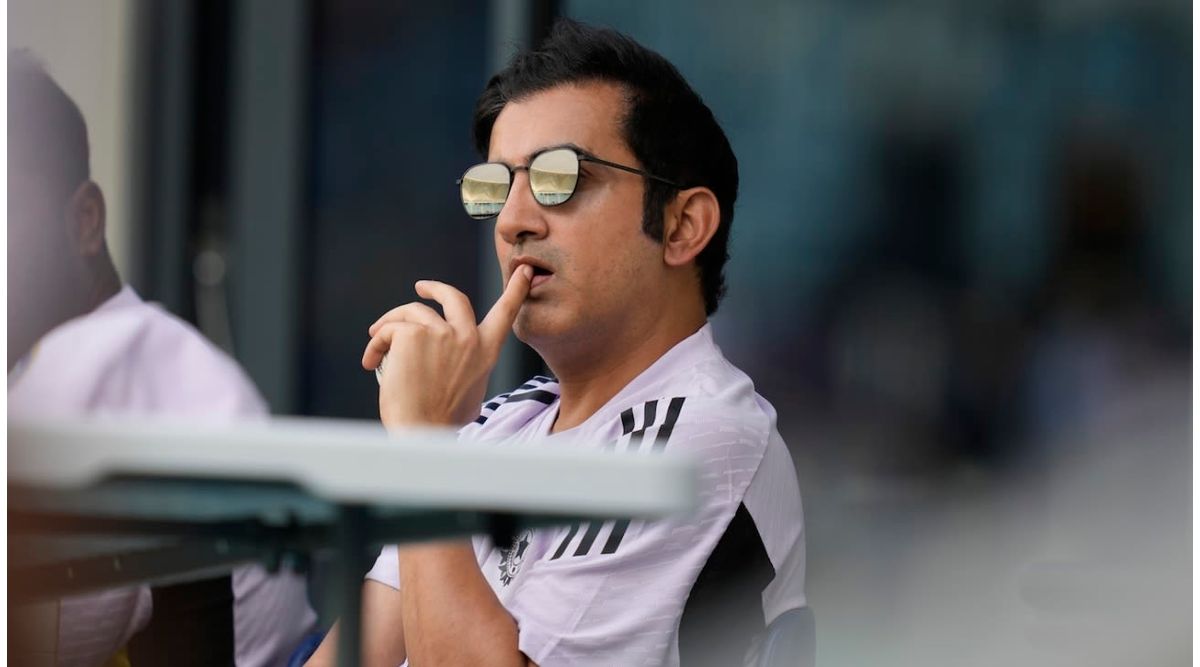
In the world of cricket, few topics ignite debate like the influence of the Board of Control for Cricket in India (BCCI) on the International Cricket Council (ICC). This relationship has been scrutinized recently, particularly after India’s remarkable performance in the Champions Trophy 2025, where they played all their matches at a neutral venue in Dubai. This decision raised eyebrows and sparked discussions about the fairness of such arrangements.
How has BCCI influenced ICC’s decision on the Champions Trophy 2025?
The ICC’s decision to allow India to play all their games in Dubai, instead of Pakistan, was seen by many as a concession to the power of the BCCI. Andy Roberts, a former cricketer, voiced concerns about the implications of this favoritism. “To me, the ICC stands for the Indian Cricket Board. India dictates everything,” he stated, highlighting the feeling among some that the ICC bends its rules to accommodate India’s preferences. The hybrid model for the tournament, where India played all matches at a single venue, raised questions about competitive integrity.
Was It an Unfair Advantage?
The debate didn’t stop there. Many experts and fans argued that India gained an unfair advantage by not having to travel during the tournament. However, Pakistan cricket legend Wasim Akram countered this narrative by asserting that the Indian team would have triumphed regardless of the venue. He pointed to their flawless record in both the T20 World Cup 2024 and the Champions Trophy 2025, underscoring the depth of talent within the team. “This Indian team would have won it anywhere in the world,” he affirmed, reinforcing the notion that India’s success was due to their capabilities rather than the conditions.
BCCI’s Influence on Global Cricket Policies
The BCCI’s financial power has been a game-changer for cricket, leading to a scenario where other cricket boards may feel overshadowed. Many fans wonder if this influence compromises the spirit of the game. Roberts suggests that the ICC needs to put its foot down and sometimes refuse requests from the BCCI, pointing out that India shouldn’t always get its way. His comments reflect a growing sentiment that cricket should maintain a level playing field, where no board has undue advantage.
The Political Landscape of Cricket
As the cricketing world evolves, the balance of power remains a hot topic. With the ICC often seen as pandering to the financial clout of the BCCI, the question arises: how can cricket maintain fairness? While the BCCI’s role is pivotal in growing the game and attracting viewership, the integrity of cricket must be preserved. A delicate balance is crucial to ensuring that all nations can compete fairly.
Conclusion: Moving Forward
The ongoing dialogue about the influence of the BCCI on the ICC is crucial for the future of cricket. As fans, players, and administrators engage in this discussion, it’s essential to remember that the heart of cricket lies in competition, sportsmanship, and fair play. It is my hope that the ICC will take a stand to ensure that every board, regardless of financial strength, receives an equal opportunity in the sport. Only time will tell how this dynamic will evolve, but one thing is clear: the conversation about power and influence in cricket is far from over.