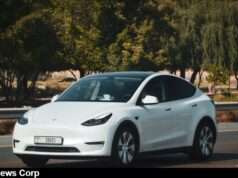

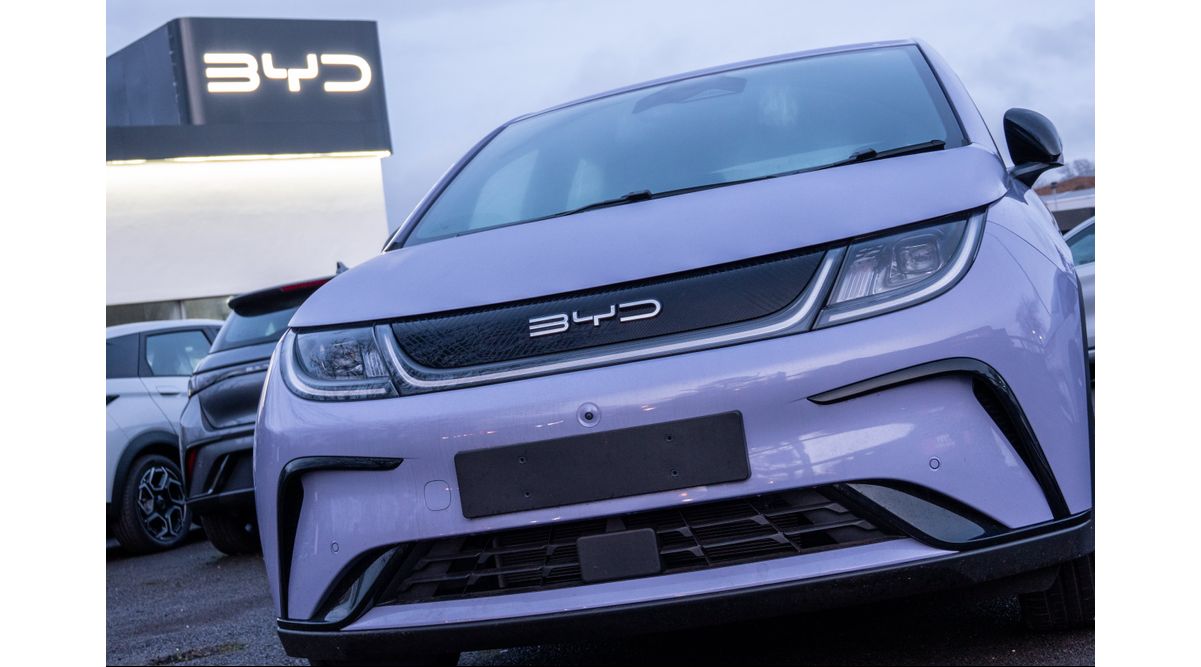
In a groundbreaking announcement, BYD, China’s leading electric vehicle (EV) manufacturer, has unveiled its innovative ‘Super e-Platform,’ which promises to revolutionize the way we charge our electric cars. With charging speeds reaching an astonishing 1,000 kilowatts (kW), this new technology is capable of providing 400 kilometers (about 249 miles) of range in just five minutes of charging. This dramatic improvement is significant, especially when compared to Tesla’s current supercharging capabilities, which max out at around 500 kW. The implications for the EV market are profound, as charging anxiety has long been a barrier to widespread adoption.
How will this new development impact EV owners in terms of charging speed, accessibility, and overall convenience?
As someone who has followed the evolution of electric vehicles, I find this development particularly exciting. Charging anxiety is a real concern for many potential EV buyers—after all, who wants to be stranded with a dead battery? With BYD’s new technology, the time it takes to charge an EV could soon be comparable to refueling a traditional gasoline car. Wang Chuanfu, BYD’s founder, emphasized this point during the launch, stating that their goal is to eliminate users’ charging anxiety entirely.
Building a Charging Network
BYD is not just stopping at the technology; they are also committing to building a robust charging infrastructure across China. The company plans to install more than 4,000 ultra-fast charging stations to support this new platform. Although BYD has not disclosed the exact investment figures or timelines for this initiative, the ambitious plan marks a decisive step in addressing one of the key challenges facing the EV market today.
A Competitive Landscape
This announcement comes at a time when Tesla is experiencing its own set of challenges. With stock prices fluctuating and competition intensifying from companies like BYD, Tesla’s traditional stronghold in the EV market is being threatened. Just last week, Tesla’s shares dropped significantly, and analysts are increasingly questioning the company’s ability to maintain its market dominance against more affordable and technologically advanced competitors.
Real-World Impact
The introduction of the Super e-Platform has the potential to change consumer behavior when it comes to charging. Michael Dunne, founder of Dunne Insights, pointed out that most EV owners do not charge their vehicles from empty to full. Instead, they typically top off their batteries when convenient, much like charging a smartphone. If a five-minute charge can become the norm, it could redefine how we think about electric vehicle usage.
Looking Forward
As we look ahead, the EV landscape is poised for significant transformation. The advancements made by BYD will likely push other manufacturers to innovate and improve their own charging systems and infrastructure. Not only is this good news for consumers seeking convenience, but it also signals a broader shift toward sustainable transportation solutions. With more players entering the EV market and pushing the boundaries of technology, the future of driving is electric, and it appears that the speed of change is accelerating rapidly.