

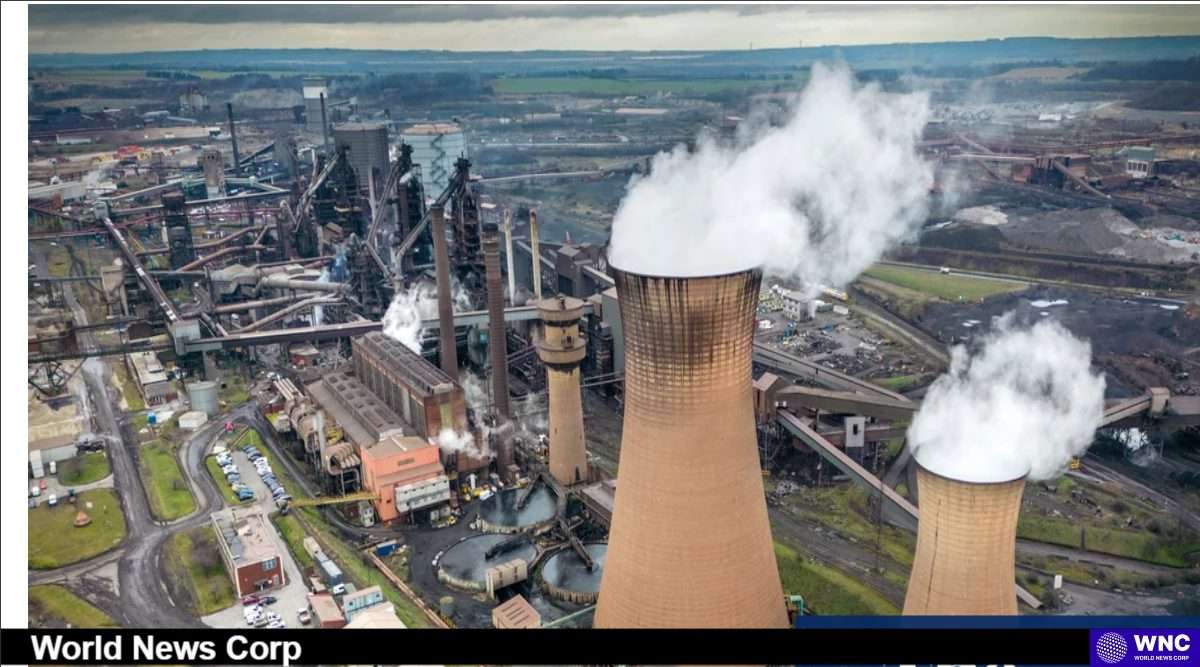
In a significant turn of events, the future of British Steel’s Scunthorpe plant is under intense scrutiny as the UK government gears up to take decisive action. Prime Minister Keir Starmer has announced plans to recall Parliament to debate emergency legislation that could lead to nationalisation of the plant, which is currently owned by the Chinese company Jingye. With the plant employing 2,700 people and facing financial turmoil, the stakes couldn’t be higher for local workers and the broader UK steel industry.
How are Jingye’s losses affecting British Steel’s operations and workforce in the UK?
Jingye has been grappling with staggering financial losses, reportedly losing around £700,000 daily. This situation has left the government frustrated, as officials express concerns over Jingye’s management of the Scunthorpe site. The urgency of the situation is palpable. In conversations with local workers, the sentiment is one of anxiety tempered with cautious optimism. For instance, Steve, a six-year employee at the plant, remarked, “It’s brilliant news that the prime minister is considering nationalising British Steel. It’s a relief for me and my family.” His thoughts reflect a wider community sentiment that hopes for a more secure future under potential public ownership.
The Nationalisation Debate
The question of nationalisation has become a hot topic among various political factions. Conservative leader Kemi Badenoch has been vocal about her criticism of the Labour government, accusing them of poor negotiations with Jingye. On the other hand, Labour advocates, including the union leaders, argue that nationalisation may be the only viable option to safeguard jobs and maintain the UK’s steel-making capabilities. Sharon Graham, head of the trade union Unite, emphasized that nationalisation is a necessary step to prevent further job losses and to ensure that the Scunthorpe plant can modernize and thrive in a competitive market.
A Historic Parliamentary Recall
The recall of Parliament is not just a procedural move; it represents a critical juncture for the UK’s steel industry. The last time Parliament was recalled during recess was in 2021, showcasing the gravity of the current situation. MPs will debate a Steel Industry (Special Measures) Bill aimed at granting the government powers to direct operations at the Scunthorpe plant. This bill could potentially pave the way for a new era of public ownership, a move that could fundamentally alter the landscape of the UK steel industry.
The Bigger Picture: Global Steel Dynamics
While the immediate focus is on British Steel, the situation also reflects broader trends within the global steel market. The UK steel sector has been under pressure from cheaper imports, particularly from China. As Business Secretary Jonathan Reynolds pointed out, the domestic steel industry is already much smaller compared to those in other economies. Therefore, the government’s plan to nationalize British Steel is not merely about saving jobs; it’s about fortifying the UK’s position in a global market where steel production is increasingly competitive and environmentally sensitive.
A Call to Action
Looking ahead, it’s crucial for both the government and Jingye to engage in transparent negotiations that prioritize job security and sustainable production practices. As the situation develops, workers, unions, and industry leaders will be watching closely to see how the government balances immediate needs with long-term strategies for a resilient steel industry. The implications of these decisions will resonate far beyond the borders of Scunthorpe, impacting the UK’s economic landscape for generations to come.