Introduction
The willingness of Hamas to hold dialogue with the United States has been one of the recent shifts in the Israeli-Palestinian conflict. In the context of a war-torn Gaza Strip and shifting political dynamics, it seems both parties have realized that communication is a necessity. This blog post discusses the implications of this dialogue, the prospects for peace, and the hurdles that lie ahead.
Background US-Hamas Relations
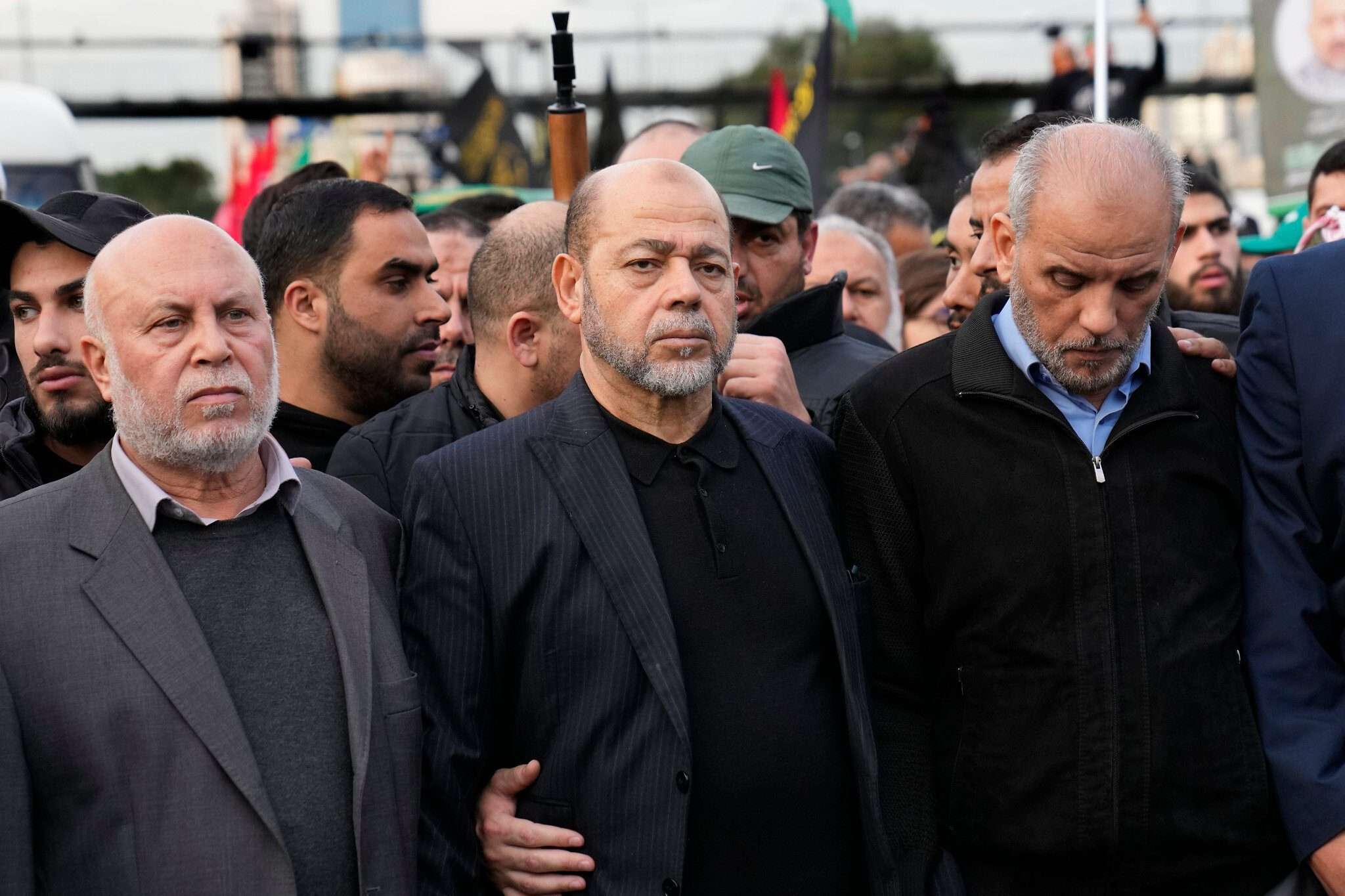
Though hardly a smooth ride, it has been significant that, from historical perspectives, US-Hamas relations have been contaminated with tensions. Many, especially in the West, regard Hamas as a terror organization, even though it plays an important role among the Palestinians in terms of political influence. The latest statements from leading Hamas figure Mousa Abu Marzouk suggest an openness to talking to Trump, a strategy that is pragmatic in dealing with even a rapidly changing geo-political map. This shift could serve as a litmus test for future diplomatic relations in the region.
Understanding the Stakes
The stakes are incredibly high for both parties. For Hamas, engaging with the US could facilitate international recognition and aid, especially vital for a region struggling with humanitarian crises. By contrast, the United States has traditionally wished for peace in the Middle East, and facilitating dialogue with Hamas could prove an important stepping stone to avoiding the further continuation of conflict, where issues will find resolution without violent outburst.
Opportunity for dialogue also occurs at a point in which each side could feel a new urge to progress from military-centric ways.
Comprehensive Peace Strategy Required
Although the chances that US-Hamas dialogue may occur look very promising, a full-fledged peace strategy should accompany it. Examples from history, such as the Oslo Process, indicate that dialogue without actionable plans can lead to disillusionment. The following are some of the major conditions that should be achieved in a successful negotiation process: cessation of hostilities, mutual recognition, and a commitment to a two-state solution. Both Hamas and the US must put aside their misconceptions and begin meaningful discussions that could lead to long-term peace.
Challenges Ahead
One of the main issues in this conversation is the chasm of mistrust. Many Israelis see Hamas as a terrorist organization that has no real interest in peace. Conversely, Palestinians tend to view the US as being complicit in Israeli military operations. This perception will have to be overcome on both sides through concrete actions that build trust. External actors, such as Israel, may also be opposed to this dialogue for fear that it could undermine their strategic interests.
The real-world implications of US-Hamas dialogue transcend the immediate actors involved. The regional players in the game- Iran and Saudi Arabia- are also watching. The successful completion of the dialogue would mean changes in alliances, as well as shifts in power in the region. Discussions around governance and humanitarian aid could provide immediate relief to the beleaguered population of Gaza, creating a hope and stability that has been sorely lacking for far too long.
Conclusion
The world is closely watching the dynamic unfolding between the US and Hamas, making it important to note the potential for peace this dialogue creates in the region. Challenges abound, but willingness to communicate is what matters first. Understanding, compromise, and a collective will to end all forms of violence make peace an approach that’s achievable for the parties involved by turning coexistence into a reality, not just a fantasy.
Final Thoughts
In the very complex Middle Eastern politics, this US-Hamas dialogue may prove to be the catalyst for change or just another chapter of disappointment. It all depends on how both sides will seize this moment and strive for a lasting peace that benefits not just their interests but the hopes and aspirations of millions seeking a life free from conflict.