

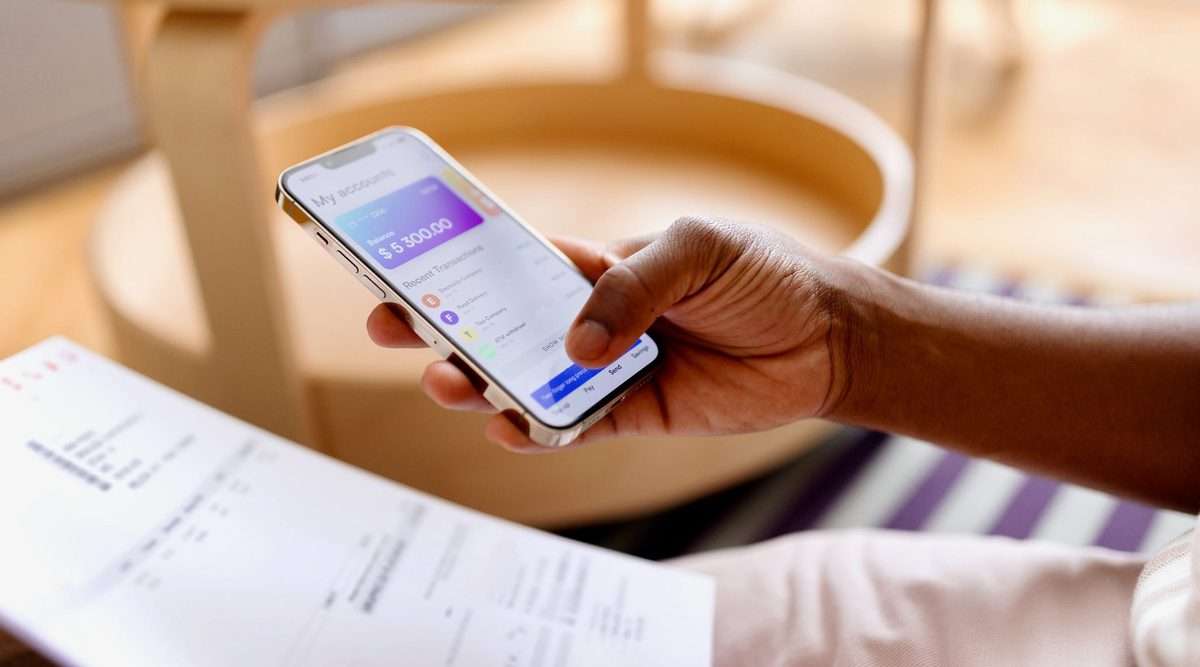
In today's fast-paced world, the way we transfer money has undergone a significant transformation. Gone are the days when sending cash required a trip to the bank or the post office. Now, with just a few taps on our smartphones, we can send money to friends, family, or even businesses across the globe. Isn't it fascinating how technology has simplified this process?
I remember the first time I used a money transfer app; it felt like magic! One of the most notable advancements in this space is the surge in peer-to-peer (P2P) payment platforms like Venmo, PayPal, and Cash App. These services allow users to send money instantly, making splitting bills or paying for services incredibly convenient.
But it’s not just about convenience. Security has become a top priority for these platforms. Many now use advanced encryption and biometric authentication to ensure that our hard-earned money remains safe from fraudsters. Additionally, the rise of cryptocurrencies is further reshaping money transfers, creating a decentralized alternative that many are exploring.
However, challenges remain. Fees associated with international transfers can still be high, and not everyone has access to the technology needed for these services. Financial institutions are now in a race to innovate, with traditional banks developing their own apps to compete with these agile fintech companies.
As someone who frequently travels, I appreciate how quickly I can send money back home or pay for services abroad without worrying about currency exchange rates or hefty bank fees. It’s clear that the future of money transfer is bright, but I’m curious to see how it will evolve further in the coming years.