
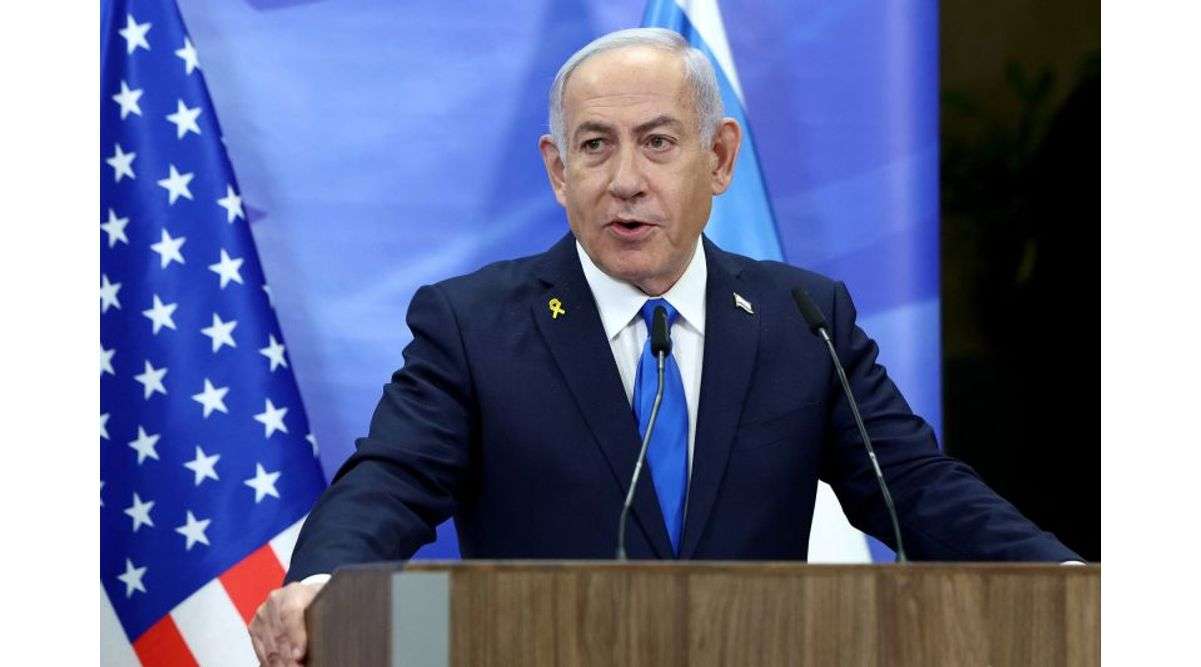
As I sit down to write about Benjamin Netanyahu today, it's hard to ignore the whirlwind of events surrounding Israel's Prime Minister. Just recently, Netanyahu faced significant political pressure following a contentious judicial reform plan that has sparked nationwide protests. Many Israelis are concerned that these reforms threaten the independence of the judicial system, and as a result, they have taken to the streets to voice their discontent.
I remember when Netanyahu first took office back in 2009; his leadership style and policies have always been a topic of heated debate. Now, as he tries to maintain his grip on power, the stakes seem higher than ever. Opposition leaders are seizing the moment, calling for his resignation, and public sentiment is shifting.
What’s intriguing is how Netanyahu, a seasoned politician, is navigating this crisis. He’s made some public appeals, insisting that the reforms are necessary for Israel’s security and economic stability. However, critics argue that he’s prioritizing his political survival over the democratic values that many Israelis hold dear.
With the Knesset (Israel's parliament) set to discuss the reforms again soon, it’s unclear how this will play out. Will Netanyahu manage to quell the unrest, or will he find himself facing even more severe backlash? As someone who has followed Israeli politics for years, I can tell you that this is a pivotal moment that may reshape the future of governance in Israel.
For those of us watching from afar, the coming weeks will be critical. Netanyahu’s ability to lead through such tumult not only affects his legacy but also the political landscape of the region. It’s a story that’s far from over, and I will be keeping a close eye on developments as they unfold.