

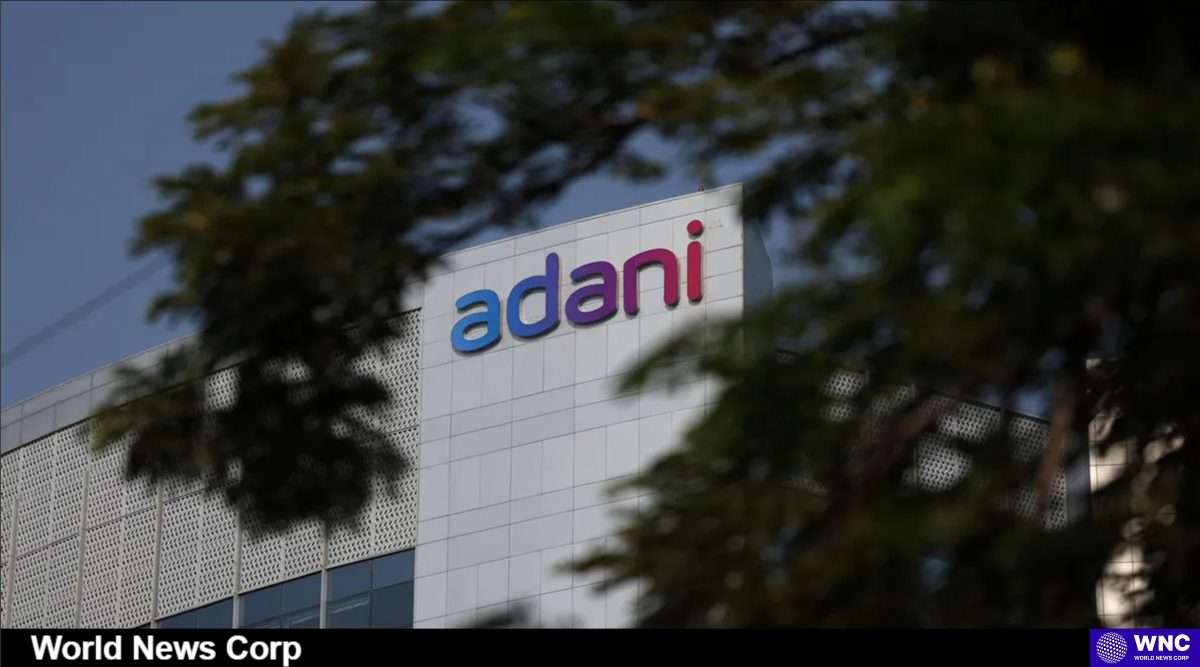
Smart metering technology is revolutionizing the way we consume and distribute electricity. As we move towards a more digitized world, the ability to monitor energy usage in real-time has never been more crucial. Adani Energy Solutions Ltd (AESL) is at the forefront of this transition in India, holding a significant market share in smart metering. With 23 million meters already in circulation, AESL is expected to see its earnings before interest, depreciation, and amortization (Ebitda) soar as they expand their operations.
How Will Smart Meters Affect You?
According to recent reports, rating agencies, including Fitch, highlight that AESL’s smart metering segment could contribute over 25% to Ebitda by FY26. This is significant considering it was virtually non-existent just a year ago. The smart meters enable AESL to predict power consumption patterns, allowing them to manage retail distribution more effectively. As a result, AESL is well-positioned to capitalize on the growing demand for smart technology in energy management.
The Government’s Ambitious Target
The Indian government has set an ambitious goal of installing 250 million smart meters by 2030. However, as of January 2025, only about 20 million have been installed. Care Edge Ratings predicts that by March 2026, installations will only reach 25% of this target. This shortfall presents both a challenge and an opportunity for companies like AESL and Tata Power, who are actively working to enhance their smart metering initiatives.
Investment and Revenue Potential
Investment in smart metering is not trivial. It requires an estimated Rs 1.25 lakh crore, with Rs 95,000 crore needed as debt and the remaining 25% as equity. Yet, the potential returns are substantial. Each smart meter installed can generate revenue of approximately Rs 12,000 over its operational lifespan. With an Ebitda margin projected at 85% for this segment, the financial incentives are clear.
Real-World Examples: Success Stories
Take, for example, the recent collaboration between Tata Power Delhi Distribution and Probus Smart Things, which aims to enhance smart metering technology. This partnership is a testament to the industry’s shift towards innovative solutions. Such initiatives not only improve operational efficiency but also help in better revenue recovery for power distribution companies, which could generate an additional Rs 4 lakh crore in revenue over the next seven years.
Conclusion: The Future of Power Distribution
As we look to the future, the smart metering landscape in India is poised for significant growth. With AESL leading the charge, the installation of smart meters promises to optimize energy consumption and enhance cash flow for power distribution companies. The road to achieving the government’s targets may be challenging, but the benefits of smart metering technology are undeniable, making it an exciting area to watch in the coming years.