

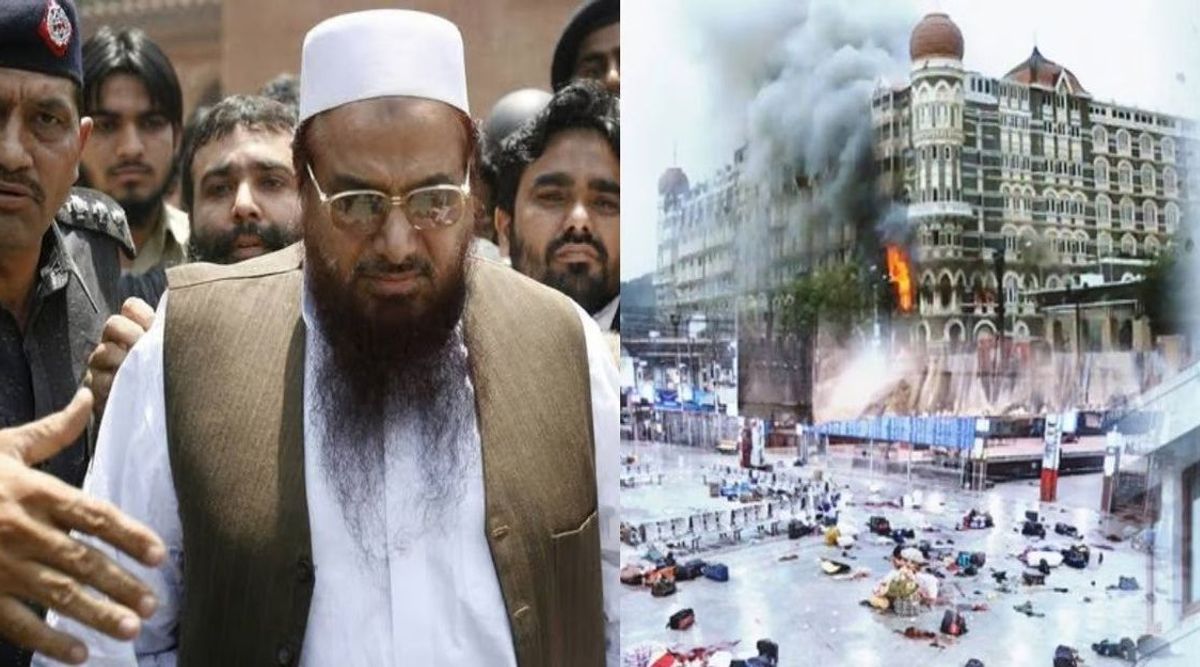
Abu Qatal, a prominent figure in the terrorist organization Lashkar-e-Taiba (LeT), was recently killed in Pakistan, a development that has sent shockwaves through the region. His death, attributed to a targeted shooting, raises several critical questions regarding the ongoing fight against terrorism and the intricate web of intelligence operations at play. This blog aims to unpack the implications of Qatal’s assassination, explore the patterns of targeted killings in Pakistan, and discuss the potential repercussions for regional security.
Who was Abu Qatal, and what is his historical significance?
Abu Qatal, whose real name was Zia ur Rehman, was not just any militant. He was a key operational commander for LeT and closely associated with Hafiz Saeed, the mastermind behind the infamous 26/11 Mumbai attacks. His direct involvement in orchestrating violence in Jammu and Kashmir, including a recent attack that resulted in civilian casualties, made him a high-value target for multiple security agencies. With the National Investigation Agency (NIA) charging him in connection with several terror incidents, including the tragic Rajouri attack, Qatal’s role in promoting terrorism in the region was significant.
The Circumstances Surrounding His Death
On Saturday night, Abu Qatal was shot dead while traveling on Mangla-Jhelum Road. Reports suggest that an assailant on a motorcycle opened fire on his vehicle, killing him and his guard instantly. While the suspected shooter was apprehended shortly after, the incident raises concerns about the ongoing campaign of targeted killings in Pakistan. Former police officials have hinted at possible involvement from foreign intelligence agencies, particularly India’s RAW, in orchestrating these assassinations.
The Broader Implications for Regional Security
The assassination of a figure like Abu Qatal is unlikely to go unnoticed. It signals a potential shift in the tactics employed by intelligence agencies in the region. Over the past two years, a pattern has emerged where militants associated with various groups have been systematically targeted and eliminated. This trend not only raises alarms about the effectiveness of local law enforcement but also reflects the complex interplay of international relations and counter-terrorism efforts.
As we delve deeper into these events, it becomes clear that Qatal’s death may have implications beyond his immediate circle. The repercussions could extend to the broader operational capabilities of Lashkar-e-Taiba and its affiliates. They may need to rethink their strategies, as the removal of key leaders can significantly disrupt their activities. Moreover, such targeted killings could lead to retaliatory actions, further destabilizing an already tense region.
What Comes Next?
In the aftermath of Qatal’s death, security agencies in Pakistan have ramped up their operations, increasing patrols and intelligence-gathering efforts in sensitive areas. However, the lack of official confirmation regarding the circumstances of his death means that uncertainty looms large. The Jhelum district police have yet to release a statement, leaving many questions unanswered. As we move forward, it will be crucial for both local and international communities to monitor the situation closely.
In conclusion, the assassination of Abu Qatal is a stark reminder of the ongoing battle against terrorism in South Asia. It highlights the challenges faced by security forces and raises significant questions about the future of militant operations in the region. Will this event mark a turning point in the fight against terrorism, or is it merely another chapter in a long and complicated narrative? Only time will tell.