

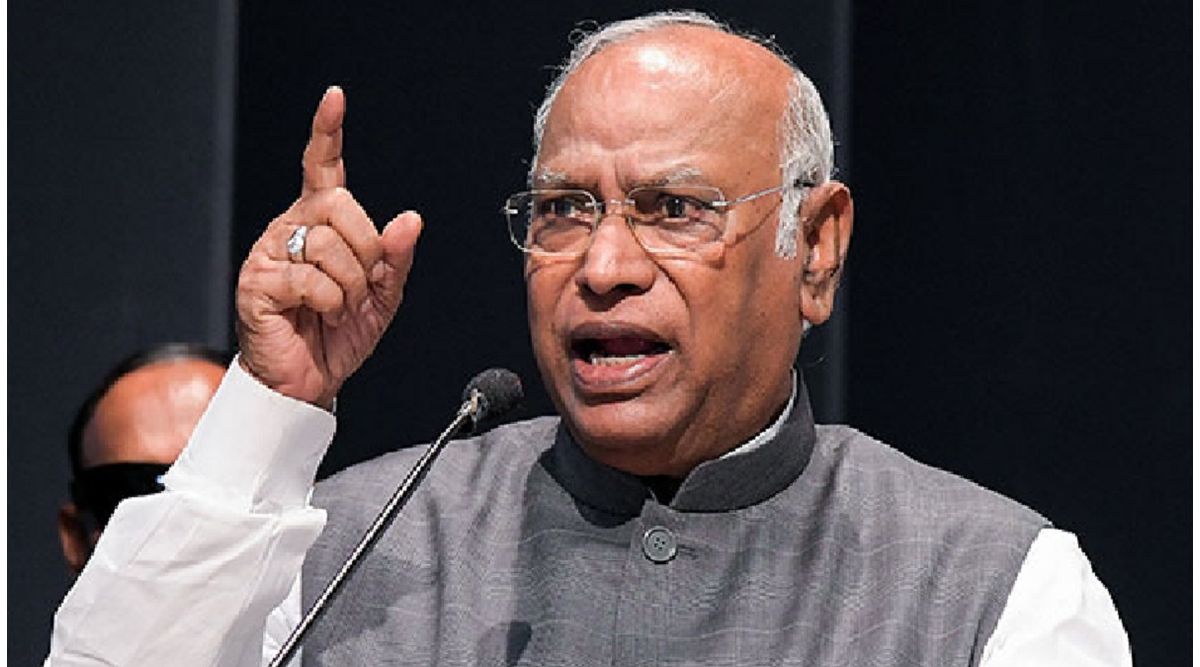
In recent statements, Congress president Mallikarjun Kharge has brought to light the ongoing controversy surrounding the Right to Information (RTI) Act and the Modi government’s push for data protection laws. At a time when misinformation and disinformation are rampant in India, Kharge argues that the government’s actions are detrimental to public transparency. This situation is crucial for citizens who rely on RTI to access vital information, including details about government schemes, beneficiaries, and even the names of those who have fled the country after defaulting on loans.
Why Is RTI Crucial for India’s Democracy?
The RTI Act, implemented by the Congress-led UPA government, was designed to empower citizens and promote transparency in governance. Kharge emphasized that the act is essential for a functioning democracy, allowing the public to hold their government accountable. He stated, “The Congress party will not let RTI weaken. We have raised our voice for it earlier also, and will continue to raise our voice from the streets to the Parliament.”
Data Protection Laws: A Double-Edged Sword?
While data protection is undoubtedly important, Kharge contends that it should not come at the expense of public access to information. The Modi government’s proposed data protection law has raised concerns about its implications for RTI. Kharge argued that the right to privacy, although necessary, should not prevent citizens from accessing information crucial for public welfare. He pointed out that the RTI Act already included provisions for privacy while ensuring that public interest was prioritized.
Misinformation: A Growing Concern
In his address, Kharge highlighted the alarming trend of misinformation and disinformation in India. With the country topping charts in this regard, he urged the need for robust mechanisms to combat false narratives. He asserted that by weakening the RTI Act under the guise of data protection, the government is essentially limiting the tools available to citizens to challenge falsehoods and seek the truth.
Real-World Implications for Citizens
The implications of these developments are significant for ordinary citizens. Access to information regarding public welfare schemes, ration cards, and electoral processes is vital for ensuring that the government is held accountable. Kharge’s remarks underline the need for ongoing vigilance in protecting the RTI Act, especially in light of recent legislative efforts that may undermine it.
Conclusion: A Call to Action
As the political landscape continues to evolve, it is clear that the fight for transparency and accountability is far from over. Kharge’s firm stance serves as a reminder of the importance of citizen engagement in safeguarding democratic rights. For individuals, it is crucial to stay informed and active in the discourse surrounding these issues. The Congress party’s commitment to defending the RTI Act is a call to all citizens to join in this vital fight for transparency and justice.
In conclusion, as we navigate the complexities of governance and information access, the voices of leaders like Mallikarjun Kharge remind us of the crucial role that transparency plays in our democracy.